
Last updated November 25, 2026
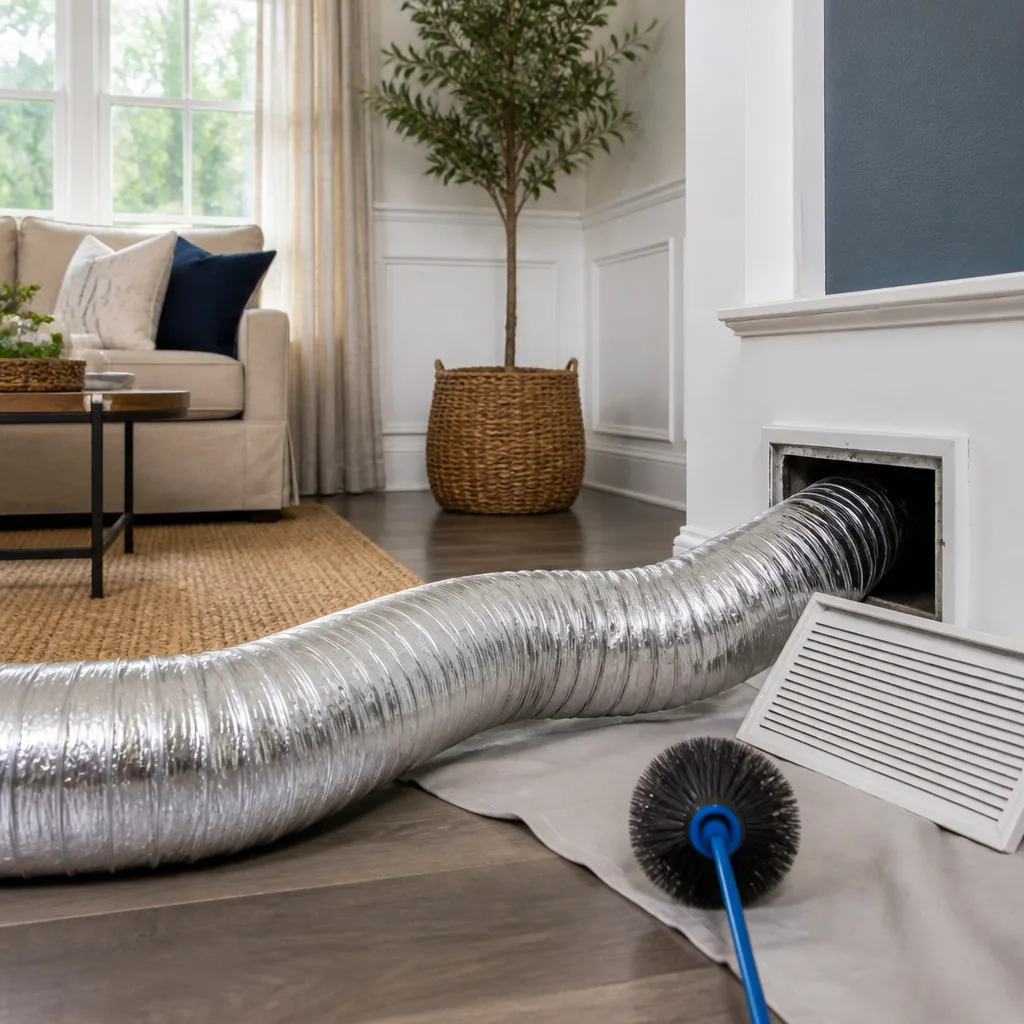 Whole-home duct cleaning
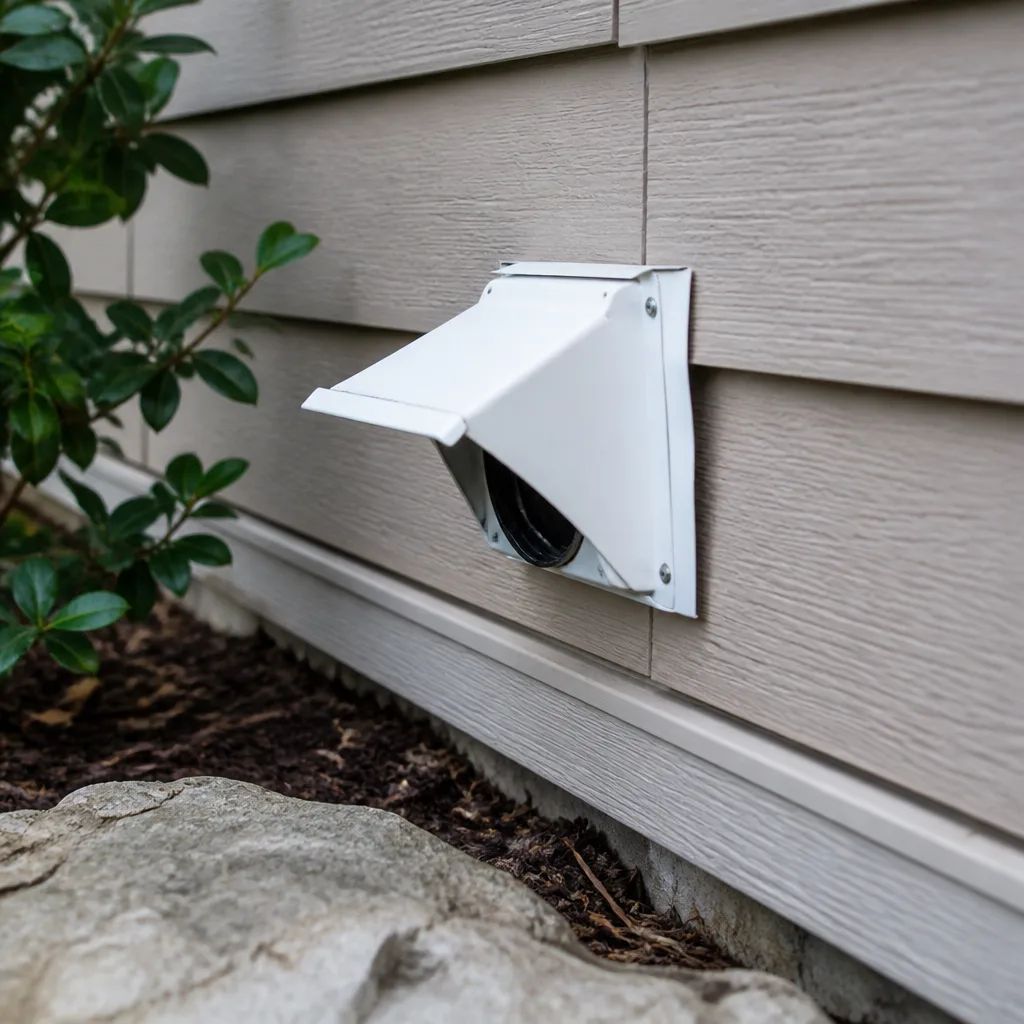 Dryer vent cleaning
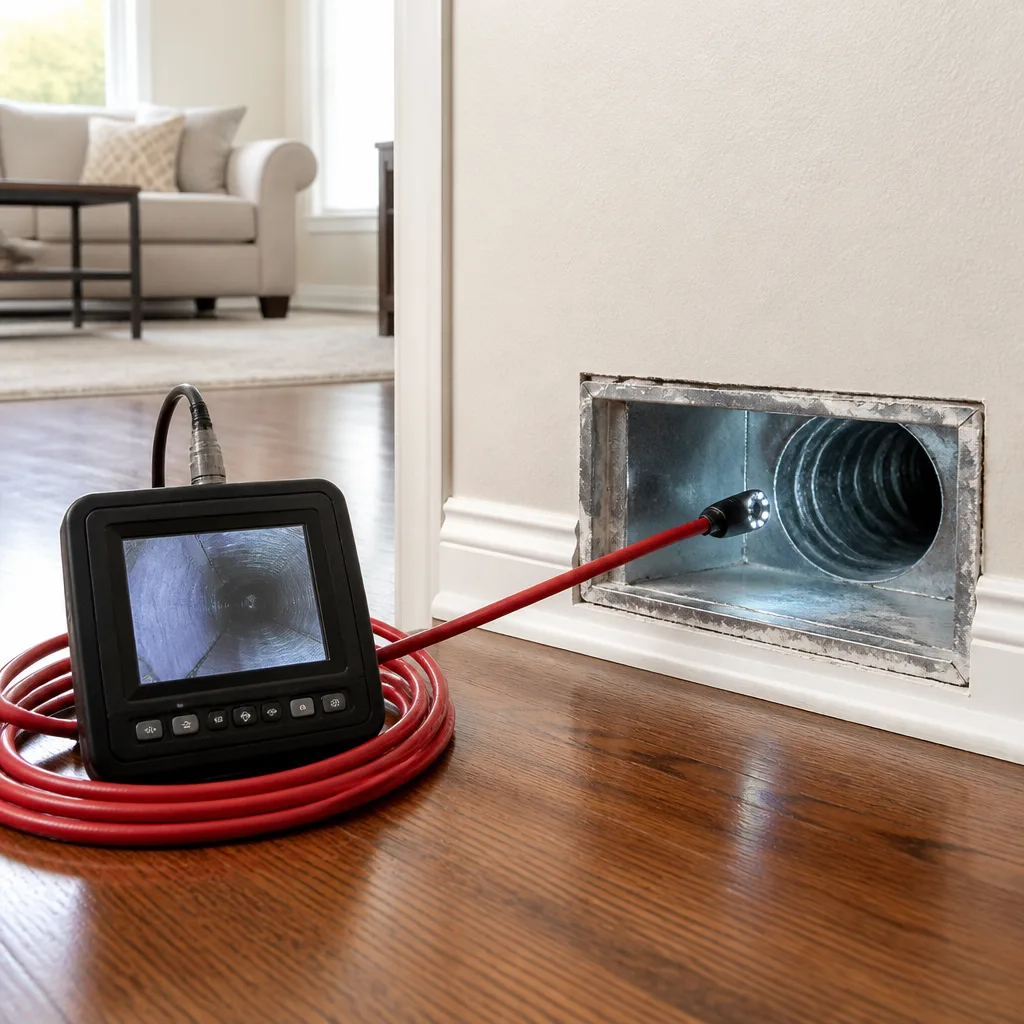 Camera inspection
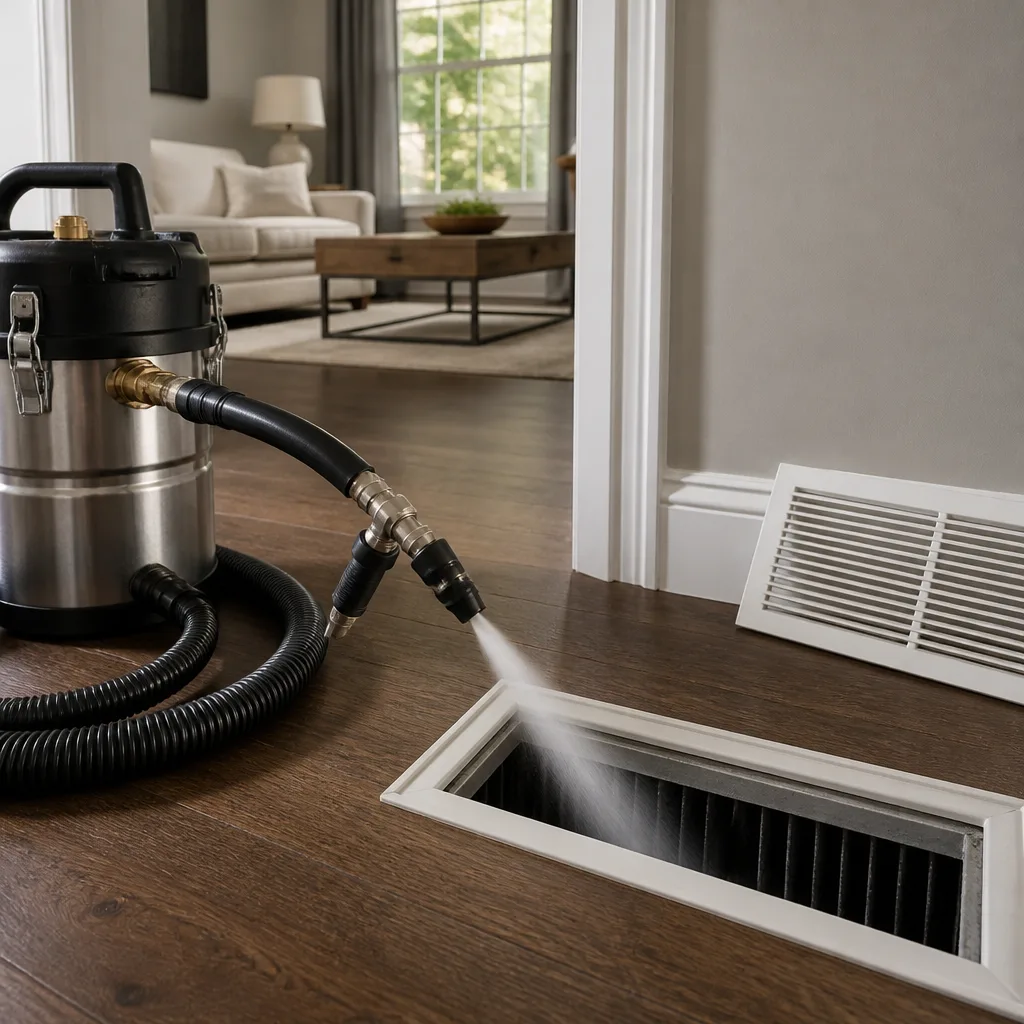 Sanitizing & deodorizing
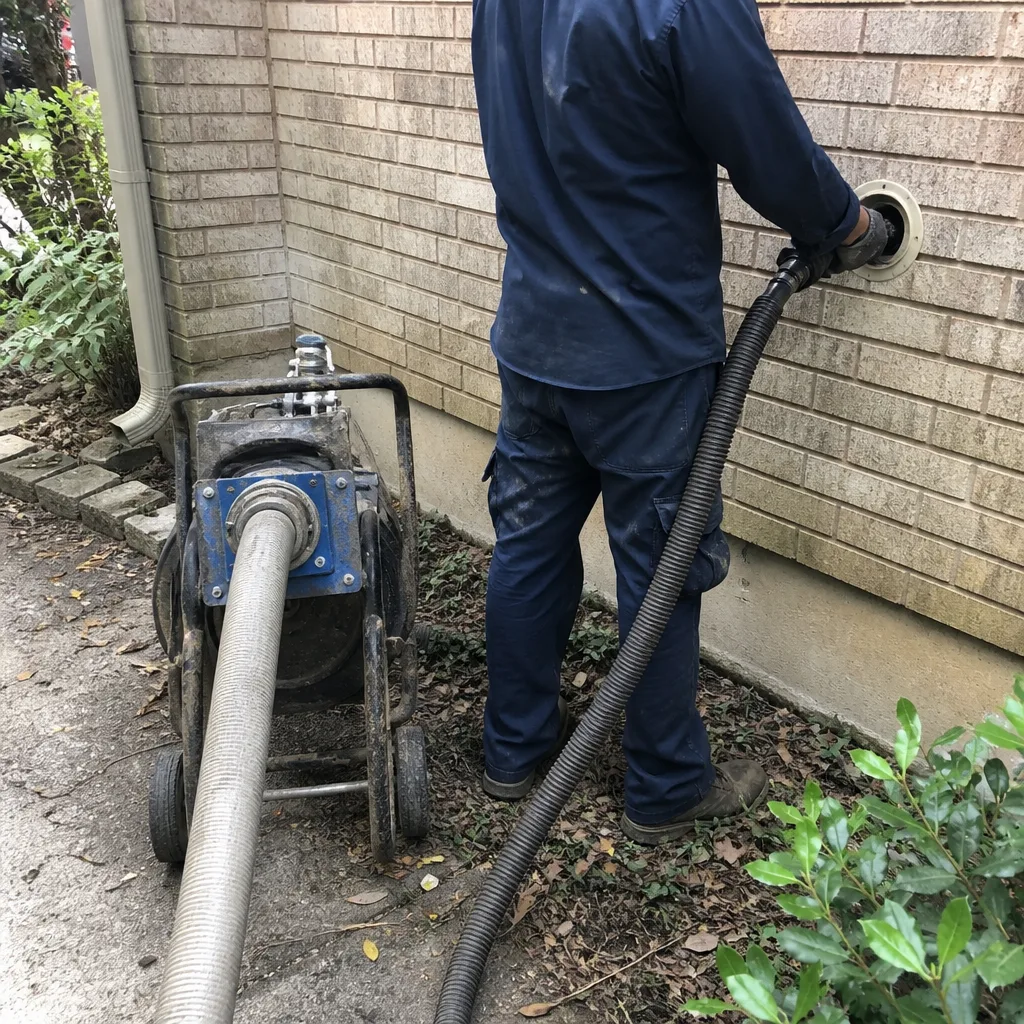
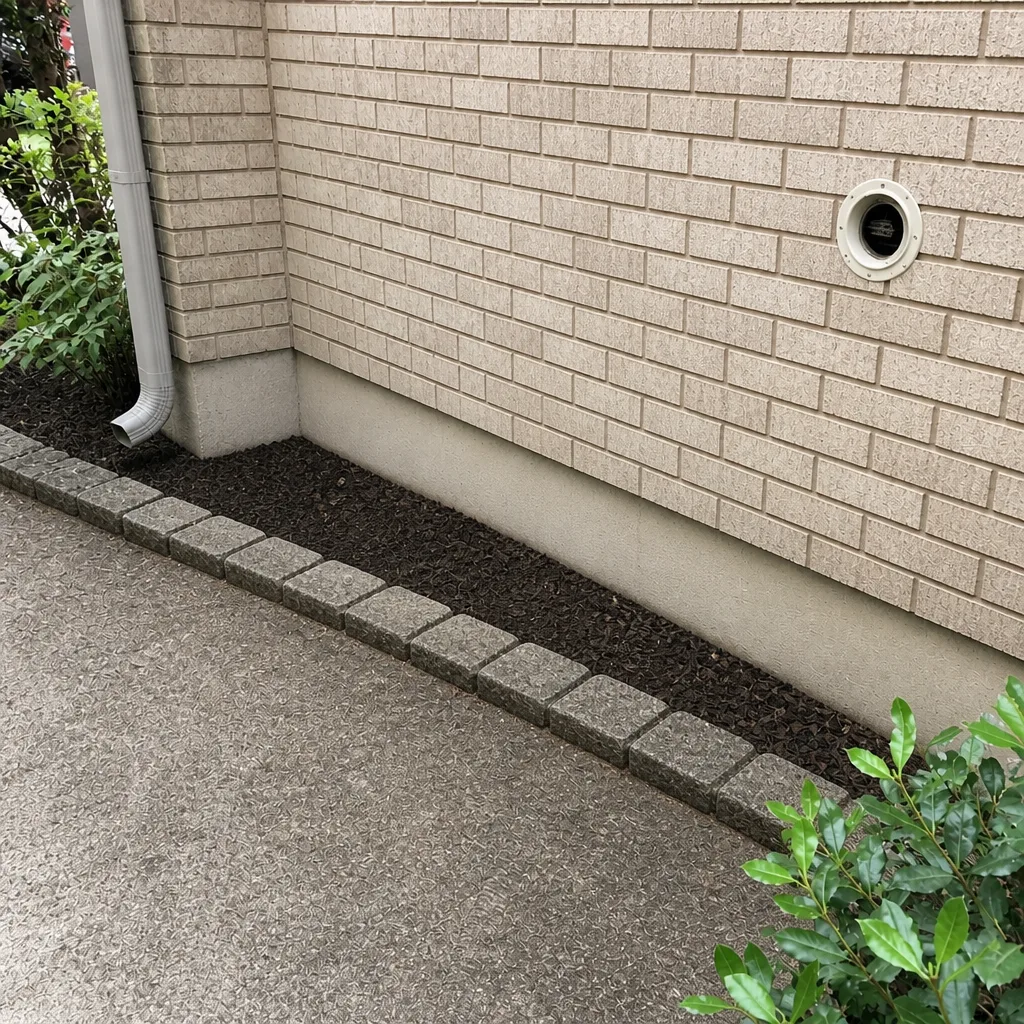
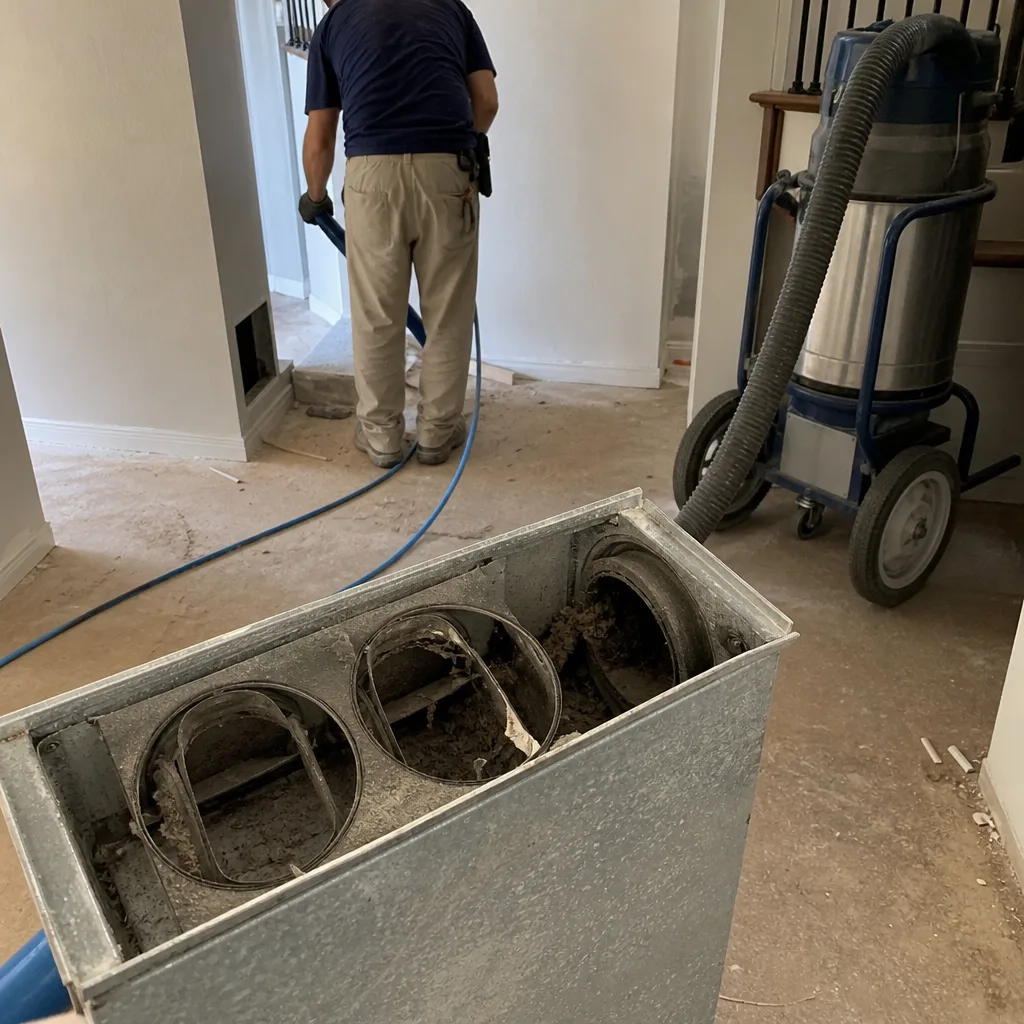
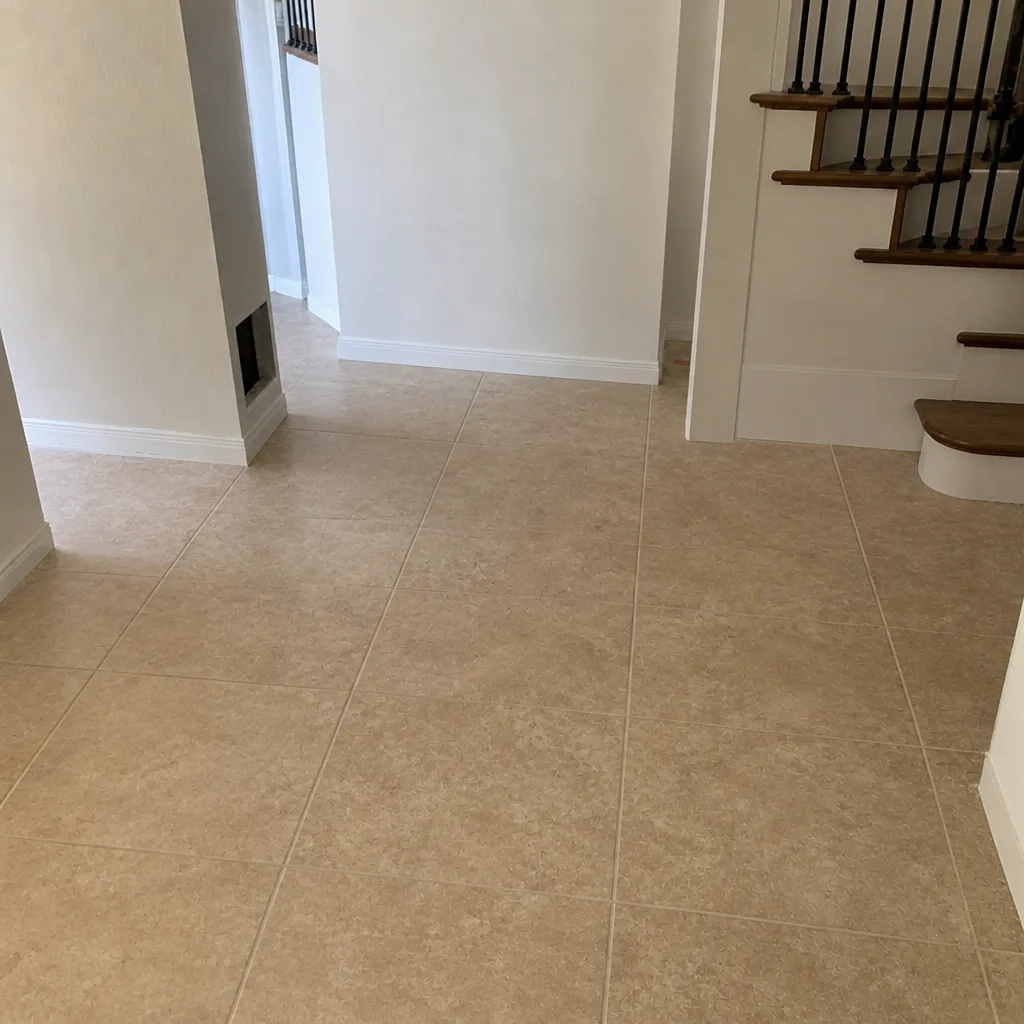
Whole-system duct and dryer vent check with before-and-after photos - you see exactly what came out of your vents
That "$99 whole-house special" is a bait ad - the real number appears once they are in your hallway, or the "clean" is a shop-vac at the register. We photograph the inside of your ducts before and after instead.
Air Duct Cleaning Cost Breakdown: The Spring Branch Homeowner’s Reference for 2026
Most homeowners judge a duct cleaning quote by the bottom line. That’s the wrong number to look at first. The price tells you what someone wants to charge; it doesn’t tell you what equipment shows up, how many runs get cleaned, or whether anyone will prove the work happened. A legitimate quote can be read backwards into a specific machine, a specific scope, and a specific paper trail. A vague one can’t. This guide breaks down what actually drives cost in the Spring Branch market for 2026, from the $99 teaser to the full-system job, so you can compare quotes against real deliverables instead of against each other.
Quick Answer
Air duct cleaning in Spring Branch typically runs about $300 to $500 for a standard single-system home, $500 to $800 for larger homes with two systems or complex layouts, and $1,200 and up for full-system work that includes coil cleaning, sealing, or heavy contamination. Per-vent pricing of $25 to $45 per vent is common in advertised quotes, but it rewards contractors for counting vents, not for cleaning the system. The written estimate sets the final price, and it should always be free.
Styles & brands we work with
- Whole-home duct cleaning
- Dryer vent cleaning
- Camera inspection
- Sanitizing & deodorizing
Table of Contents
- Why cost-per-vent pricing fails homeowners
- What whole-system flat-rate pricing actually covers
- The equipment floor: what it costs to run a real machine
- Legitimate add-ons versus invoice inflators
- How Spring Branch homes change the labor time
- What documentation you should get at each price tier
- How to read two quotes side by side
- Common mistakes to avoid
Why Cost-Per-Vent Pricing Fails Spring Branch Homeowners
In our experience, the per-vent model is the single biggest source of confusion in this trade. It looks fair on the surface. You count the supply registers and return grilles, multiply by a per-vent price, and get a number. What it hides is the actual work: how much of the trunk line gets cleaned, whether the negative-air machine is pulling from the right end of the system, and whether anyone touches the return plenum where the worst buildup collects.
The deeper problem is the incentive. When you bill per vent, the contractor’s revenue goes up with the count and down with the time spent per vent. In a Spring Branch home with twelve supplies and three returns, a fast run with a shop vacuum and a brush takes an hour and looks identical on an invoice to a two-hour job with a Rotobrush rotary brush and a Nikro negative-air setup. Same line item, entirely different outcome.
What you often don’t get in a per-vent quote:
- A stated CFM rating on the negative-air machine. A machine that can’t out-pull the supply running into the room won’t contain dust, it just redistributes it.
- A defined scope for the trunk line, plenum, and return chases, not just the branches feeding each register.
- Any documentation of what came out of the system.
- A written definition of “one vent” that survives the technician arriving on-site.
Per-vent pricing is fine as an internal cost model. It’s a poor consumer-facing one. When a quote lists $29 a vent with a minimum, ask what a “vent” means, ask how the trunk gets cleaned, and ask what happens if the count changes once someone is on the property. A quote that can’t answer all three in writing is a quote that will change on-site.
What Whole-System Flat-Rate Pricing Actually Covers
Flat-rate pricing for a whole system means one agreed price per HVAC system, set before work starts, based on the actual scope of the job. The scope is decided during the initial inspection: number of systems, number of supply and return runs, duct material, layout complexity, and observed contamination level. The technician’s revenue doesn’t rise or fall based on how many vents they count, so there’s no reason to skip the difficult branch or rush the return.
In the Spring Branch market, a straightforward flat-rate job for a single system usually includes:
- Source-removal cleaning of all supply and return branches
- Cleaning of the trunk line and main plenum
- Register and grille cleaning (removed, cleaned, reinstalled)
- Negative-air containment for the duration of the job with a HEPA-filtered machine
- A visible before-and-after record from the duct interior, either photos or a short video
What pushes a flat rate up is real scope, not gatekeeping. Two HVAC systems on one property means two separate cleaning jobs. A sheet-metal trunk with years of settled debris needs more passes than a short flex run. A system with heavy contamination from a renovation or a pest issue needs more time and containment. Those are visible, verifiable reasons for a higher number. A per-vent quote that doubles because your home happens to have more registers isn’t a higher-scope job; it’s just a bigger count.
You should be able to ask one flat price per system and get a straight answer before anyone opens a panel. That’s a service standard, not a discount. It’s also the fastest way to tell a real operator from a coupon-driven one: air duct cleaning quoted as an agreed whole-system price means the work has a defined finish line.
The Equipment Floor: Why Honest Pricing Has a Bottom
Professional duct cleaning isn’t a consumer shop vacuum with a long hose. A legitimate operator in Spring Branch shows up with equipment built for the job, and that equipment has a real cost per job. It’s the part of the price you never see on the invoice, and it’s the fastest way to spot whether the quoted number can support the work.
The three machine families that matter, and what each one is actually doing:
- Rotobrush rotary brush systems – motorized brushes on a flexible shaft that scrub duct walls from the inside. They remove the caked layer on flex and sheet-metal runs; a vacuum alone only lifts loose debris.
- Nikro negative-air machines – high-CFM vacuums that place the duct system under negative pressure for the duration of the job. This is the containment backbone: without it, every brush pass puts dust in the room air.
- Abatement Technologies HEPA vacuums – the same grade of unit used in abatement and remediation work, with HEPA filtration on exhausted air. On jobs with heavier contamination, this is the machine that keeps the room safe to be in.
The cost reality of running this equipment on a single residential job is real: machine purchase and maintenance, filters and brush heads, shaft wear, and the labor time of setup and teardown on either end. A price under $200 for a whole-house job in Spring Branch usually means none of these machines are on the truck. The number isn’t a bargain; it’s a different service wearing a similar name.
When you ask for a quote, ask which machine will be on-site. If the answer is “a machine,” that’s your answer. If the answer names the equipment and its function in the job, the pricing floor makes sense. We bring commercial-grade equipment to residential jobs, and we name it when we quote.
Legitimate Add-Ons Versus Invoice Inflators
An add-on is legitimate when it changes an outcome you can verify. It’s an inflator when it changes the invoice and nothing else. The distinction matters because the pressure to add services usually arrives once the technician is already in the house, when your judgment is at its weakest.
Legitimate add-ons you’ll see on a Spring Branch job:
- Evaporator coil cleaning – a real cleaning task on a real component. The coil sits behind the ductwork in the air handler and collects the same debris the ducts do. Cleaning it is a separate physical job with its own labor, so a separate price is fair.
- dryer vent cleaning – structurally separate from HVAC ductwork and a genuine fire-safety service. Lint buildup in the vent line is its own problem with its own equipment needs.
- Antimicrobial and sanitizing treatment – applied after cleaning, and worth it when there’s a documented reason (musty odor, prior moisture, pest evidence). We apply Guardsman-branded treatments so the product is named and traceable on the invoice, not an unlabeled spray.
- Duct repair and sealing – when inspection finds leaks, breaches, or disconnected joints. This is real scope and it stops the ducts from re-contaminating right after cleaning.
- Filtration upgrades – properly installed Honeywell or Aprilaire filtration and purification products. A filter that doesn’t fit the return properly doesn’t filter; investing in the right product and installing it correctly is different from buying a box off a shelf.
Add-ons that usually inflate without changing the result:
- A signature “deep clean” tier sold at the door with no inspection done first.
- Unnamed antimicrobial fogging applied as a default line item rather than as a response to a documented problem.
- Sealing sold before any breach has been identified.
- Any add-on presented as required when the technician hasn’t yet shown you the reason.
Good practice: ask for add-ons to be quoted in writing before the technician arrives or after the inspection but before any work starts. If the item can’t be described in terms of what changes in your system, it belongs on a different quote.
How Spring Branch Homes Change the Labor Time
Two houses with the same square footage can produce quotes $200 apart for legitimate reasons. The variables that drive labor in Spring Branch are specific and worth knowing before you compare numbers.
House age and duct material. Older construction in this area often runs on rigid sheet metal or fiberboard ductboard, while newer builds lean toward flex duct. Flex is faster to clean and easier to navigate, which tends to lower labor time. Sheet metal with a long trunk and multiple turns is slower, and fiberboard linings need care because aggressive brushing can damage the interior surface. A quote that ignores the material isn’t a complete quote.
Number of systems. One air handler and one condenser is the fast case. Two systems double the cleaning time, the containment setup, and the documentation, and a legitimate quote reflects that.
Layout complexity. Long flex runs through attic space, tight crawl-style returns, and Z-shaped trunk transitions all cost time. A straight-line system with short branches doesn’t. Setup time on a difficult layout can be substantial, and the machine has to stay hooked up for the whole job.
Observed contamination. Recent renovation, a new pet in the home, a musty smell that returns after a few days, or a visible dust plume at the registers all point to heavier debris and a longer job. The right move is to inspect first, then quote against what’s actually visible, not against a default package.
Mild winters, year-round operation. Spring Branch’s climate keeps the HVAC running through most of the year, which means more run hours on the blower and more debris cycling through the system than in colder regions. That’s a reason to inspect on a schedule, not to oversell cleaning. On this geography, the filter change cadence is often the single highest-leverage habit.
What Documentation You Should Get at Each Price Tier
The clearest way to compare two quotes with different prices is to compare what each one produces as evidence. Documentation should scale with the price tier, and it should be included, not sold as a follow-up.
At the entry level ($300 to $500 for a standard single system in Spring Branch), expect:
- A written scope of work stating what gets cleaned and what doesn’t
- Before-and-after photos or short video from inside the ductwork
- A signed invoice confirming the work done and the price agreed
At the mid-tier ($500 to $800, larger homes or two systems), add:
- Photos for each system separately, not just one set for the whole house
- A short written summary noting any leaks, disconnected joints, or damage found
- A recommendation list where a follow-up item (sealing, coil cleaning) has been identified and priced
At the full-system tier ($1,200 and up, including add-ons and heavy contamination), expect:
- Documentation of the scope expansion that justified the price (coil, sealing, sanitation, dryer vent)
- Product names on any treatment applied (for example, Guardsman treatments) and filter or purification brands installed
- A sealing or repair record if any ductwork was modified
- A written report that could be handed to a future technician without explanation
None of these are extras. They are the proof the work happened, and the best time to request them is in writing before the job is scheduled. Ask specifically for before-and-after images of your own ducts. It’s the fastest way to see whether the machine did what the quote promised.
How to Read Two Quotes Side by Side
Take two quotes and line them up on the same six questions. The one that answers all six in writing is the one you can actually compare.
- What’s the pricing model? Per vent, or one flat price per system
- What’s the machine? Named equipment, or just “a vacuum”
- What’s the scope? Branches only, or branches plus trunk, plenum, and returns
- What’s the add-on policy? Priced in advance or surfaced on-site
- What’s the documentation? Photos of your system, or nothing
- What happens if something is found? Sealing and repair handled in-house, or a second appointment with a second contractor
A quote that clears all six is worth paying more for. A quote that clears two is worth reading twice before you sign. And a quote priced below $200 for a whole house should send you back to question one.
If the cleaning inspection turns up leaks or disconnected joints, the fix should be resolvable on the same visit. That’s why in-house duct repair and sealing matter on the quote: cleaning is step one, sealing the leaks is how you keep it clean. And if you’re refreshing the HVAC system at the same time, HVAC cleaning rounds out the same visit.
Common Mistakes to Avoid
- Signing a per-vent quote without asking what the trunk line, plenum, and return chases actually get. Per-vent pricing often stops at the branches, which leaves most of the duct surface untouched.
- Assuming a low advertised number is a discount. A $99 headline in Spring Branch usually can’t pay for a Rotobrush system and a Nikro or Abatement Technologies machine on the same job.
- Skipping the machine question. If nobody will name the equipment that’s coming, nobody has committed to the containment standard the price is supposed to buy.
- Accepting add-ons without an inspection. Coil cleaning, sanitizing, and sealing are legitimate; they should be tied to something the technician has shown you, not to a package price at the door.
- Ignoring the dryer vent. It’s a fire-safety system that lives in the same neighborhood as your ductwork and routinely gets skipped because it’s not “HVAC.”
- Taking a verbal “we cleaned it” as proof. Ask for before-and-after images from inside your own ducts, not from a brochure.
- Assuming the ducts are fine because nothing smells. Musty returns and visible register dust are late signals; scheduling inspection after long gaps is cheaper than cleaning after heavy contamination.
See the difference
 Before
 After
 Before
 After
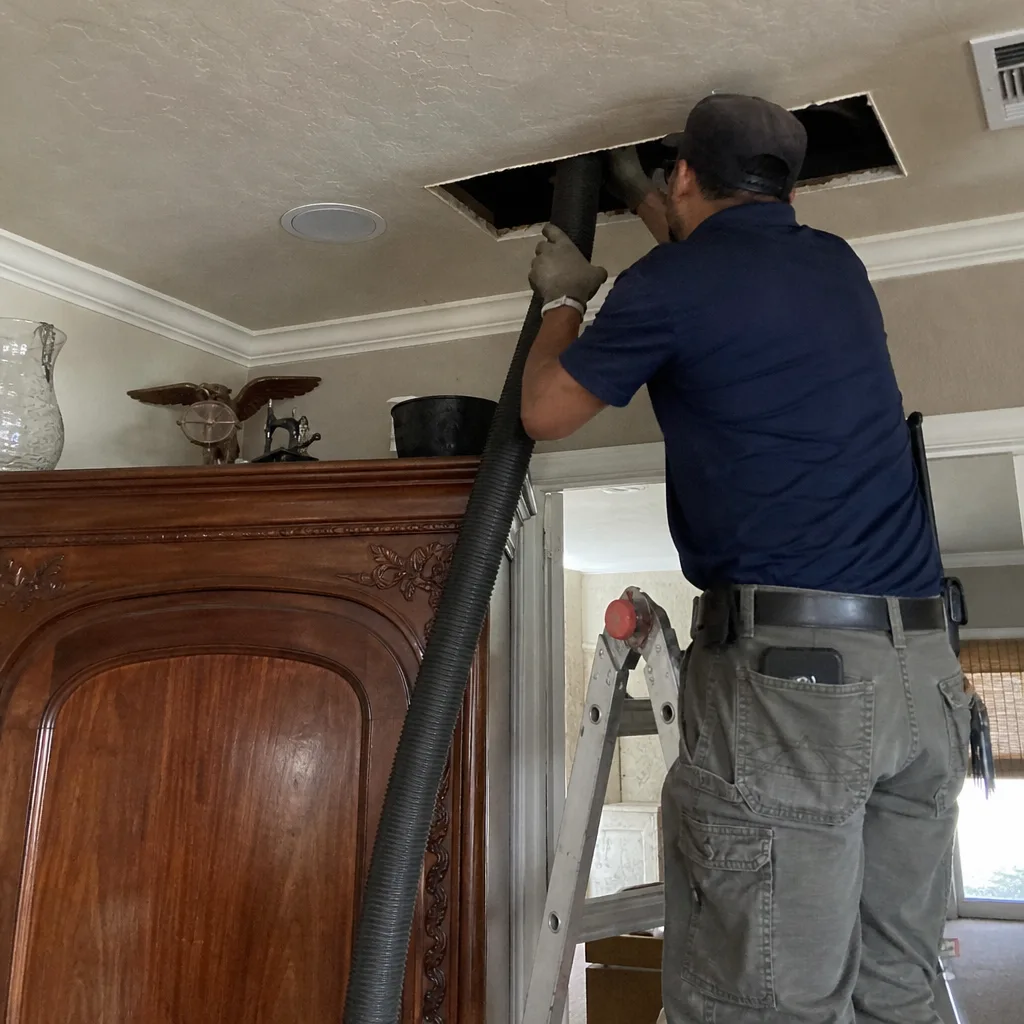 Before
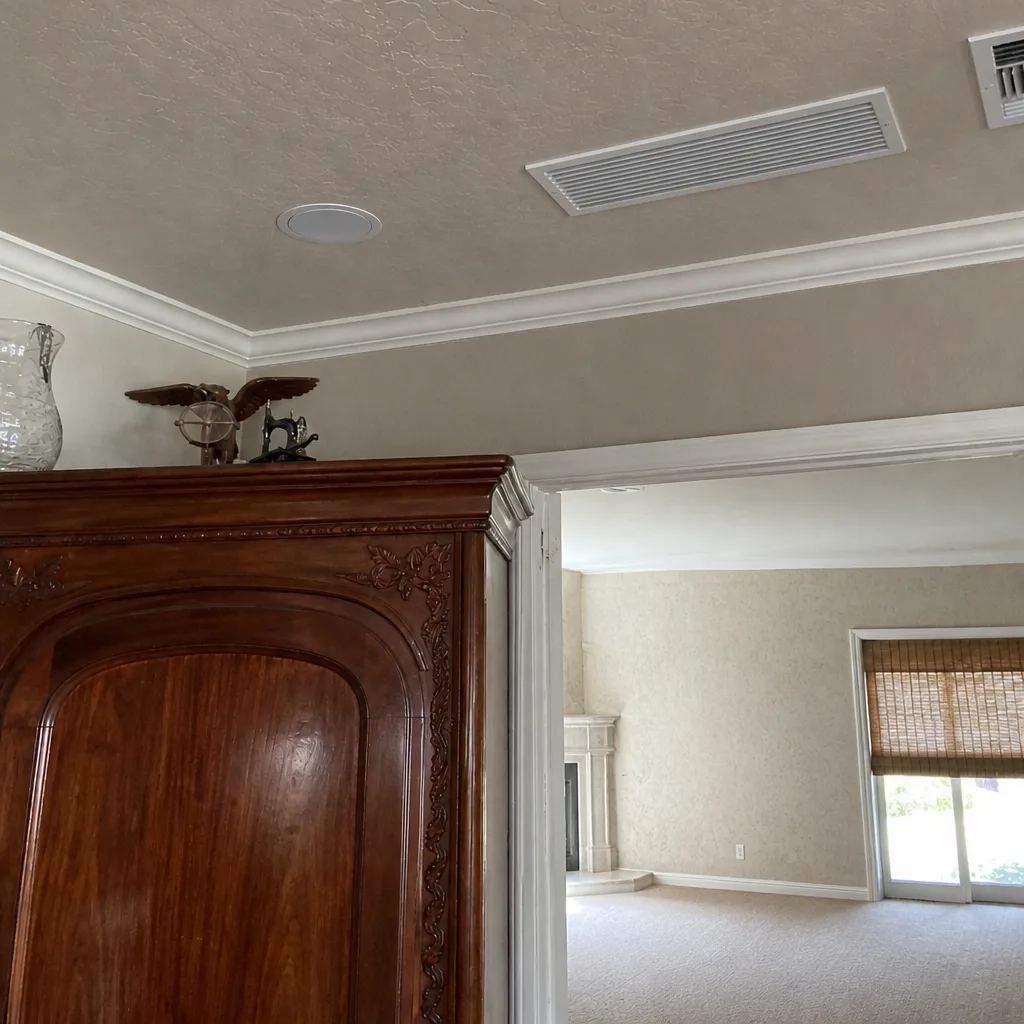 After
When to Call a Professional
You don’t need an inspection to call us, but here’s when it’s worth doing without delay. If anyone in the household has allergies that flare indoors, if you’ve just finished a renovation, if you’ve added a pet, if there’s a musty smell that comes back within days of airing the house out, or if the energy bill has climbed without a change in habits, the system is worth a look. Visible dust plumes at the registers and heavy buildup on the grilles are also direct signals. We connect homeowners with independent local professionals who bring the right equipment to a Spring Branch job, take a real inspection first, and quote a flat price per system before anyone starts. Air Duct Cleaning Spring Branch offers free estimates in Spring Branch, call (855) 359-1727. We answer 24/7. Fast dispatch from 7am to 7pm, Sunday through Friday.
Frequently Asked Questions
Air duct cleaning in Spring Branch typically runs $300 to $500 for a standard single-system home, $500 to $800 for larger homes or two systems, and $1,200 and up for full-system work that includes coil cleaning, sealing, or heavy contamination. The written estimate sets the final price. Call (855) 359-1727 for an exact quote – estimates are free.
Cheap quotes are cheap because the equipment and scope are different, not because the operator is generous. A quote under $200 for a whole house usually means no rotary brush system, no negative-air containment, and no documentation, and often the trunk line and returns aren’t touched at all. Ask which machines will be on-site before you compare prices. Call (855) 359-1727 and we’ll explain the difference on your system.
You know because you have before-and-after images of your own ducts, a written scope, and an invoice that matches. Request that documentation in writing before the job is scheduled. Call (855) 359-1727 to ask what documentation comes with the estimate.
Most Spring Branch homes do fine with an inspection every few years and cleaning when the inspection shows it’s needed, not on a fixed clock. Homes with pets, recent renovations, or allergy concerns often need a shorter interval. Call (855) 359-1727 to talk through the right schedule for your household.
Per-vent pricing isn’t automatically a scam, but it’s a weak consumer model because it rewards counting vents rather than cleaning the system. Ask what “one vent” includes, how the trunk line and plenum get cleaned, and whether the price changes if the count changes on-site. A flat price per system is easier to compare and harder to inflate. Call (855) 359-1727 for a flat-price estimate.
Yes, when the inspection finds leaks, disconnected joints, or breaches, we can address duct repair and sealing in-house instead of sending you to a second contractor. That keeps the fix and the cleaning on the same scope and the same invoice. Call (855) 359-1727 to book an inspection.
The Bottom Line
The gap between a $99 quote and a $1,500 job in Spring Branch isn’t markup. It’s equipment, scope, and evidence. If you remember one thing from this guide, it’s this: ask which machines will be on-site, ask what gets cleaned beyond the registers, and ask what proof you’ll get when the work is done. The quote that answers all three in writing is the quote you can trust against your system. A whole-system flat price agreed before work starts, plus before-and-after photos of your own ducts, is the standard worth holding the next quote to. Air Duct Cleaning Spring Branch offers free estimates in Spring Branch, and we’re happy to walk through your system and your numbers with you before you decide.
Ready to talk through a real estimate? Call (855) 359-1727. We answer 24/7. Fast dispatch from 7am to 7pm, Sunday through Friday. One flat price per system, agreed before work starts, with before-and-after photos of your own ducts.
Written by the team at Air Duct Cleaning Spring Branch.