
Last updated November 25, 2026
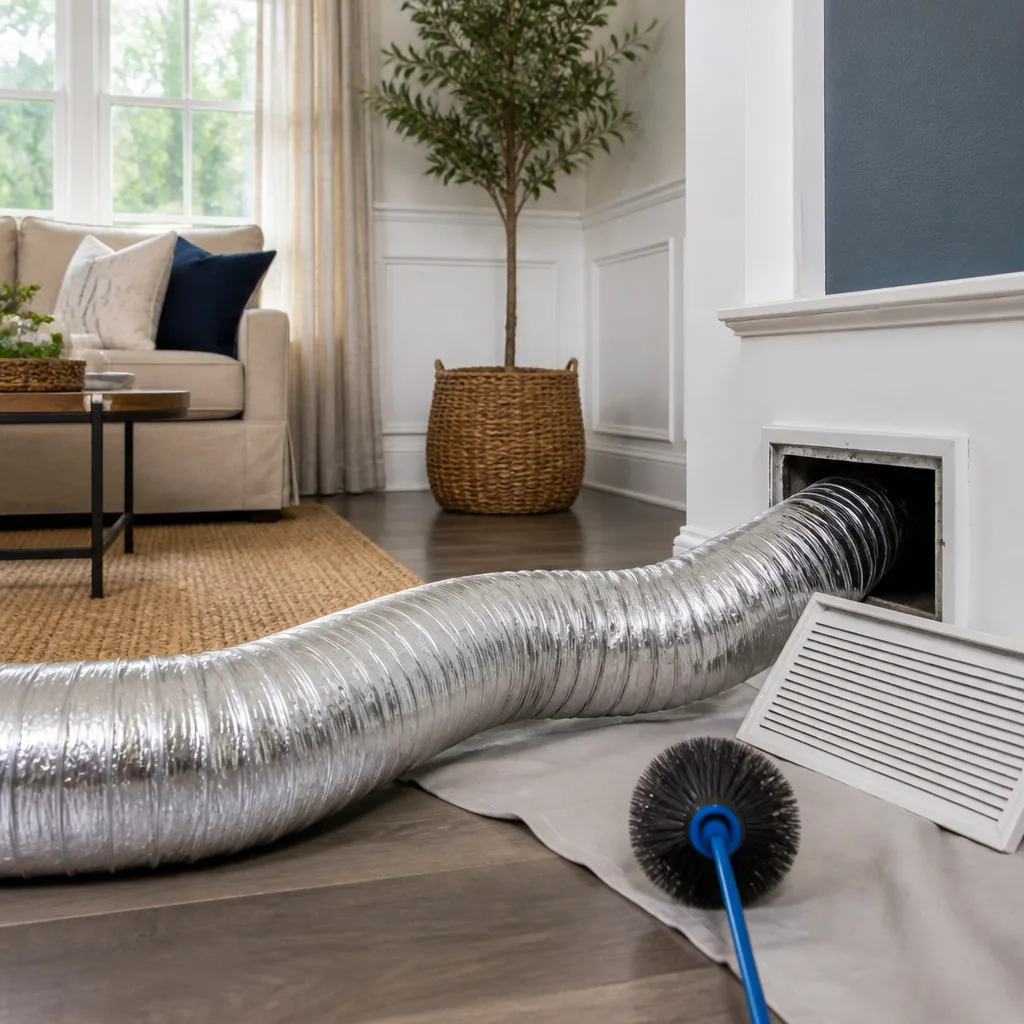 Whole-home duct cleaning
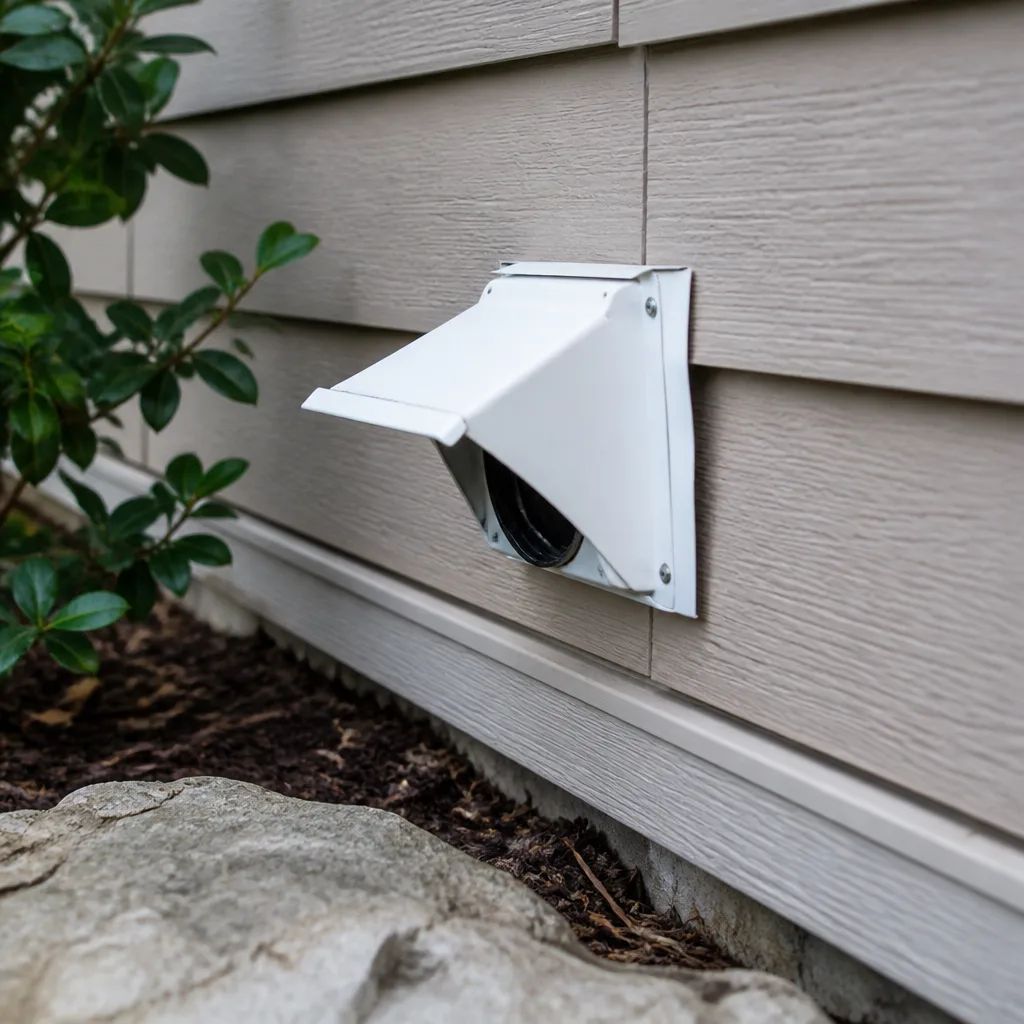 Dryer vent cleaning
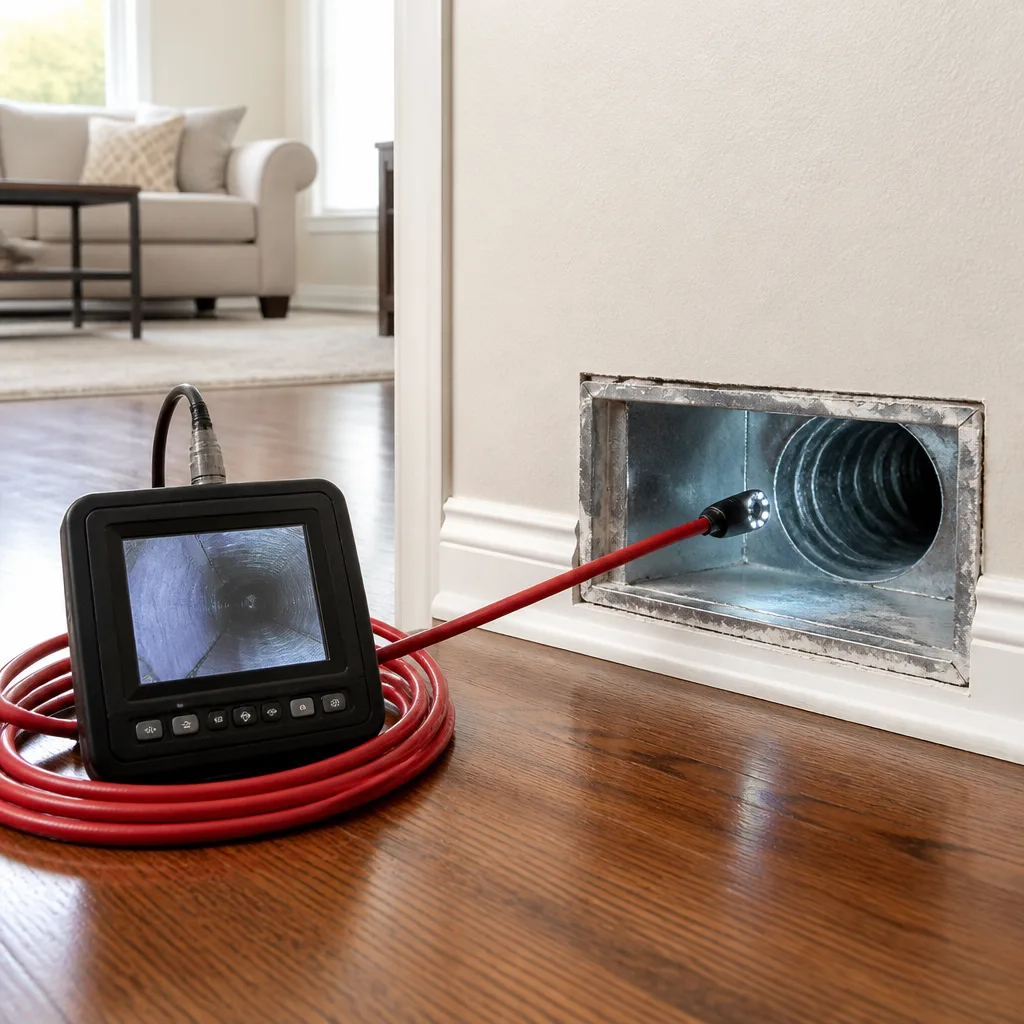 Camera inspection
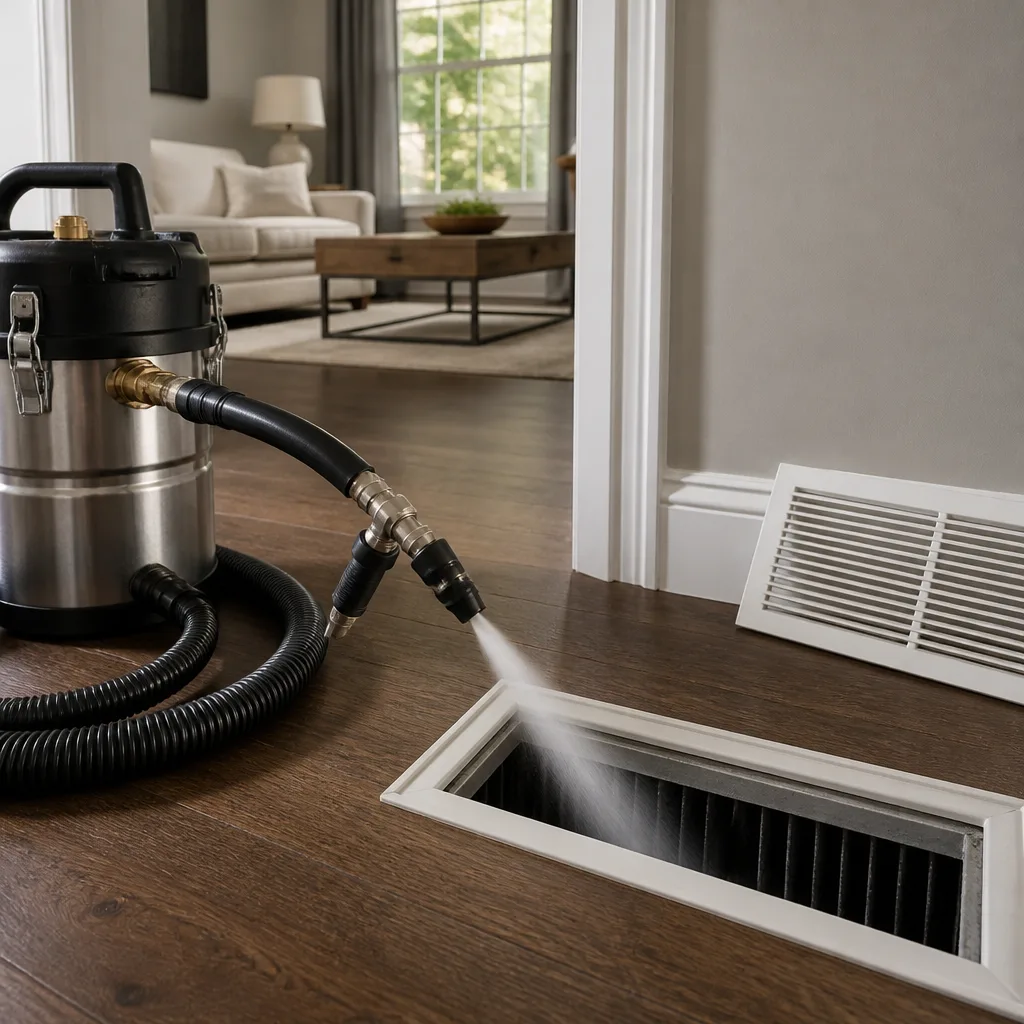 Sanitizing & deodorizing
Whole-system duct and dryer vent check with before-and-after photos - you see exactly what came out of your vents
That "$99 whole-house special" is a bait ad - the real number appears once they are in your hallway, or the "clean" is a shop-vac at the register. We photograph the inside of your ducts before and after instead.
Air Duct Cleaning Warning Signs: A Spring Branch Homeowner’s Reference Guide
A musty smell that shows up in the first ten minutes of HVAC operation, then fades, is not a quirk. It’s the duct system off-gassing volatile organic compounds from a biofilm layer that’s been building since the last cleaning, and cracking a window doesn’t clear it. Most homeowners in Spring Branch wait for a dramatic symptom before they look inside their ductwork: a visible mold colony, an allergy spike that finally gets unbearable, an HVAC failure in July. Every one of those endpoints had months of quieter signals in front of it. This guide walks through those signals so you can act before the expensive stage. We’ll cover airflow, odor chemistry, what register staining actually means, and the triggers that make an inspection non-optional.
Quick Answer
Air duct cleaning warning signs in Spring Branch include weak or uneven airflow at registers, a musty smell that appears in the first ten minutes of system operation, dark rings or black staining around vents, allergy symptoms that track with time spent indoors, and any renovation or water event in the past twelve months. If two or more of those apply, get the system inspected before the next cooling season. Odors and staining point to different problems, so the specific sign you notice should shape what gets checked first.
Styles & brands we work with
- Whole-home duct cleaning
- Dryer vent cleaning
- Camera inspection
- Sanitizing & deodorizing
Table of Contents
- Airflow Warning Signs: When Registers Tell You Something’s Wrong
- Odor Diagnostics: Musty, Burned, or Rodent
- Visual Indicators at Registers and Vents
- Health Pattern Signals
- Post-Renovation and Post-Water-Event Windows
- Energy Bill Creep and System Runtime
- What to Check Yourself Before You Call
- When to Call a Professional
Airflow Warning Signs: When Registers Tell You Something’s Wrong
Airflow problems are the easiest signs to confirm and the easiest to misread. A register that blows weakly can mean a clogged filter, a failing blower, or a duct run that’s partially collapsed or disconnected inside a wall. The distinction matters because a duct cleaning alone won’t fix a torn flex run. What you want to rule out first is the cheap stuff, then look at the pattern.
Here’s the sequence we suggest before calling anyone:
- Replace the filter, note the date, and run the system for a full day.
- Test each register with your hand, front and back of the house, one at a time. Write down which ones feel weaker.
- Note whether the pattern changes with doors closed vs. open. A room that only loses airflow when its door is shut points to a return-air problem, not a duct dirt problem.
- Watch an interior door while the system kicks on. If it moves or pulls, the return path is starved, and the system is pressurizing some rooms and starving others.
- Check whether the weak rooms are at the end of long runs or on second floors. The same amount of debris hurts a long run more than a short one.
That room-by-room imbalance is the specific thing to write down. In a Spring Branch house with a single return and a long duct run to the back bedrooms, the far rooms are usually the first to show the effect of debris buildup or a partially blocked run. If one or two rooms consistently underperform and the filter is clean, you have a real signal, not a feeling. When the imbalance is paired with visible debris at the registers, the call is air duct cleaning, plus a check for leaks while the equipment is out. Cleaning without sealing the leaks it finds just resets the clock.
What you should not do is assume the system needs a bigger blower. Adding capacity to a duct system that’s leaking or restricted pushes more air into leak paths and can make the whole house drier and dustier. Diagnose the ducts first. Our technicians have up to 14 years of experience with this, and the pattern-recognition question is almost always the same three: which rooms, when did it start, and what changed in the house around then.
Odor Diagnostics: Musty, Burned, or Rodent
The smell you notice is one of the most diagnostic pieces of information you have, and the key detail is timing. An odor that shows up within the first ten minutes of operation and then disappears means the system is pushing out something that’s off-gassing from the duct surfaces, typically a biofilm layer. The smell fades because the initial burst has been pushed into the rooms. Airing out doesn’t clear it because the source is still in the ductwork, and the next cycle starts the process again. That’s the pattern that shows up most often in this part of Texas, where a long cooling season keeps the system running humid air through the same duct surfaces for many months.
Not every odor is a biofilm. Here’s how to sort them:
- Musty or earthy: biofilm growth on duct walls or the evaporator coil, often fed by moisture that never fully dried. Most common in homes with high indoor humidity through the summer.
- Burned dust: dust cooking off a heat exchanger or electric heating element at the start of the heating cycle. Usually resolves after the first few cycles of the season but gets worse each year as the dust load grows.
- Rodent activity: a sharp, ammonia-tinged smell with a distinct animal note, often strongest near a register in an exterior wall or a closet. Rodents use duct runs and attic spaces, and this pattern warrants inspection of the ducts and the air handler area, not just a cleaning.
- Sweet or chemical: refrigerant or combustion smells. Not a duct cleaning issue. Call an HVAC technician immediately and don’t run the system.
Distinguishing the first three from the fourth matters because the fourth is a safety issue. If the smell only happens on the heat cycle, treat it as a burned-dust symptom and schedule a look at the heat exchanger and the duct run nearest the air handler. If it happens year-round on both cycles, it’s almost certainly the ductwork. A HVAC cleaning that covers the coil and the plenum is a better answer than duct cleaning alone when the sweet or oily smell accompanies the musty one. Once the source is cleaned, a Guardsman-branded sanitizing treatment applied to the ducts is the step that keeps the biofilm from re-establishing quickly, and the reason we treat it as a named post-cleaning stage rather than an optional spray.
Visual Indicators at Registers and Vents
Look at the register grilles and the duct throat behind them. There are three distinct appearances worth knowing, and each points to a different problem. Snap a photo before you wipe anything down. The pattern matters more than the color density.
- Dark dust rings around the grille screws and slots. This is normal fine particulate from the home’s own air passing through the grille. It accumulates faster on the registers closest to the return. Not alarming on its own, but it tells you the ducts are moving dust and the filtration isn’t catching it.
- Black staining that streaks or patches. Black staining on the duct surface or the register is the one to inspect. In a humid climate it can be mold. It can also be soot from a nearby combustion source or residue from a prior renovation. This is not a “wipe it and forget it” pattern. It merits a physical inspection of the duct interior, and in our experience that means a camera inspection before any cleaning starts.
- Orange or rust-colored staining. Oxidation from moisture sitting against metal. It’s a sign of chronic wetness in that section of duct, and the source of the moisture is the real problem. Fix that first, or the stains come back.
When you check, look at the return grille too. The return side sees far more particle load than the supply side, and darkening on the return is often the first visible sign. If you have a filter grille (a return with a filter directly behind the grille), lifting it is a two-second check, and if the filter is grey and furry after a month, your filter is undersized for the particle load. That’s where a properly installed Honeywell or Aprilaire filtration unit earns its cost: it captures the load at the return, so the ductwork stays cleaner between cleanings. A better filter doesn’t replace cleaning, but it slows the buildup between jobs.
Health Pattern Signals
You are not going to diagnose a duct problem from symptoms alone. But a specific pattern in the timing of symptoms is one of the strongest signals a homeowner will ever notice, and it’s the one most often dismissed. The pattern is this: symptoms that are worse when the HVAC is running in your own home, better on days when you’re out of the house, and consistent across different people who live there.
What to look for:
- Symptoms that cluster in specific rooms, especially bedrooms used overnight with the door closed.
- Morning congestion that clears within an hour of leaving the house and returns on evenings at home.
- Guests who mention the air “smells different” or wake up stuffy after staying the night.
- A recent change: new pet, new carpet, a new home, a new baby in the house, and a change in how the home feels.
- Reactions that started or worsened after a home renovation or a water intrusion event.
None of those alone is proof of a duct problem. All of them together, over a period of weeks, is the point at which an inspection makes sense. This is where a full-system view matters. We bring the same Abatement Technologies HEPA equipment used in mold and hazardous-material abatement so the visible and invisible debris is captured at the source rather than disturbed and recirculated. That distinction matters for a homeowner whose primary concern is indoor air quality: a shop vacuum and a rotary brush in the wrong order can send a fine particle cloud straight back into the room. A proper setup runs negative air throughout the job so the particles leave through the vacuum, not through the register.
If symptoms are severe, talk to your doctor before scheduling any work. Cleaning the ductwork can help remove an irritant source, but it’s not a medical treatment. The reason to know the pattern is to make a good decision about the inspection.
Post-Renovation and Post-Water-Event Windows
Two events make a duct inspection mandatory regardless of how the system looks or smells: a renovation that produced drywall dust, and a water event that reached near or inside the ductwork. Both overload the system with material that doesn’t always show up at the registers.
Drywall dust deserves its own explanation. It is a fine, alkaline particulate that settles inside ductwork, and once it’s wet from normal humidity, it can set like a thin cement on the duct walls. A register that looks clean does not mean the ducts are clean. The dust travels through the system by the shortest path to the air handler and settles in the runs that see the least airflow. In Spring Branch, where a typical summer renovation means the system is running heavily during and after the work, the dust spreads through the whole system before the project wraps.
Water events are the other trigger. Any flooding, roof leak, appliance overflow, or plumbing failure that wets insulation or drywall near ductwork opens a moisture window that feeds biofilm growth. The visible damage may be repaired long before the ducts are dry inside. Here’s the inspection timeline we recommend:
- During the renovation or water event: seal off returns in the work area with plastic and turn the system off during the heaviest dust or wet stage.
- Within a week of the event finishing: photograph the duct throats at each register before cleaning anything.
- Before turning the system back to normal operation: schedule an inspection, not just a quote over the phone. The inspection should include a camera look inside the main trunks and the air handler plenum.
- After cleaning: treat with a named sanitizer, and repair any duct leaks or tears the inspection found in the same visit.
That last step is where most duct-cleaning-only operators stop. A crew that just vacuums can’t fix a torn flex run or a disconnected joint. In-house dryer vent cleaning in the same visit closes the other half of the air pathway problem, since the dryer vent is the one duct run in the house that poses a fire risk rather than an air-quality risk. Catching both in the same visit is worth doing if you’re already opening the system up. One call, one visit, one report.
Energy Bill Creep and System Runtime
An energy bill that climbs slowly over a season is a weak signal on its own, but it belongs in the same file as the others. The comparison is not this month vs. last month, because the weather changes. The comparison is this summer vs. the last two summers, on a similar bill. A jump that can’t be explained by rate changes or by more people at home is worth investigating.
The mechanism is simple. A duct system with debris on the inner walls and leaks at the joints is doing two things at once: restricting airflow and dumping conditioned air into unconditioned space. The system runs longer to hit the thermostat setpoint, and more air escapes from the leaks. A duct cleaning alone doesn’t stop the leaks. Sealing them is what turns the efficiency back on. That’s why we do the repair and sealing step in-house during the same visit, rather than handing the homeowner a list of leaks to call a second contractor about. Cleaning is step one. Sealing the leaks is how you keep the system clean and efficient between cleanings.
Runtime is the companion signal. If the system has to run noticeably longer than it used to on a mild day, especially if the house still feels uneven room to room, that’s a duct system begging for a look. A smart thermostat that logs runtime over a week is the cheapest diagnostic tool a homeowner has. Download the data, note the pattern, and bring it to the inspection.
What to Check Yourself Before You Call
You can rule out two of the biggest false alarms in about ten minutes. Check the filter first, and check the return grille second. Those two checks eliminate most of the calls that turn out to be a maintenance issue rather than a cleaning need. Here’s the rest of the self-check list, in order of usefulness:
- Change the filter and note the date on it with a marker. A filter that’s matted in a month is undersized for your particle load.
- Lift the return filter grille if you have one and look at the surface behind it. Furry grey buildup means the return is doing a lot of work.
- Run the system with all interior doors open, then closed. If the pattern of weak rooms changes, you have a return-air issue.
- Smell the air at each register in the first two minutes after the system starts. Note which register is strongest. That’s the run to inspect first.
- Shine a flashlight into the throat of the register nearest the air handler. You’ll see the duct interior. Photograph what you see.
- Walk the house after a heavy rain and after a windy day, checking for that morning musty smell. Note which rooms.
- Look for dark rings vs. black staining vs. rust staining at each register, and note which appearance dominates.
What you should not do is reach into the duct and try to clean it yourself. The duct surfaces are often insulated internally, and a shop vacuum with a household hose will strip or puncture the liner. It will also stir the settled material into the airstream. The right answer is a professional setup with negative air, which is why we run Nikro negative-air equipment alongside the cleaning heads. Leave that step to the crew.
Common Mistakes to Avoid
- Wiping visible dust and calling it cleaned. The register grille is the last place the particle load shows up, not the source. Cleaning the grille hides the pattern from the next inspection without addressing the ductwork.
- Treating all smells as the same problem. Musty, burned dust, and rodent odors point to three different causes and three different responses. Collapsing them into “duct smell” wastes a service call on the wrong fix.
- Skipping the inspection after a renovation. Drywall dust settles into the runs with the least airflow and doesn’t always show at the register. A phone quote won’t catch it, and a visible inspection of the duct interior will.
- Assuming a better filter replaces cleaning. A Honeywell or Aprilaire filtration unit captures more particle load at the return, and it slows the buildup between cleanings. It doesn’t remove what’s already in the duct.
- Cleaning without sealing. If the crew finds torn flex runs, disconnected joints, or duct tape failures during the job, those need repair in the same visit or the system just re-contaminates. Ask upfront whether the crew can do repair, not just cleaning.
- Choosing on price alone. A very low quote is almost always a per-vent charge with a teaser number attached, and the final bill grows once the technician is on site. Ask for a whole-system number, in writing, before anyone starts.
- Ignoring the dryer vent. The duct cleaning and the dryer vent cleaning are separate runs, but both are air-pathway problems. Ask to have both inspected in the same visit.
See the difference
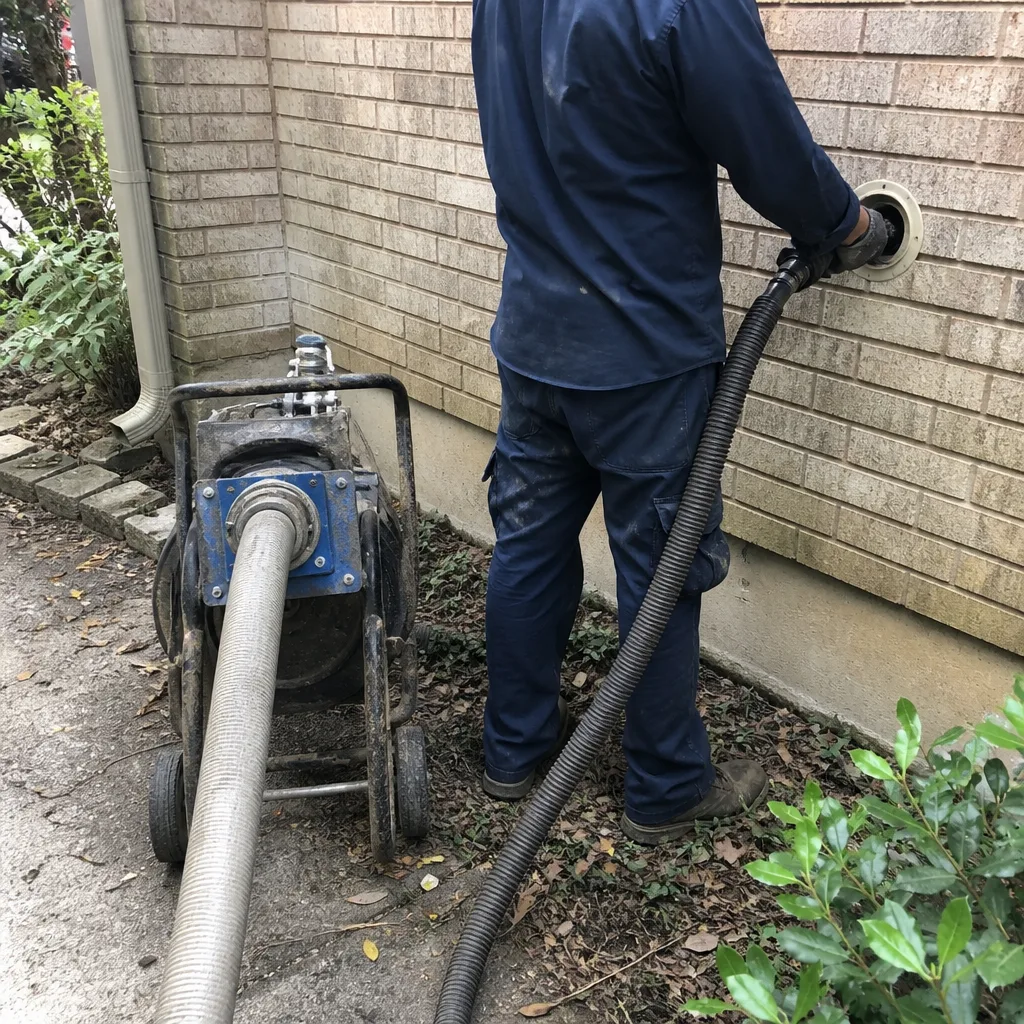 Before
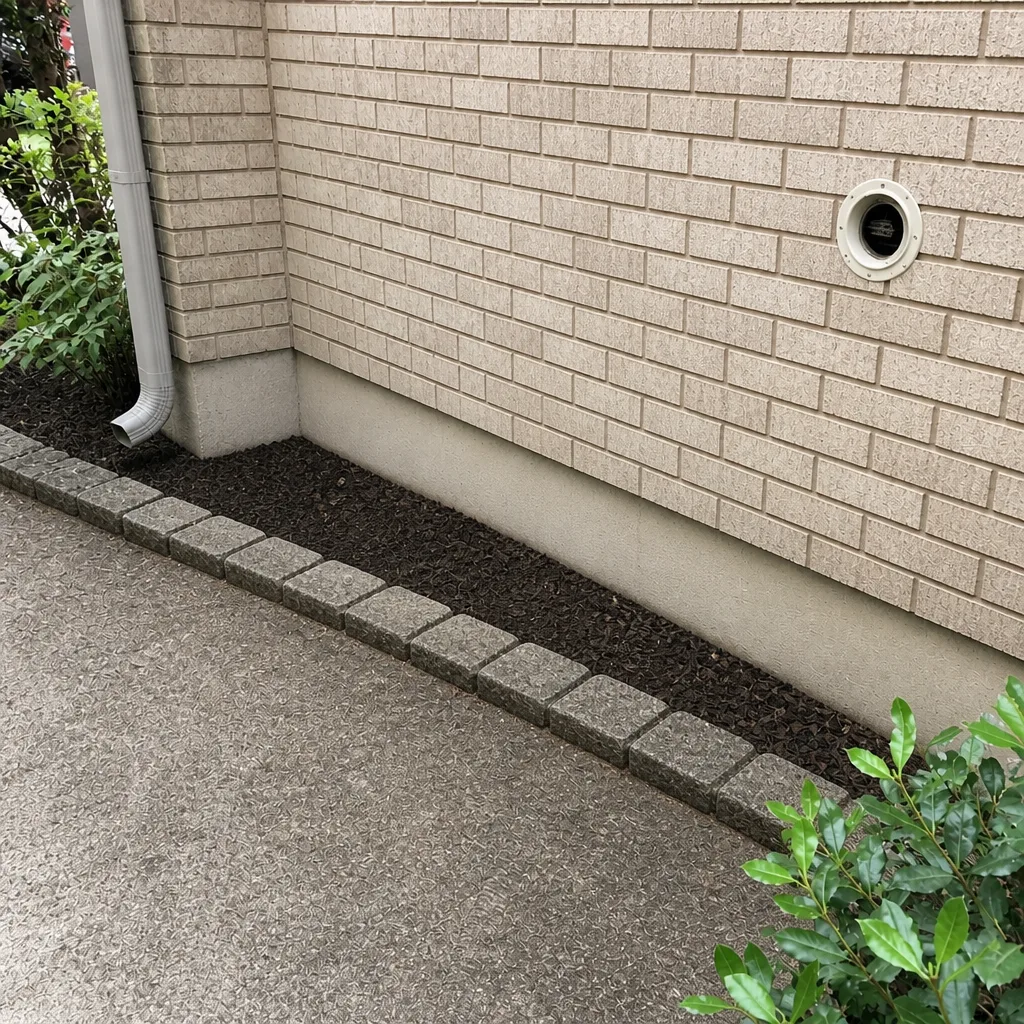 After
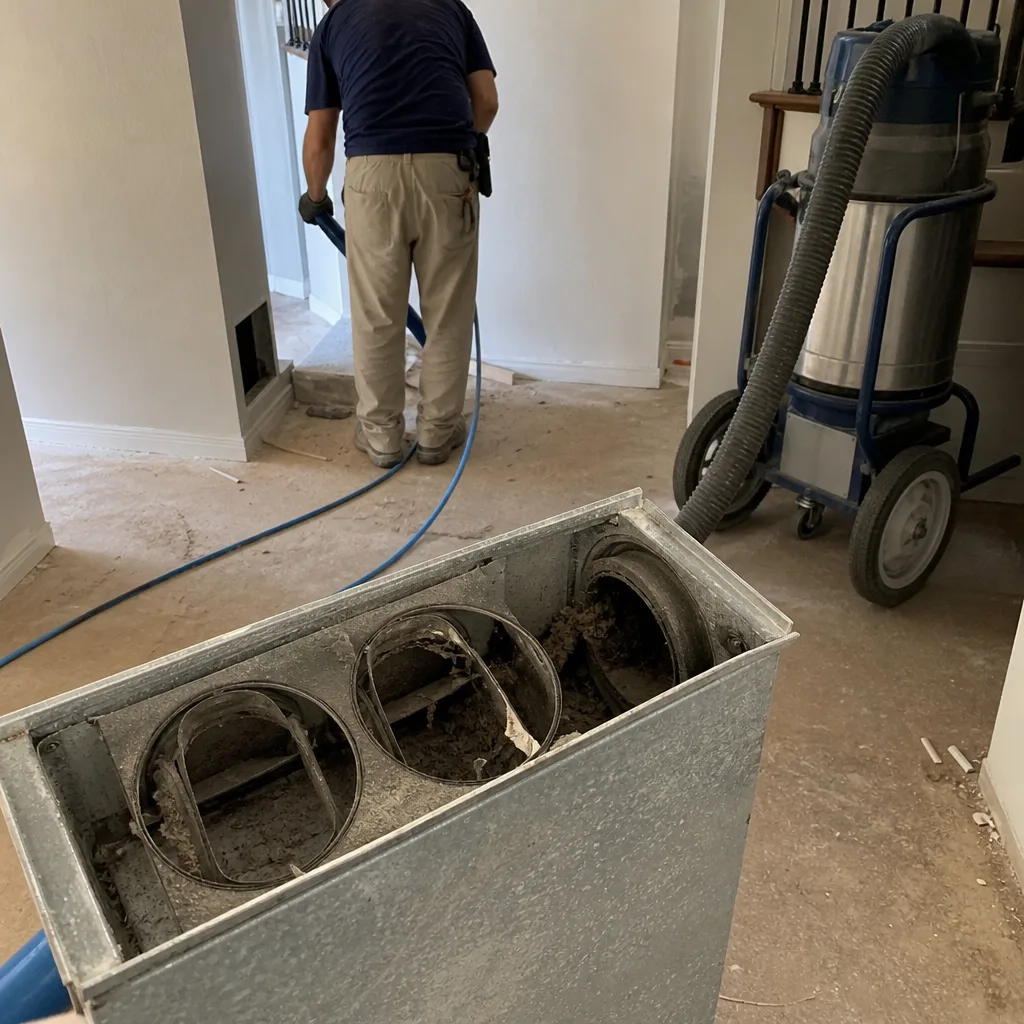 Before
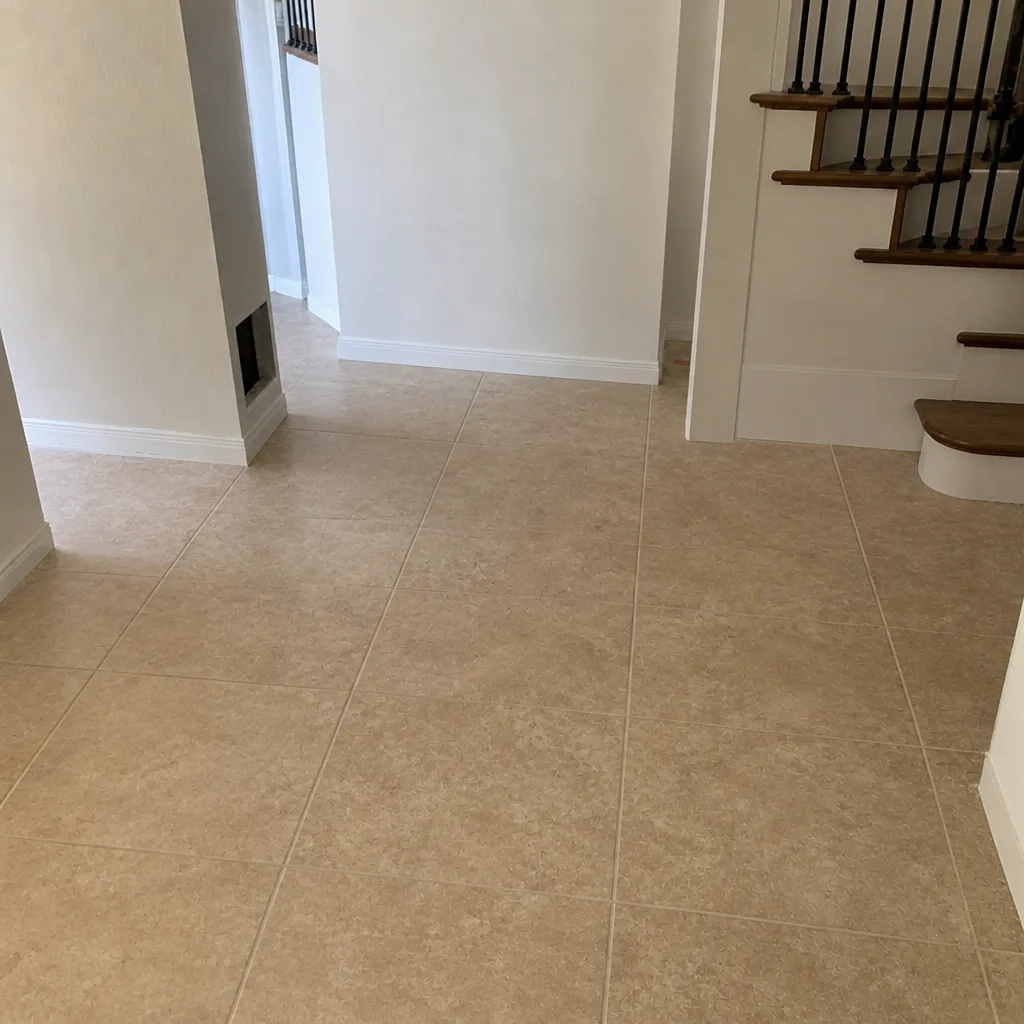 After
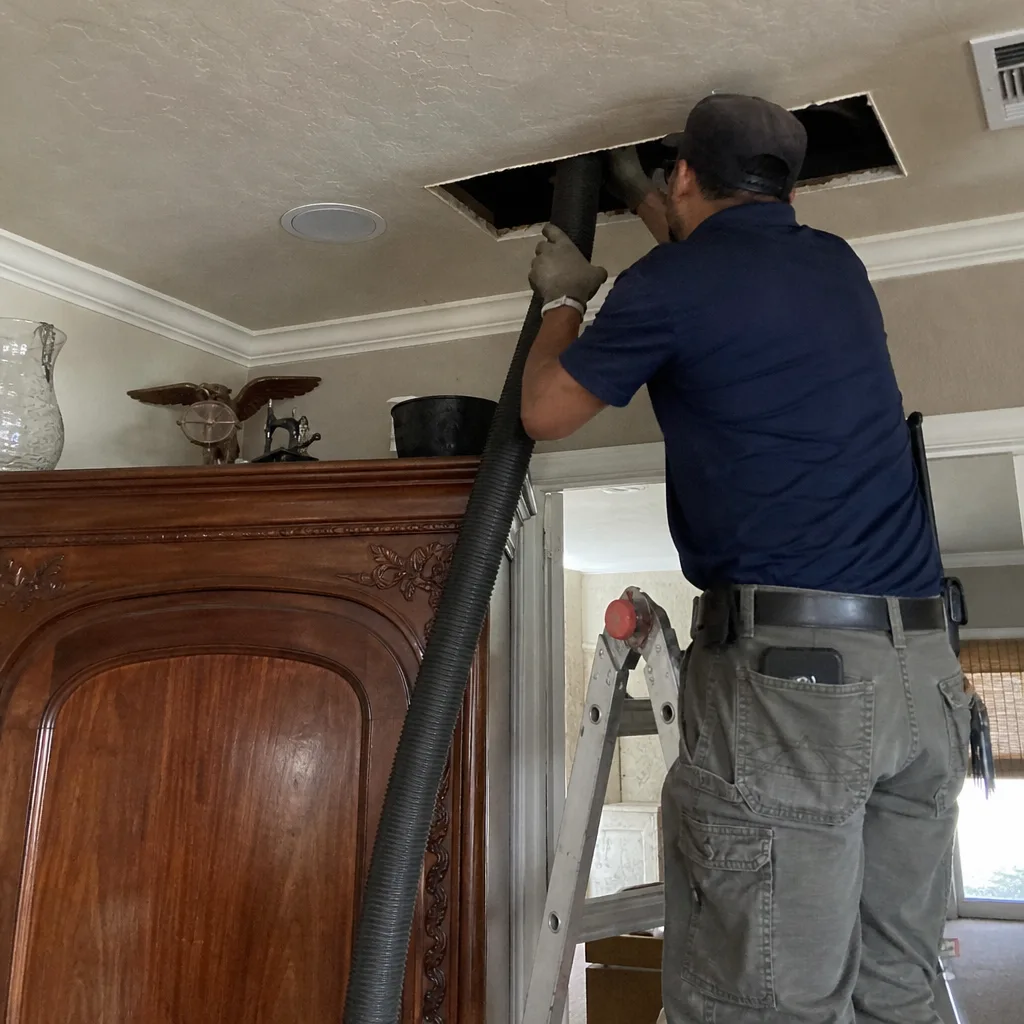 Before
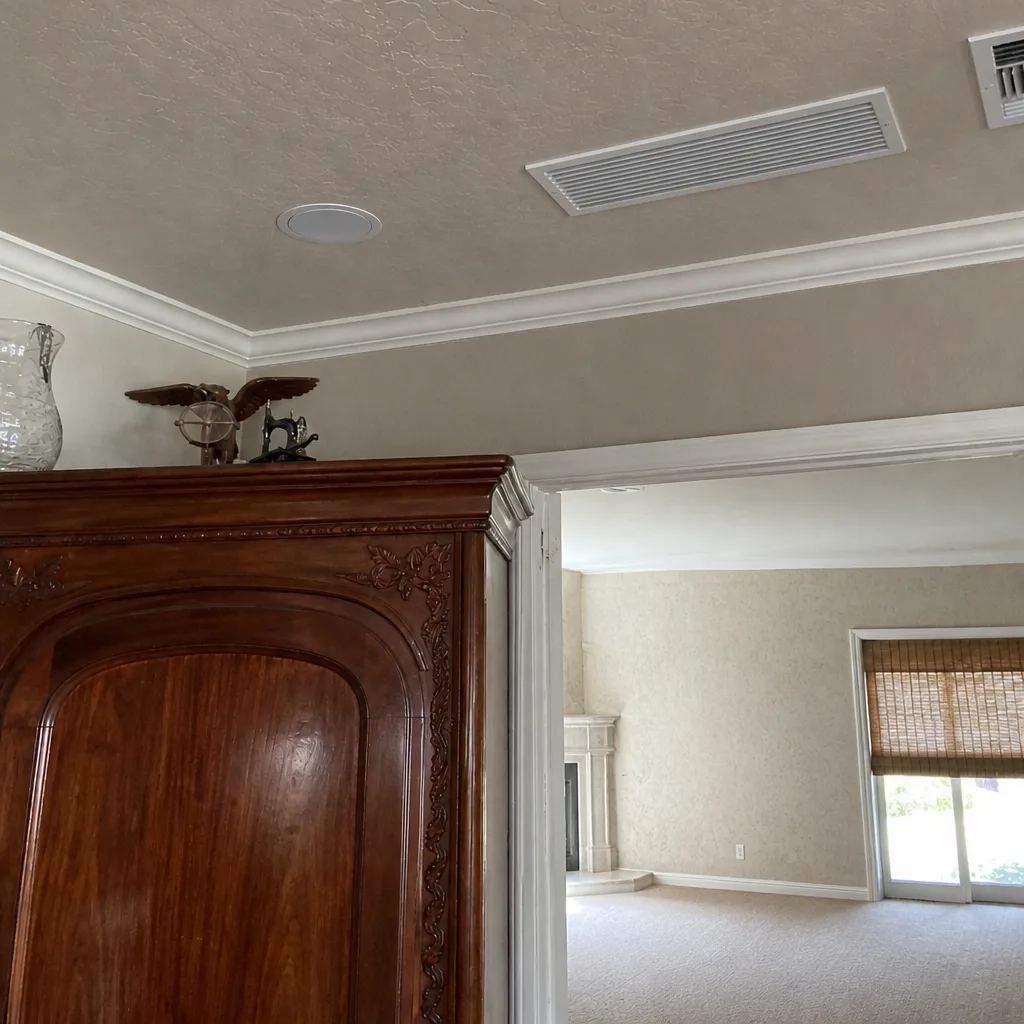 After
When to Call a Professional
Call a professional when two or more warning signs from this guide overlap, when you notice any dark staining or orange oxidation at a register, or when a renovation or water event in the past year produced dust or moisture that could have reached the ducts. Call immediately if you smell refrigerant or combustion products, and don’t run the system until an HVAC technician has checked it. If the pattern is a biofilm smell, uneven airflow, and a worsening allergy season in your Spring Branch home, that’s a full-system inspection, not a vacuum call. Air Duct Cleaning Spring Branch offers free estimates in Spring Branch. Call (855) 359-1727. We answer 24/7. Fast dispatch from 7am to 7pm, Sunday through Friday.
We bring commercial-grade equipment to residential jobs: Rotobrush rotary brush systems for the duct walls, Nikro negative-air machines to keep the particle load off your indoor air, and Abatement Technologies HEPA capture at the source. If the inspection finds a leak or a disconnected run, we repair and seal it in-house. One visit covers the full air pathway: ducts, vents, and the dryer line. Explore our air duct cleaning Spring Branch scope if you want the full picture of what a job includes before you book.
Frequently Asked Questions
The most common warning signs in Spring Branch homes are a musty smell in the first ten minutes of HVAC operation, uneven airflow between rooms, dark rings or black staining at registers, and allergy symptoms that track with time spent indoors. Any two of those patterns together warrant an inspection. Call (855) 359-1727 for an exact quote. Estimates are free.
Air duct cleaning is priced per system, not per vent, and the written estimate sets the final price. Whole-system ranges vary based on the number of trunks, runs, and whether repair or sanitizing is included. The reason we don’t quote per-vent is that per-vent pricing is where the invoice starts small on the phone and grows once the technician is on site. Ask for a whole-system figure in writing before work starts. Call (855) 359-1727 for a free estimate.
A very low quote almost always reflects a teaser price or a per-vent charge that expands on-site. It also tends to reflect a crew with a shop vacuum, no negative-air setup, and no ability to repair or seal what the inspection finds. Ask for the written whole-system number, the equipment they’ll bring into the house, and whether repair and sealing are in scope. Call (855) 359-1727 for an honest whole-system estimate.
You know the work was done when the crew photographs the duct interior at each register before and after, and you see the images. Ask for the before-and-after photos at the end of the job. A crew that runs proper equipment will have them. Ours does. Call (855) 359-1727 to schedule a free estimate and see what’s actually inside your ducts before you decide.
For a typical Spring Branch home, every few years is a reasonable baseline if the system is maintained with regular filters. A renovation or a water event resets that schedule to right now. A new pet or a new member of the household with allergies is another reset. The inspection should drive the schedule, not a calendar. Call (855) 359-1727 if you’re unsure where your home sits right now. Estimates are free.
A duct cleaning can remove the biofilm layer that causes the smell, and it can fix the problem if the moisture source is also addressed. A musty smell that returns each summer usually means the moisture isn’t fixed: high indoor humidity, a coil that never fully dries, or a leak path pulling humid air into the ducts. The cleaning and the sealing work together. We can inspect, clean, treat with a Guardsman-branded sanitizer, and repair duct leaks in the same visit. Call (855) 359-1727 for a free estimate. We answer 24/7. Fast dispatch from 7am to 7pm, Sunday through Friday.
The Bottom Line
The dramatic symptoms you read about, visible mold, an allergy spike, an HVAC failure in July, all have months of quieter signals behind them. The signals are worth learning: uneven airflow room to room, a musty smell in the first ten minutes of operation, dark rings vs. black staining vs. orange oxidation at registers, symptoms that track with indoor time, and the reset that a renovation or water event puts on your inspection schedule. If two or more apply to your Spring Branch home, get the system inspected before the next cooling season. We can diagnose, clean, repair, seal, and treat in a single visit, with the same professional-grade equipment applied to commercial and remediation work. Call (855) 359-1727. We answer 24/7. Fast dispatch from 7am to 7pm, Sunday through Friday. The written estimate sets the final price.
Written by the team at Air Duct Cleaning Spring Branch.