
Last updated November 25, 2026
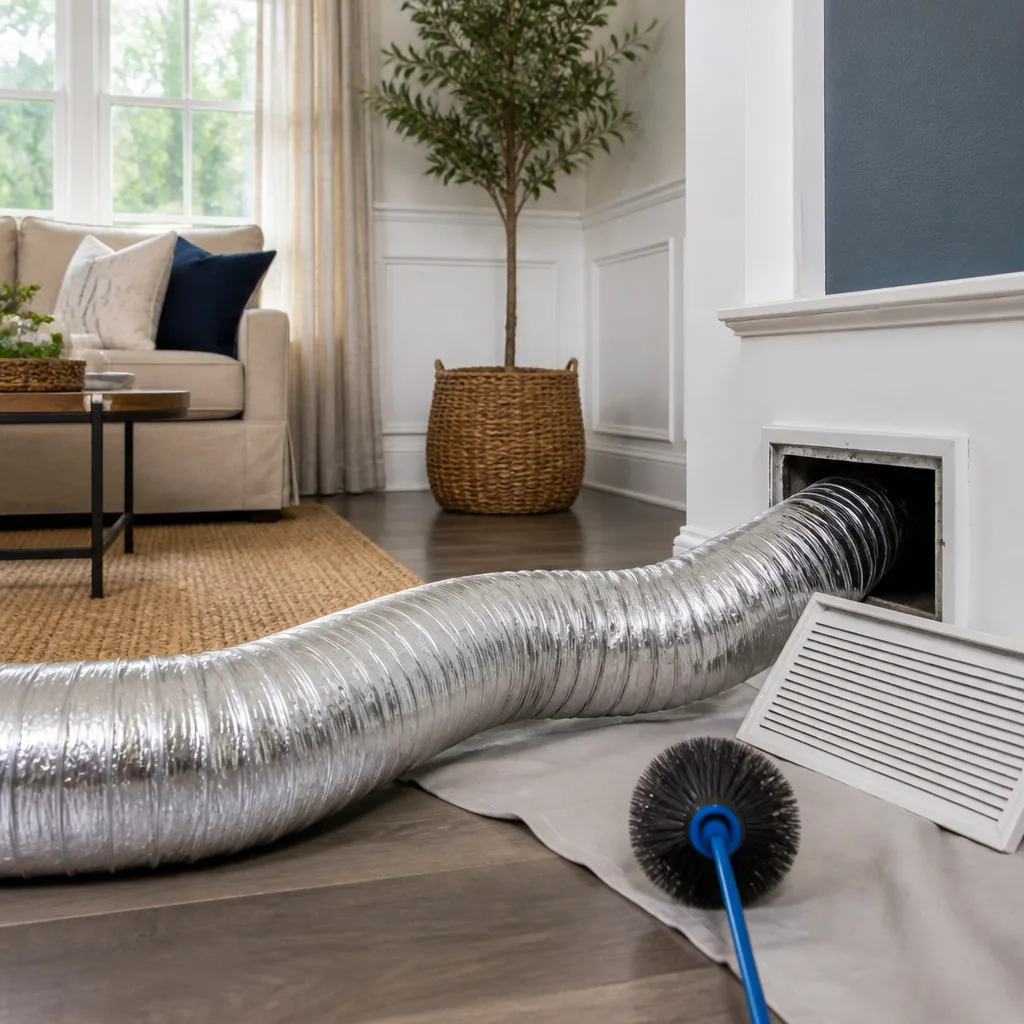 Whole-home duct cleaning
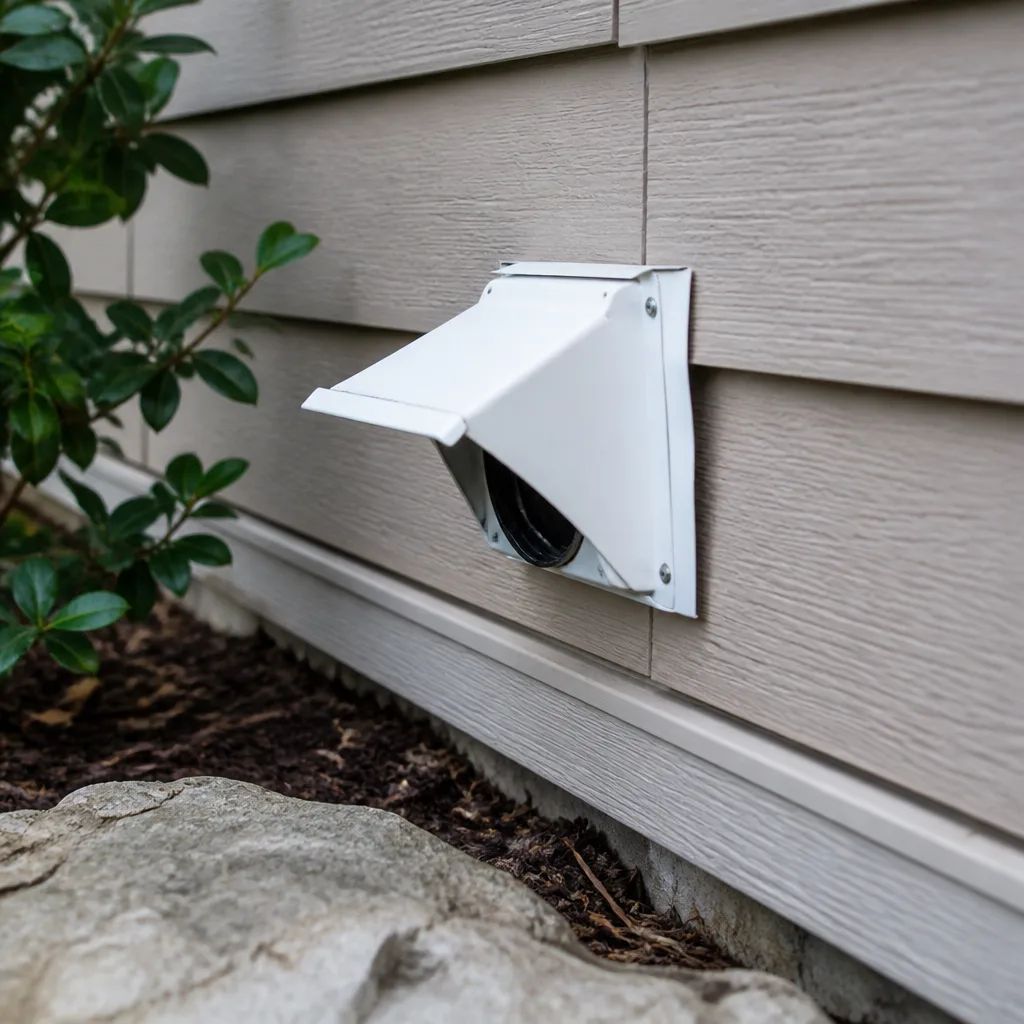 Dryer vent cleaning
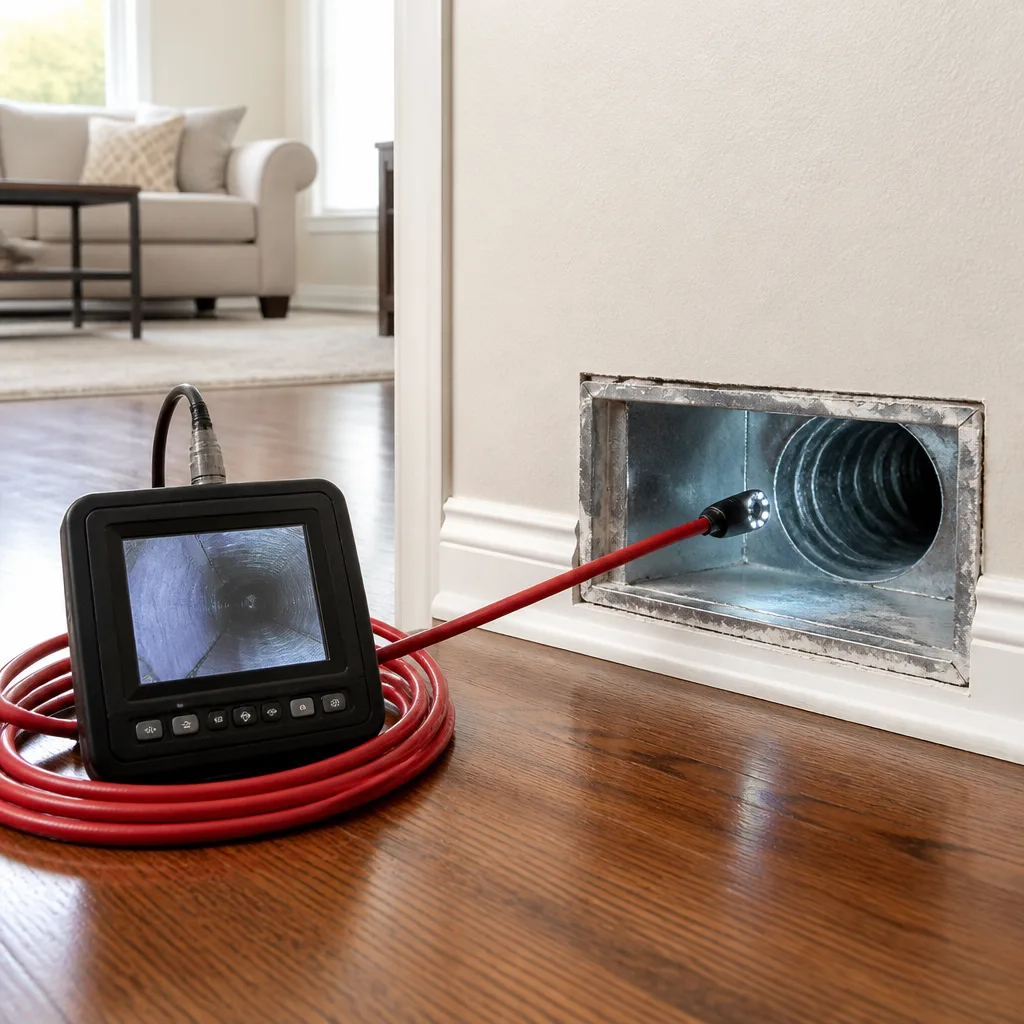 Camera inspection
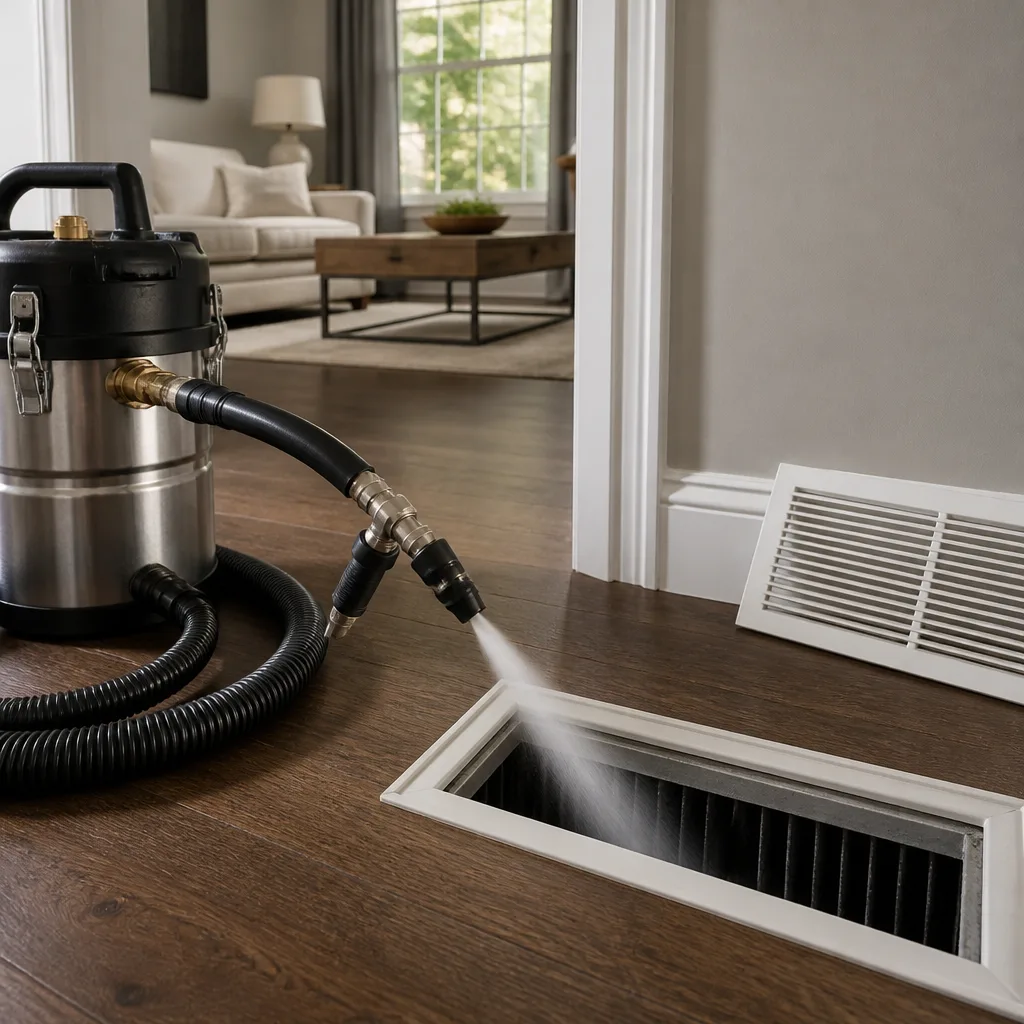 Sanitizing & deodorizing
Whole-system duct and dryer vent check with before-and-after photos - you see exactly what came out of your vents
That "$99 whole-house special" is a bait ad - the real number appears once they are in your hallway, or the "clean" is a shop-vac at the register. We photograph the inside of your ducts before and after instead.
How to Hire an Air Duct Cleaning Contractor in Spring Branch: A Step-by-Step Guide
A $99 whole-house duct cleaning offer is almost always a contact-harvesting tactic. Think about what has to happen on a real source-removal job: a negative-air machine running for hours, a rotary brush system working every branch line, HEPA-rated collection, and a technician who can document what came out. That equipment costs more to run per job than a $99 price covers. So the low price buys a phone number and an address, and the real invoice shows up after the technician is inside your home. This guide gives you a technical vetting framework for hiring in Spring Branch, so you can tell a full-service specialist from a generalist with a shop vacuum and a logo. You’ll learn exactly what to ask, what to look at, and what to walk away from.
Quick Answer
Hire an air duct cleaning contractor in Spring Branch by verifying four things before you book: the equipment they’ll use on-site (negative-air CFM, brush system brand, HEPA-rated collection), current NADCA ACR certification rather than a stale logo, a written scope of work produced after a documented walkthrough, and whether they can handle duct repair and sealing in-house. Ask for before-and-after documentation and a flat price per system based on your home’s square footage, not a per-vent teaser. If a contractor can’t or won’t answer those questions before the appointment, that’s your answer.
Styles & brands we work with
- Whole-home duct cleaning
- Dryer vent cleaning
- Camera inspection
- Sanitizing & deodorizing
Table of Contents
- Why the Spring Branch Duct Cleaning Market Is Hard to Read
- The Equipment Questions to Ask Before You Book
- How to Read a NADCA ACR Certification (and What a Logo Alone Means)
- What a Legitimate Pre-Job Walkthrough Looks Like
- Why One Crew Should Cover Ducts, Coils, Dryer Vent, and Testing
- Contract Red Flags Specific to Duct Cleaning
- How to Verify the Work Was Actually Done
- What Air Duct Cleaning Costs in Spring Branch
- Common Mistakes to Avoid
- When to Call a Professional
Why the Spring Branch Duct Cleaning Market Is Hard to Read
Spring Branch sits in a stretch of Texas where the cooling season runs long and the heating season is short and mild. That matters for ductwork. A system that runs cooling for most of the year moves a lot of air through the same trunk lines and branch runs, and it also pulls a steady load of the fine dust and pollen that come with the local vegetation. Homes here tend to be sealed and air-conditioned for months at a time, which means whatever is sitting in the return plenum gets recirculated rather than vented out through open windows.
Now the harder part. Search for duct cleaning in Spring Branch and you’ll find two very different businesses wearing the same uniform wording. One owns rotary brush systems, negative-air machines, and HEPA collection equipment. The other owns a portable vacuum and a marketing budget. Both will tell you they do “complete duct cleaning.” Both will quote a number over the phone before anyone has looked at your system.
The problem isn’t dishonesty alone. It’s that the customer has no vocabulary to tell them apart. Most homeowners have never seen a negative-air machine and don’t know what CFM means, so a contractor who never mentions either reads exactly the same as one who does.
We’ve watched this play out often enough that the pattern is predictable: the cheapest quote wins the booking, the truck shows up with equipment that can’t reach the far branches, and the homeowner is left with a drained register and no real removal. This guide exists to close that information gap. Everything below is a question you can ask, a document you can request, or a detail you can see with your own eyes. That’s how you hire well in a market like this one.
The Equipment Questions to Ask Before You Book
Before you book any duct cleaning in Spring Branch, ask what equipment will physically be in your home and write down the answers. A contractor who does this work daily will answer without hesitating. One who doesn’t will get vague, change the subject to price, or promise to “bring everything we need.” Here’s what you’re listening for.
- What negative-air machine will you set up, and roughly what CFM does it move? Negative air is the backbone of source removal. The machine creates a pressure differential that keeps dislodged debris moving toward the collection point instead of settling back into your living space. Mercury-free whirlwind vacuums sold at hardware stores don’t create meaningful negative pressure. A professional machine does. You don’t need to know the exact spec sheet, but you do need to hear a real answer with a number attached.
- What brush system do you use? Rotary brush systems are what actually scrub caked dust off duct walls. Brands like Rotobrush are well known in the trade. A vacuum alone lifts loose dust; a brush system contacts the surface.
- Do you carry HEPA-rated collection? HEPA filtration on the collection side is what keeps the fine particles out of your air while the work is happening. It’s the same standard used in abatement work, which is why we run Abatement Technologies HEPA equipment on residential jobs as well as commercial ones.
- Can you show me the equipment before you start? Every legitimate contractor will say yes. If yours won’t, stop.
Write these four answers down. When you compare two or three contractors in Spring Branch, the contrast will be obvious.
How to Read a NADCA ACR Certification (and What a Logo Alone Means)
A NADCA ACR certification is an individual credential tied to a named person and a current membership standing. A logo on a website is not. That distinction matters more than most homeowners realize, because a contractor can leave a logo in the footer of a site for years after the certification lapses, or display it without holding the credential at all in a current form.
Here’s how to check it properly:
- Ask which of their people holds the current ACR certification, and ask to see it. The credential is personal, so there should be a specific answer.
- Ask whether the company’s NADCA membership is current. Membership status can be checked through NADCA directly, and a contractor who is proud of it will make that easy for you.
- Notice the difference between “we follow NADCA standards” and “we hold current NADCA certification.” The first is a claim about practice. The second is a credential you can verify.
Why does this matter for liability? Because the standards behind the certification define what source removal actually means: how access points are cut, how the system is put under negative pressure, how components are cleaned and reassembled. When a job is done to a documented standard, there’s a shared definition of what “complete” means. When it isn’t, “complete” means whatever the contractor decides it means once he’s on-site.
Ask the certification question before you talk about price. Contractors who hold it will use the topic to explain their process. Contractors who don’t will try to move you along, and now you’ll know exactly why they’re in a hurry. In a Spring Branch market where identical marketing hides very different operations, that one question separates the field faster than anything else.
What a Legitimate Pre-Job Walkthrough Looks Like
A proper walkthrough happens before any money changes hands and before a quote gets finalized. It’s not a sales visit. It’s a short, methodical inspection that produces a document. If a contractor quotes you a firm price without ever looking at your system, that quote is a guess dressed up as a commitment, and the real number will be revealed once the equipment is set up.
Here’s the sequence you should see:
- Access-point identification. The contractor locates your return plenum, main trunk, and every branch run, and notes where access will need to be cut. A house with finished ceilings and limited attic clearance demands a different plan than one with open access, and a real estimator knows the difference.
- System documentation. Photographs of what’s visible, notes on system type, number of zones, and any flex duct, rigid duct, or transition points. This is the baseline that makes before-and-after comparison possible.
- Written scope of work. A document listing what will be cleaned, what will be sealed, what will be sanitized, and what’s excluded. If the scope says “all ducts,” ask how they define “all.”
- Discussion of findings. Any observed leaks, disconnected joints, or heavily soiled runs should be flagged verbally and in writing. Duct repair and sealing capabilities belong in this conversation, because a cleaner who finds a breach and can’t fix it leaves you scheduling a second contractor.
- A flat price tied to the system. Not per vent. Not per register. A number that reflects the whole system and the square footage behind it.
If you’re in a Spring Branch home with original ductwork from decades past, the walkthrough is where you’ll learn whether this is a cleaning job or a cleaning-plus-repair job. Better to hear that up front, on paper, than halfway through the visit.
Why One Crew Should Cover Ducts, Coils, Dryer Vent, and Testing
Contamination in a home doesn’t stay in one place. It moves along the air pathway: from the return grille, through the trunk and branches, across the evaporator coil, out the supplies, and in a separate but parallel system through the dryer vent. When different contractors handle different parts of that pathway on different days, nobody gets the full picture.
Here’s why a single crew covering the whole pathway produces better information:
- Cross-reference between systems. Heavy dust on the return side combined with a clean supply side tells a different story than the reverse. A crew that cleans both can read the pattern. Two separate crews see fragments.
- Coil condition as a clue. The evaporator coil sits where moisture and dust meet. When HVAC cleaning includes the coil, a contractor can tell you whether the debris load in your ducts is being fed by a dirty coil or the other way around.
- Dryer vent as a separate safety system. The dryer line is structurally separate from the HVAC ductwork, and it carries lint, heat, and moisture. dryer vent cleaning belongs in the same visit because it’s part of the same whole-home picture, not a bolt-on upsell.
- Testing before treatment. Air quality assessment before cleaning is what makes sanitizing a targeted decision instead of a default line item.
Ask about technician training for each service category. Cleaning a duct run, sealing a joint, sanitizing a plenum, and clearing a dryer line are different skills. A company that offers all four should be able to describe who does each and what training they’ve had. If the answer is “everybody does everything,” ask how.
Contract Red Flags Specific to Duct Cleaning
Duct cleaning has its own set of warning signs, and they’re different from general contraction red flags. Watch for these.
- Flat-rate pricing with no square-footage basis. A price that’s the same for a small condo and a four-bedroom house isn’t a price, it’s a foothold. The estimate should account for the size of the system.
- No before-and-after documentation offered. If photos of your own ducts aren’t part of the process, you have no way to verify the work. Make this a condition of booking.
- Refusal to show equipment on-site before work begins. There is no legitimate reason for this. None.
- A price quoted over the phone before any walkthrough. They haven’t seen your system, so they’re not quoting your job.
- “Sanitizing” as an unnamed spray applied at the end. Ask what product is used. A branded, traceable treatment like Guardsman is a documented process. A generic spray bottle is not.
- Per-vent pricing. It punishes larger homes unfairly and gives the contractor an incentive to count vents differently than you would.
- Pressure to book today. Urgency protects the contractor’s calendar, not your air quality.
One more, and it’s subtle: a quote that’s dramatically lower than every other quote you’ve received. In this trade, a very low number usually means the scope has been quietly reduced. The low-bid operator counts on you not knowing what source removal requires. Now you do.
How to Verify the Work Was Actually Done
Verification is where the hiring process pays off. You asked the equipment questions, you got the walkthrough, you got the written scope. Now confirm what happened.
- Before-and-after photos of your ducts. Not stock images, not a generic folder. Photos of your system, at the access points and inside the runs that were cleaned.
- Machine time evidence. Real source removal takes time. If the truck arrived and left inside the time it takes to clean a single room, ask what was actually done.
- Debris collection check. The collection vessel from the negative-air or HEPA unit shows what came out of the system. A clean machine after a “heavy” job is worth a question.
- Walkthrough after the job. Look at the access points. Were they properly sealed and reinstalled? Are there new gaps at the plenum?
- Written summary of findings. Anything the contractor noticed about leaks, coil condition, or duct integrity should be documented, even if you don’t act on it today.
We use professional equipment because it’s the only way to make these checks mean anything. The air duct cleaning itself is only as good as the proof that comes with it. For a broader overview of what a full cleaning covers, the main page at Air Duct Cleaning Spring Branch walks through the service categories and what each one involves. If you want the exact scope for your home, call (855) 359-1727. We answer 24/7. Fast dispatch from 7am to 7pm, Sunday through Friday.
What Air Duct Cleaning Costs in Spring Branch
Duct cleaning in Spring Branch is priced per system, not per vent, and the written estimate after your walkthrough sets the final number. The ranges below are typical for the area and reflect system size, access difficulty, and whether repair or sealing is included.
- Standard single-system home cleaning: typically $350 to $600, depending on the number of branch runs and the amount of accessible attic or ceiling space.
- Larger or multi-zone systems: typically $550 to $900, reflecting more trunk length, more access points, and more machine time.
- Duct repair and sealing: quoted separately after breaches are identified, since the extent isn’t known until the system is opened up.
- Dryer vent cleaning: a separate line item from HVAC ductwork, priced according to run length and access.
- Sanitizing: a treatment applied after cleaning, priced by the scope of the pathway being treated.
Two things drive the spread. First, access. A Spring Branch home with open attic runs is a faster job than one where every access point has to be cut through finished ceiling. Second, condition. A system that’s been maintained is one job; a system that hasn’t been touched in a decade, with a dirty coil feeding debris downstream, is another.
Now, back to the $99 question. That number doesn’t come close to covering the machine time and equipment cost of genuine source removal on an average home. When you see it, ask what’s included, what isn’t, and whether the price holds once they’re on-site. The answer tells you everything. Our estimates are free and the price is set per job by the written estimate.
Common Mistakes to Avoid
- Booking on price alone. The lowest quote in this trade is usually the least complete scope. A number without equipment behind it isn’t a discount, it’s a different job wearing the same label.
- Accepting a logo as a certification. A NADCA logo on a website proves nothing on its own. Ask who holds the current ACR credential and ask to see it. In a Spring Branch market this dense with lookalike advertisers, that one question eliminates most of the field.
- Skipping the walkthrough. A firm quote issued before anyone has looked at your system is a placeholder. Insist on a documented walkthrough and a written scope before you agree to anything.
- Treating duct cleaning and dryer vent work as separate errands. Book them together when you can. One crew on the full air pathway produces a coherent picture; two crews on two days produce two half-pictures.
- Letting a sanitation upsell go unexplained. Ask what product is used and why. A named, traceable treatment is a process. A generic spray bottle applied after cleaning is a line item.
- Hiring a cleaner who can’t repair what they find. If a breach turns up mid-job and the contractor can’t seal it, you’re booking a second visit with a second company and living with the leak in between.
- Not asking for before-and-after photos. Without them, you have no way to know what came out of your ducts. Make documentation a condition of the booking, not a bonus.
When to Call a Professional
Some situations clearly call for a professional assessment rather than a wait-and-see approach. A visible dust plume from registers each time the system kicks on. A musty or stale smell that returns after cleaning the filters. A recent renovation that left drywall dust through the return side. A new pet in the house. Allergy symptoms that worsen indoors. An energy bill that’s climbing without an obvious cause. Visible debris or lint around a dryer vent exterior termination.
If any of those sound familiar, the answer isn’t a shop vacuum and a weekend. It’s a walkthrough, a written scope, and equipment that can reach the whole system. Cleaning is step one. Sealing the leaks is how you keep it clean.
Air Duct Cleaning Spring Branch offers free estimates in Spring Branch. Call (855) 359-1727. We answer 24/7. Fast dispatch from 7am to 7pm, Sunday through Friday.
See the difference
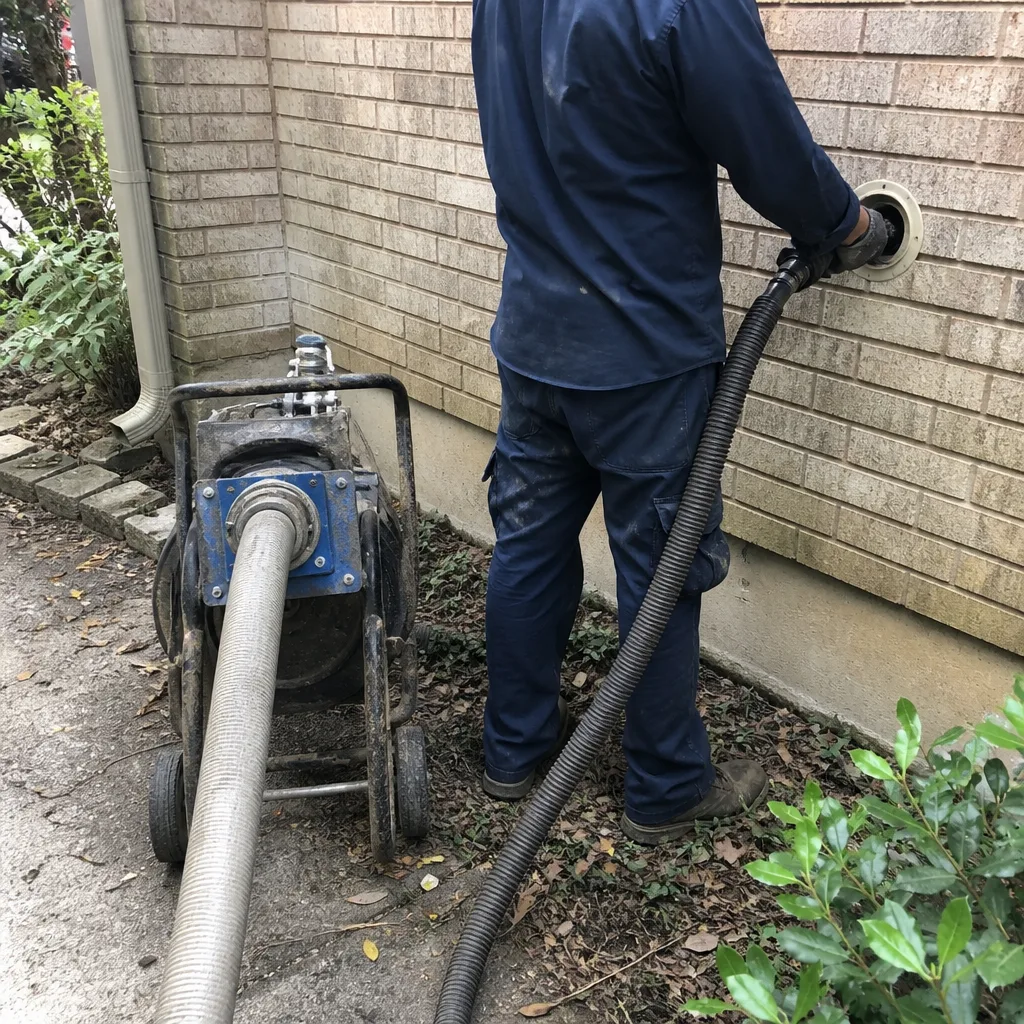 Before
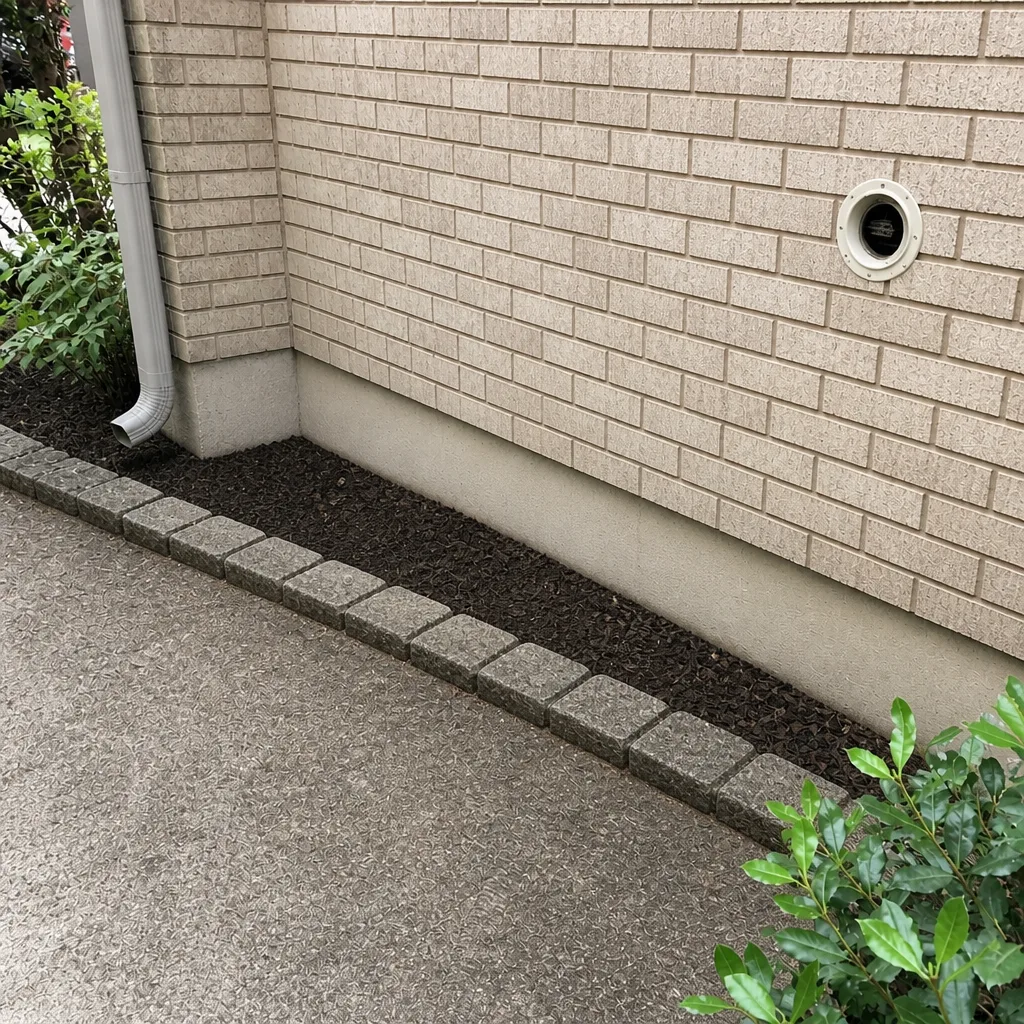 After
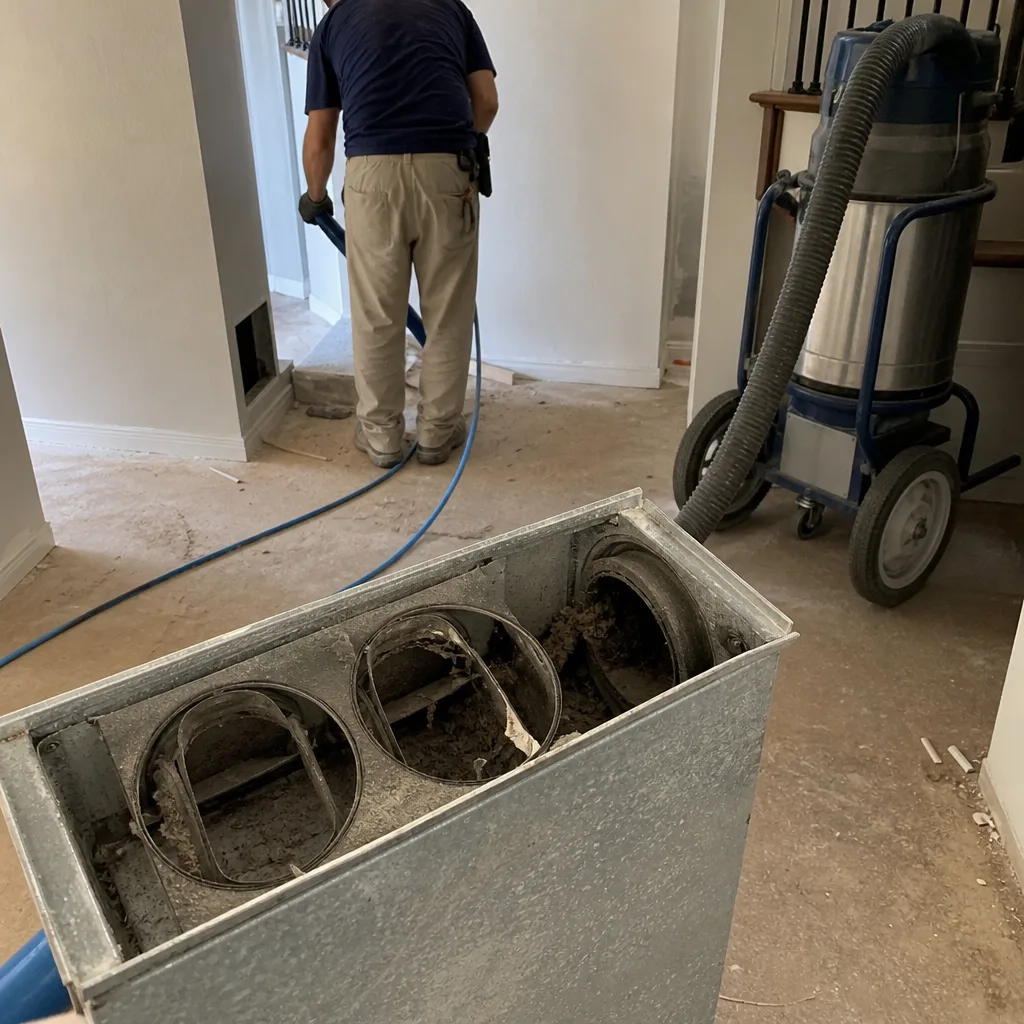 Before
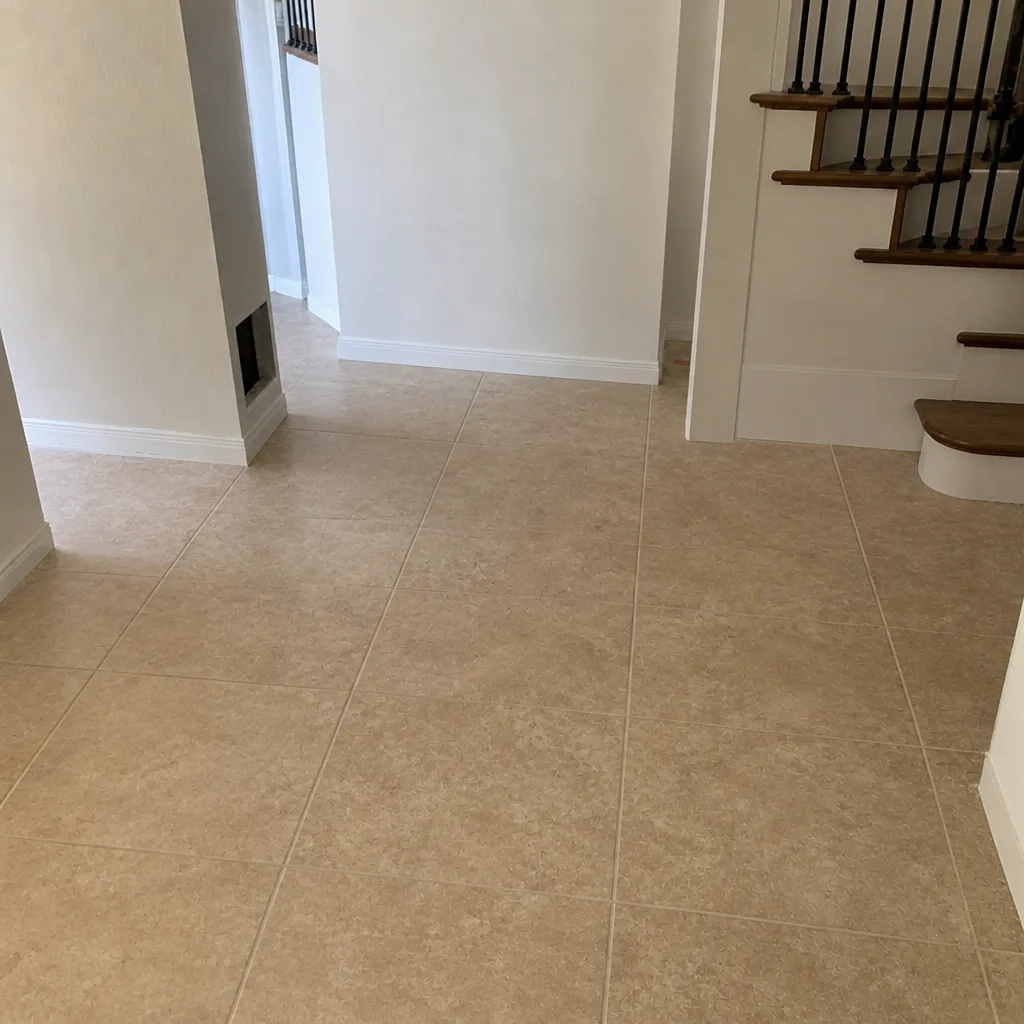 After
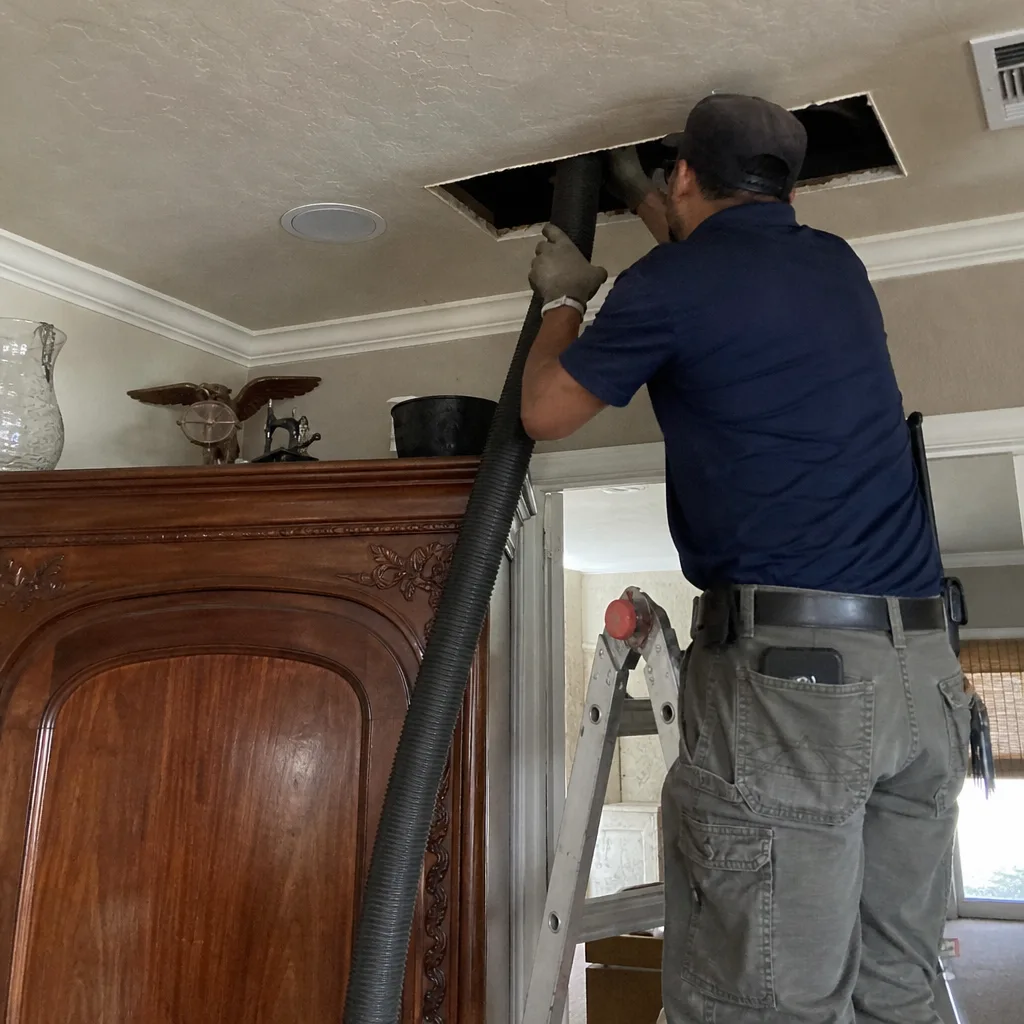 Before
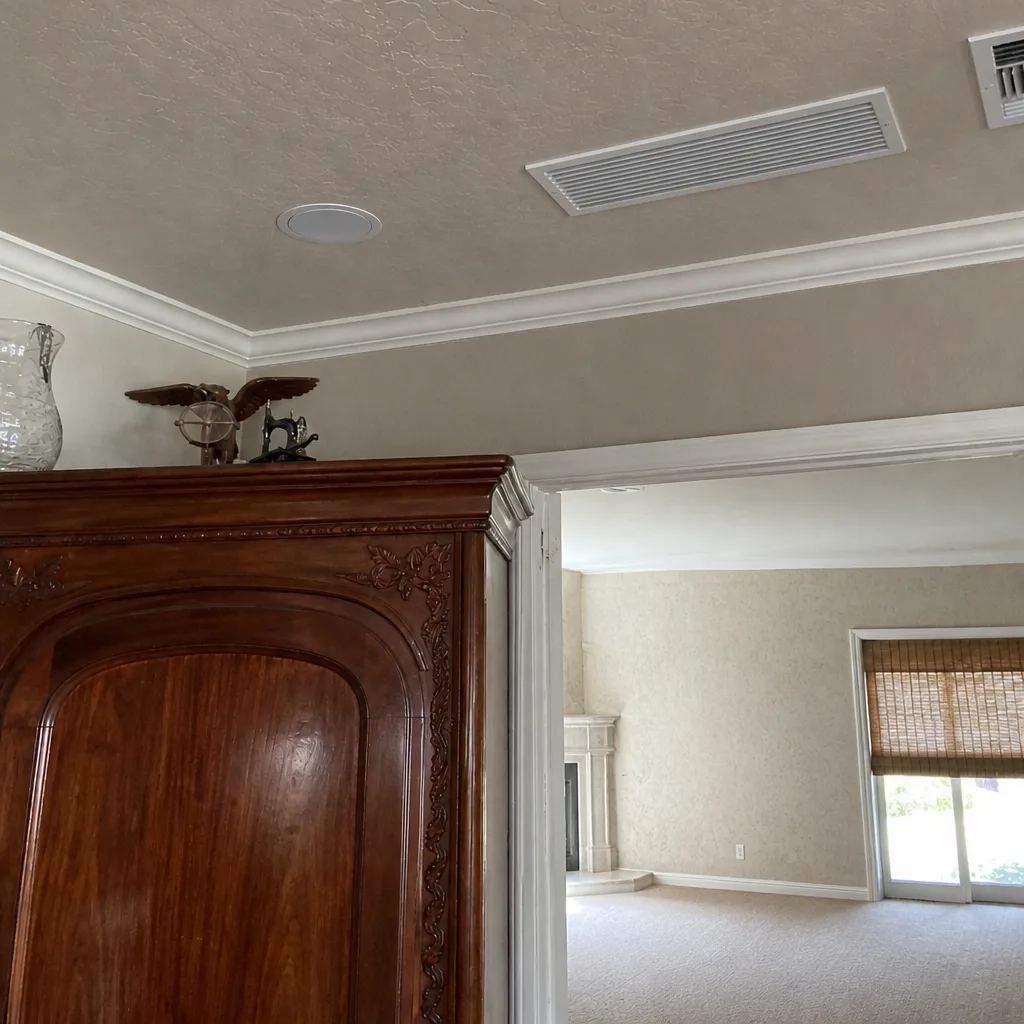 After
Frequently Asked Questions
Most single-system homes in Spring Branch fall between roughly $350 and $600, and larger or multi-zone systems run higher. The written estimate after a walkthrough sets the final price, and it’s priced per system rather than per vent. Call (855) 359-1727 for an exact quote. Estimates are free. We answer 24/7. Fast dispatch from 7am to 7pm, Sunday through Friday.
Because the scope is usually smaller than the description. A very low quote typically covers a surface vacuum pass rather than source removal with negative air and rotary brushing, or it’s priced as a lead-in that changes once the technician is on-site. Ask what equipment will be used and whether the price holds after the walkthrough. Call (855) 359-1727 and we’ll walk you through a written estimate, free of charge.
Ask for before-and-after photos of your own ducts, not stock images, and look at the collection vessel from the negative-air or HEPA unit. A real source-removal job takes machine time, and the evidence should be visible at your access points and in the documentation. Call (855) 359-1727 to book, and we’ll document the job from walkthrough to final photos.
For most Spring Branch homes, every few years is reasonable, but the schedule depends on the house. Pets, recent renovations, allergy concerns, and long cooling seasons with the windows closed all shorten the interval. A dirty return and a dirty coil feed each other, so it’s worth having both looked at together rather than guessing. Call (855) 359-1727 for a free assessment.
Yes, if you can. The dryer vent is a separate system from your HVAC ductwork, but it’s part of the same air pathway in your home, and clearing it in the same visit gives one crew a coherent view of both. It also addresses a fire-safety concern that most duct-cleaning-only operators don’t handle. Call (855) 359-1727 to combine both in one appointment.
Yes. Duct repair and sealing are offered in-house alongside cleaning, so a breach found during the job gets addressed on the same visit rather than after a second appointment with a different contractor. That’s a capability most duct-cleaning-only operators don’t have. Call (855) 359-1727 to discuss your system. We answer 24/7. Fast dispatch from 7am to 7pm, Sunday through Friday.
The Bottom Line
Hiring a duct cleaner in Spring Branch comes down to a short list of verifiable questions. What equipment will be in my home, and can I see it before work starts? Who holds the current NADCA ACR certification, and can I see it? Will I get a documented walkthrough, a written scope, and before-and-after photos of my own ducts? And can the same crew handle sealing, sanitizing, and the dryer line, so the full air pathway gets treated in one pass? Contractors who answer all of that with specifics are the ones worth booking. The ones who can’t are the reason this guide exists. See what’s actually inside your ducts – then decide.
Call (855) 359-1727 for a free estimate. We answer 24/7. Fast dispatch from 7am to 7pm, Sunday through Friday. We bring commercial-grade equipment to residential jobs, and the written estimate sets the price before work starts.
Written by the team at Air Duct Cleaning Spring Branch.