
Last updated November 25, 2026
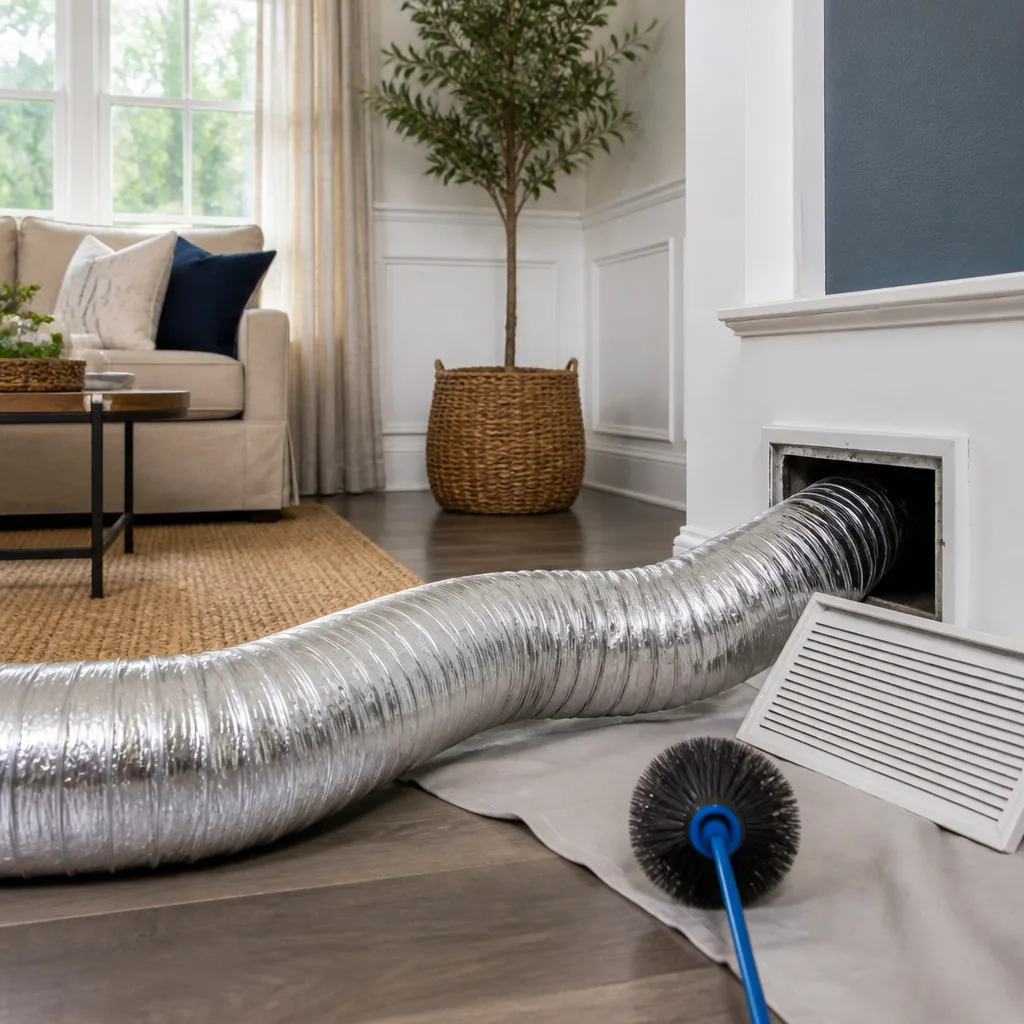 Whole-home duct cleaning
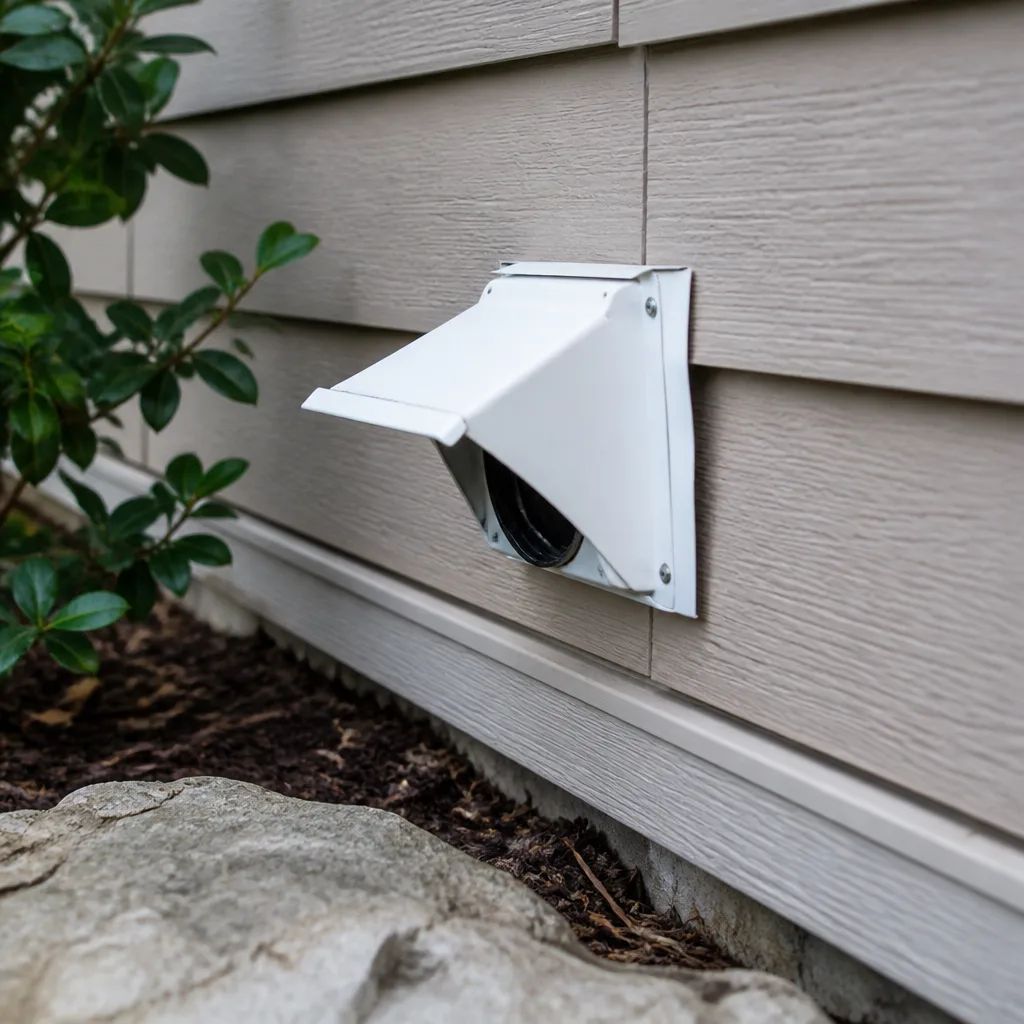 Dryer vent cleaning
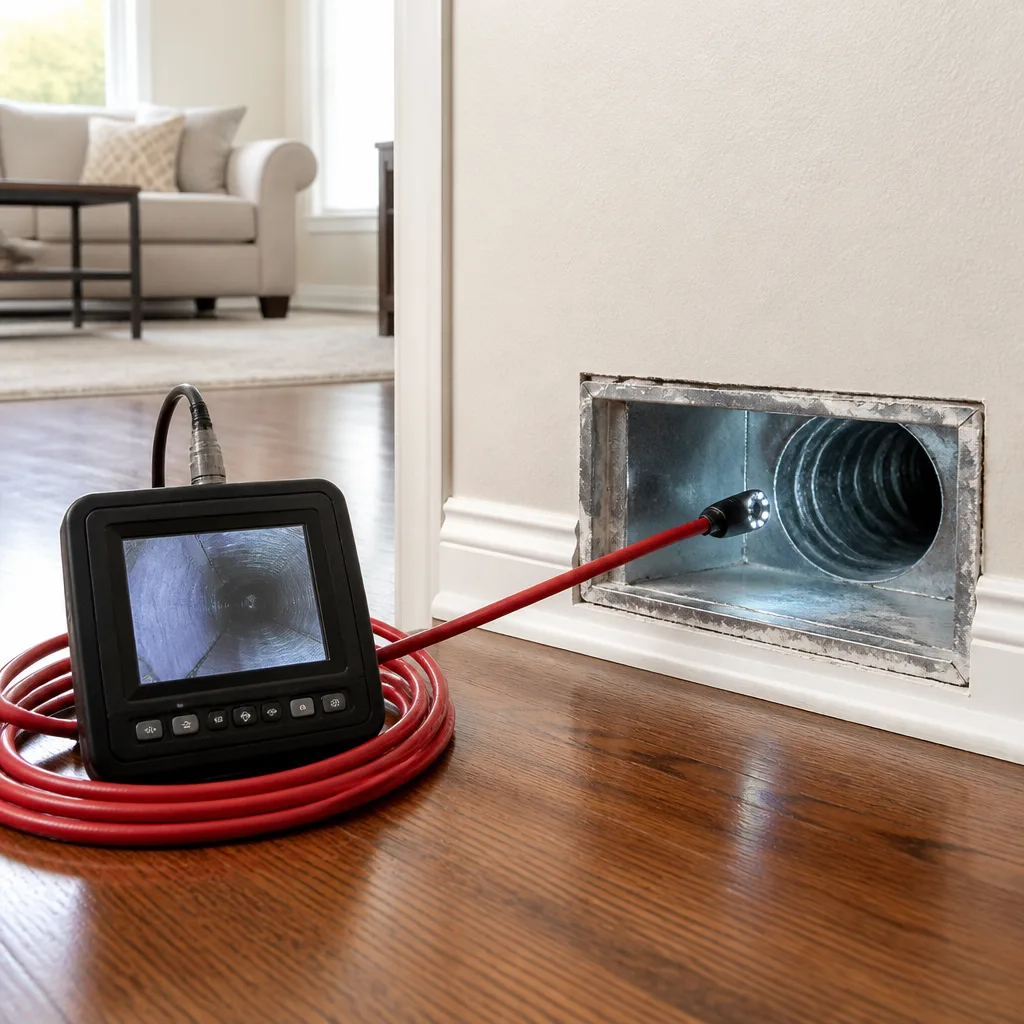 Camera inspection
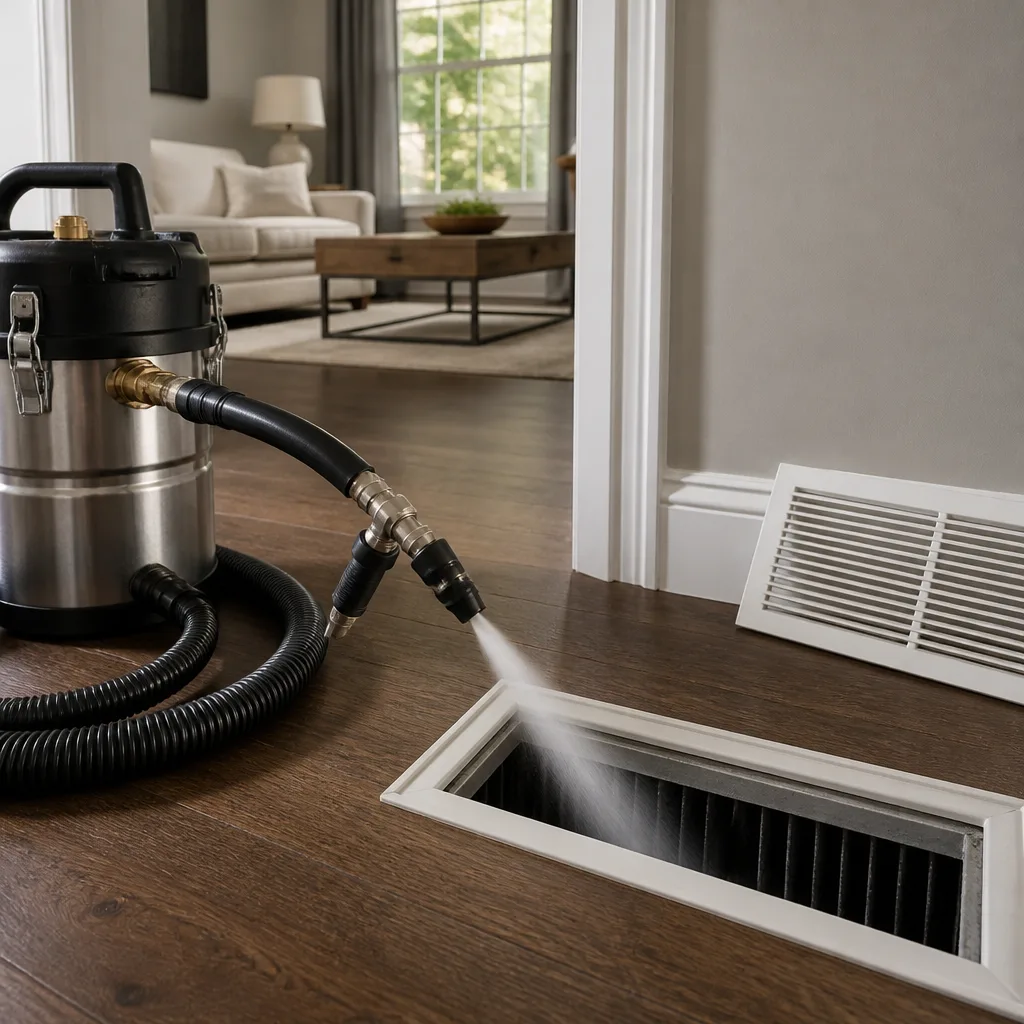 Sanitizing & deodorizing
Whole-system duct and dryer vent check with before-and-after photos - you see exactly what came out of your vents
That "$99 whole-house special" is a bait ad - the real number appears once they are in your hallway, or the "clean" is a shop-vac at the register. We photograph the inside of your ducts before and after instead.
Seasonal Air Duct Cleaning Care for Spring Branch: Year-Round Homeowner’s Guide
Most homeowners in Spring Branch assume their ducts are dirtiest in August, when the air conditioner has been running flat out for weeks. The opposite is closer to the truth. The heaviest contamination load often settles during the shoulder months, when airflow drops and fine particulate has time to fall out of suspension and coat the inside of the return plenum. Then October arrives, the system flips to heating, and all of that settled material gets lifted back into the air you breathe. Spring Branch’s climate doesn’t stress an HVAC system evenly across twelve months, and a cleaning schedule built around one annual visit misses the moments when contamination actually peaks. This guide walks through each season, what to inspect, and how to build a task calendar that fits your home’s construction and the age of your equipment.
Quick Answer
The best time to clean air ducts in Spring Branch is usually late spring, after cedar and oak pollen has finished, paired with a lighter inspection in early October before the system switches to heating mode. A single annual cleaning is not enough on its own – the highest-risk moments are the two seasonal transitions, when months of settled particulate get re-suspended. Build a twelve-month calendar around your system’s runtime pattern, not around a generic “once a year” reminder.
Styles & brands we work with
- Whole-home duct cleaning
- Dryer vent cleaning
- Camera inspection
- Sanitizing & deodorizing
Table of Contents
- Why Spring Branch’s Climate Demands a Seasonal Approach
- Spring (March-May): Post-Pollen Inspection Priorities
- Summer (June-September): Coil Condensation and Drain Monitoring
- Fall Transition (October): The Highest-Risk Restart Period
- Winter (December-February): Low Humidity and Duct Liner Wear
- Building a 12-Month Task Calendar for Your Home
- How Construction Type Changes the Schedule
- Signs You’ve Waited Too Long
Why Spring Branch’s Climate Demands a Seasonal Approach
Spring Branch sits in a band of Texas where the cooling season runs long and hard. From roughly May through October, the air conditioner operates close to continuously. Then comes a stretch in the shoulder months – typically late October into November, and again in early March – when the system runs intermittently, sometimes for only a few hours a day. That pattern matters more than most homeowners realize.
When airflow is high and constant, dust and particulate stay suspended and much of it gets captured by the filter. When airflow drops, the velocity inside the trunk line falls below the point where particles stay airborne. They settle. A return duct that looked clean in July can accumulate a visible film by the end of a mild October, simply because the air moving through it slowed down.
Then the first genuinely cool week arrives. The system switches to heating, the blower ramps up, and the settled layer gets lifted back into the airstream. That’s why the fall transition is the single most important inspection window of the year in Spring Branch – more important than peak summer, when the system is at least moving air at full velocity.
There’s a second local factor: pollen. The Hill Country corridor west of Spring Branch produces heavy cedar and oak output each spring, and the prevailing winds carry fine particulate across the area. Homes here pull that pollen in through return-air grilles whenever the system runs during peak season. It doesn’t all get caught by the filter, especially if the filter is a lower-MERV type or has been in place past its change interval.
What This Means in Practice
- The system’s runtime pattern, not the calendar date, drives contamination buildup.
- The two transition periods (spring and fall) are higher-risk than the peak seasons.
- A spring cleaning handles pollen load; a fall inspection handles the settled layer from the shoulder months.
- Filters do most of the work, but they can’t catch what settles in the ductwork itself.
Spring (March-May): Post-Pollen Inspection Priorities
Spring in Spring Branch is a two-part season. March and early April bring the heaviest pollen load, with cedar tapering off and oak peaking. By late April the worst is usually past, and by mid-May the system is running continuously again. That window between pollen season and full summer is the best time of year for a full cleaning.
Why? Because you want the ducts clean before the system starts its long continuous run. If you clean in February, you’ll simply re-contaminate through March and April. If you clean in July, you’ve already spent weeks circulating pollen through the system. Late April through May is the sweet spot.
What a Spring Inspection Should Cover
- Return-air grille condition. Pull the grille and look at the filter slot. Pollen accumulation on the slot edges tells you how much got past the filter.
- Filter type and change interval. A low-MERV filter lets more pollen through but restricts airflow less. A high-MERV filter catches more but needs more frequent changes during pollen season. Match the filter to your system’s static pressure rating.
- Visible dust on supply registers. Streaking around the supply boots suggests the duct interior has accumulated enough material to shed.
- Coil accessibility. The evaporator coil sits downstream of the return plenum. If pollen has bypassed the filter, it collects on the coil face and reduces heat transfer.
- Blower wheel condition. Dust on the blower wheel blades cuts airflow and throws the system out of balance.
Our technicians have up to 14 years of experience, and the pattern we see most often in Spring Branch is a spring coil that’s been running with a filter past its change interval. The cleaning itself is only half the job – the other half is identifying where the bypass is happening so you don’t repeat the problem next spring. That’s why we bring Rotobrush rotary brush systems to residential jobs; the brush action removes adhered material from duct walls that a vacuum alone won’t lift.
If you’re scheduling air duct cleaning for the first time in a while, aim for late April or May. It sets the system up clean for the long summer run.
Summer (June-September): Coil Condensation and Drain Monitoring
Summer is when the air conditioner in a Spring Branch home runs almost continuously – often eighteen to twenty hours a day during July and August. That continuous run does two things: it keeps more particulate suspended (good for filtration), and it produces a steady stream of condensate on the evaporator coil (a moisture source you need to watch).
You don’t need a full duct cleaning mid-summer if you did one in spring. What you do need is a monitoring routine. Here’s what to check, roughly monthly, from June through September.
The Summer Monitoring Checklist
- Drain pan and drain line. Check for standing water in the pan and slow drainage in the line. A partially clogged drain line can back up and introduce moisture into the duct system.
- Condensate smell. A musty odor near the air handler in mid-summer often points to biological growth on the coil or in the drain pan, not the ducts themselves.
- Filter change interval. In continuous-run mode, a filter loads faster. If you normally change every 90 days, consider 60 during peak summer in Spring Branch.
- Supply register condensation. Sweating registers suggest the system is running cold or the duct insulation has failed. That’s a duct repair issue, not a cleaning issue.
- Return-air suction. Weak suction at a return grille suggests a leak or blockage somewhere in the return path.
Mid-summer is also when leaks in the duct system become most expensive. A leak in an attic duct run during a 100-degree day pulls hot attic air into the system and forces the compressor to work harder. That’s why we offer duct repair and sealing in-house alongside cleaning – if we find a breach during a summer inspection, we can fix it on the same visit rather than sending you to a second contractor.
Fall Transition (October): The Highest-Risk Restart Period
This is the section that matters most. In our experience, the first cool week of October is when Spring Branch homeowners notice musty smells, increased dust on surfaces, and a spike in allergy symptoms. The system switches to heating mode after weeks of reduced runtime, and the settled layer from the shoulder months gets lifted.
What settled? Fine particulate that fell out of suspension when airflow dropped. Pollen that bypassed the filter. Skin cells, pet dander, and dust mites that accumulated on duct walls during low-velocity periods. None of it was a problem while it sat on the duct floor. All of it becomes a problem the moment the blower ramps up.
What a Pre-Heating-Season Inspection Should Include
- Full duct interior inspection with a camera. Visual confirmation of what’s actually inside the trunk and branch lines, not just the grilles.
- Return plenum check. The return plenum is where the heaviest settling happens. Inspect it first.
- Blower compartment. Dust on the blower wheel and housing tells you how much material is moving through the system.
- Heat exchanger visual check. If you have a gas furnace, the heat exchanger should be inspected by a qualified technician before heating season. This is a safety check, not a cleaning task.
- Filter and filter housing seal. A loose filter housing lets unfiltered air bypass into the system. That’s a common finding in older Spring Branch homes.
- Dryer vent condition. The dryer vent is structurally separate from the HVAC ducts but runs through the same hot, dry attic space in many homes. Fall is a good time to check it for lint buildup.
If the inspection finds contamination, we clean with Nikro negative-air machines and Abatement Technologies HEPA vacuums – the same equipment standard used in commercial remediation work. Negative air pressure keeps dust from migrating into the living space during the cleaning itself. Post-cleaning, Guardsman-branded sanitizing treatments handle the microbial load that visual inspection alone can’t confirm.
If you schedule one service this fall in Spring Branch, make it the pre-heating inspection. It’s the highest-value window on the calendar. For more on what a full fall service visit looks like, see our HVAC cleaning page.
Winter (December-February): Low Humidity and Duct Liner Wear
Winter in Spring Branch is mild, but the indoor air gets dry. Heating mode pulls moisture out of the air, and the low indoor humidity has two effects on the duct system that most homeowners don’t think about.
First, duct liner – the fibrous acoustic and thermal insulation bonded to the inside of many duct runs – becomes more brittle in low-humidity conditions. The adhesive holding the liner to the duct wall can dry out over time, and once the liner starts to delaminate, it sheds fibers into the airstream. Visual inspection during the winter months should specifically check for liner lifting at seams and joints.
Second, microbial growth inside the system goes dormant. Organisms that thrived in the humid summer conditions go into a low-activity state when the system runs dry heat. That doesn’t mean they’re gone – it means they’ll reactivate when humidity returns in spring. A winter sanitizing treatment, applied after a full cleaning, is more effective against a dormant load than against an actively growing one.
Winter Tasks Worth Doing
- Check liner condition at accessible joints. Lifting or fraying liner means replacement is likely cheaper than continued shedding.
- Inspect humidifier output if you have one. A whole-home humidifier helps offset low winter humidity, but its pad needs replacement each season to avoid becoming a contamination source.
- Consider Honeywell or Aprilaire filtration. Winter is a good time to upgrade filtration because you’re already thinking about indoor air quality. Aprilaire media cabinets and Honeywell electronic air cleaners install inline with the existing system and catch finer particulate than a standard 1-inch filter.
- Minimal-run periods are also a good time to check for leaks. A duct leak that’s hard to find in summer (because the system is always running and masking pressure differences) is easier to isolate in winter when the blower cycles on and off.
Building a 12-Month Task Calendar for Your Home
There’s no single calendar that fits every Spring Branch home. Construction type, system age, and occupancy all shift the schedule. Here’s a starting framework you can adapt.
The Base Calendar
- Early March: Change filter to a fresh higher-MERV type for pollen season. Note the date on the filter edge.
- Mid-April: Change filter after cedar and oak season. If the filter is visibly loaded with pollen, that’s your confirmation that bypass is happening somewhere.
- Late April to mid-May: Full duct cleaning and inspection. This is the primary cleaning window of the year.
- June through September: Monthly monitoring of drain pan, drain line, and filter. Change filter every 60 days in continuous-run mode.
- Early October: Pre-heating-season inspection. This is not a full cleaning unless the inspection finds contamination – it’s a targeted check of the return plenum, blower compartment, and heat exchanger.
- November: Change filter after the first heating cycle. Check duct liner at accessible joints.
- December through February: Address liner issues, upgrade filtration if needed, and check any whole-home humidifier.
- Ongoing: Dryer vent check once a year, ideally paired with the fall inspection. See our dryer vent cleaning page for the specific signs lint has built up.
Adjustments by System Age
- System under 10 years: Base calendar, with filter changes as the primary maintenance task.
- System 10-15 years: Annual cleaning in spring, plus a targeted fall inspection. Expect to find liner wear and small leaks.
- System over 15 years: Consider cleaning twice per year (spring and fall) and expect to schedule duct repair and sealing at some point. Older systems in Spring Branch often have unsealed joints and flexible duct runs that have degraded.
How Construction Type Changes the Schedule
Two homes on the same street in Spring Branch can need very different schedules because of how they were built. Here’s what we look for.
Homes with Attic Duct Runs
Most single-story homes in Spring Branch have ductwork running through an unconditioned attic. That attic reaches extreme temperatures in summer, which stresses duct insulation and seals. Attic-based systems need more frequent leak inspection than systems with ducts in conditioned space. Check the attic duct runs at least once in fall, before heating season, for disconnected joints, torn insulation, and loose tape.
Homes with Slab or Crawl Space Ducts
Some older construction routes ducts through a slab or crawl space. These systems tend to hold moisture longer, which accelerates biological growth and liner degradation. If your home has slab or crawl space ducts, plan on a winter sanitizing treatment as part of the annual schedule.
Newer Construction
Newer homes – particularly those built in the last decade – often have tighter envelopes and higher-efficiency systems with lower airflow. That combination makes filter performance more critical and cleaning more targeted. A newer home may not need the same cleaning frequency as an older one, but it needs more attention to filter bypass and duct sealing.
Renovation History
If you’ve renovated in the last two years, assume your ducts picked up construction dust regardless of how well the work area was sealed. A post-renovation cleaning in spring is worth scheduling even if the calendar says otherwise. Drywall dust is fine, abrasive, and settles deeper into the system than typical household dust.
Signs You’ve Waited Too Long
Spring Branch homeowners often ask how to tell whether the ducts need cleaning now versus at the next scheduled window. Here’s the short list.
- Visible dust streaks on supply registers within two weeks of cleaning the room. This means the ducts are shedding.
- Musty odor when the system first starts up, especially in October.
- Increased allergy symptoms that correlate with the system running.
- Filter loading faster than usual. If a filter that used to last 90 days is now loaded at 45, something upstream is shedding.
- High energy bills without an obvious cause. Leaks in the duct system or a contaminated coil force the compressor to work harder.
- Pet dander and hair on return grilles after a new pet arrives.
- Recent renovation with drywall or carpentry work.
Any one of those justifies an inspection. Two or more justify a full cleaning. Air Duct Cleaning Spring Branch offers free estimates, and our technicians have up to 14 years of experience diagnosing the source of contamination rather than just hauling out debris.
Common Mistakes to Avoid
- Scheduling cleaning in the middle of pollen season. Cleaning in March or early April means the ducts will refill with pollen within weeks. Wait until late April or May.
- Skipping the fall inspection because the spring cleaning was done. The fall transition is a different risk window. The contamination that settled during the shoulder months needs to be addressed before the heating switch.
- Assuming a new high-MERV filter solves everything. A filter is only as effective as the housing around it. Bypass around a loose housing lets unfiltered air into the system regardless of filter quality.
- Using a consumer-grade shop vacuum for duct cleaning. Shop vacuums don’t generate enough negative pressure to pull adhered material from duct walls, and they exhaust fine particulate back into the room. Professional equipment like Abatement Technologies HEPA units and Nikro negative-air machines exist because the job can’t be done well without them.
- Ignoring the dryer vent. The dryer vent is structurally separate from the HVAC ducts but carries its own contamination risk. Many homeowners in Spring Branch have never had theirs cleaned and assume it’s fine because the dryer still works.
- Cleaning without fixing the leaks found. Cleaning is step one. Sealing the leaks is how you keep it clean. If your HVAC contractor cleans and leaves without addressing leaks, the ducts will re-contaminate faster than they should.
- Following a generic annual reminder calendar. Spring Branch’s climate has two distinct transition windows that an annual reminder misses. Build the calendar around your system’s runtime pattern, not a marketing email.
See the difference
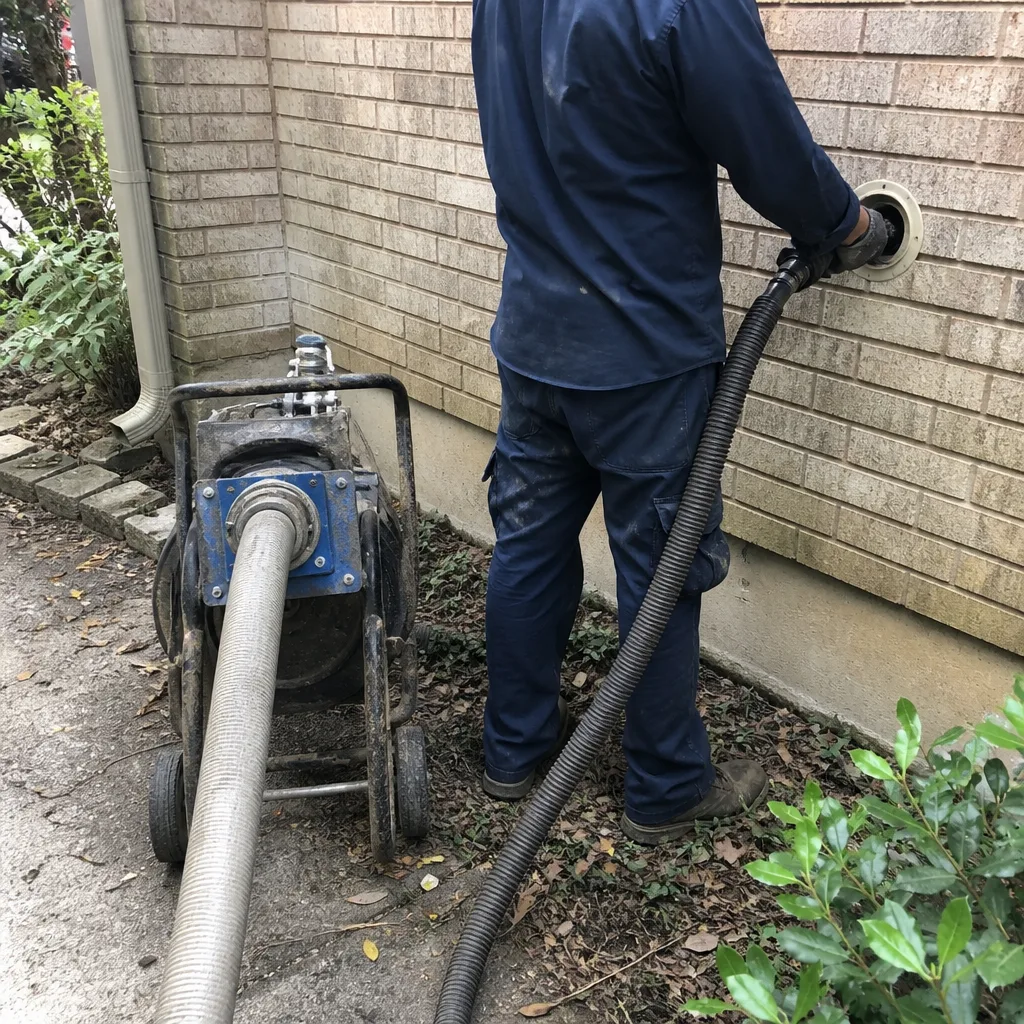 Before
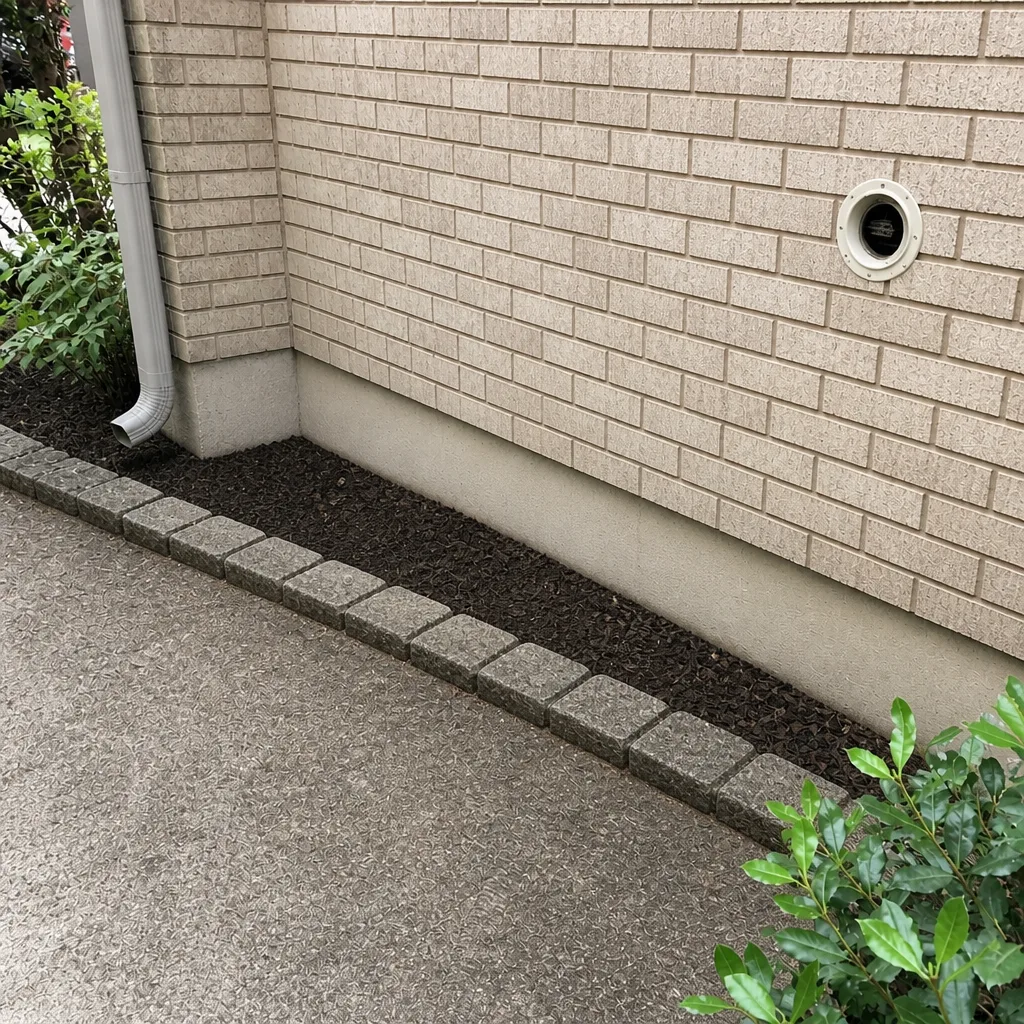 After
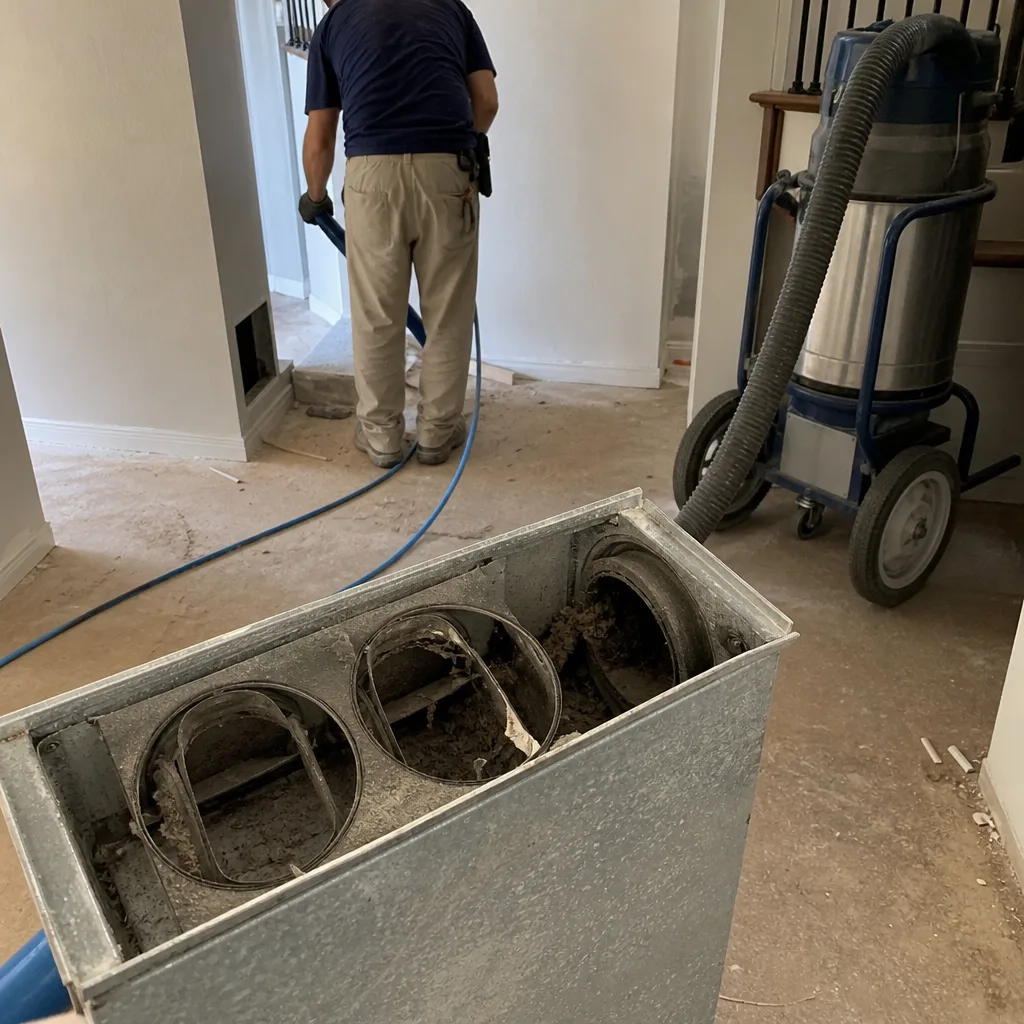 Before
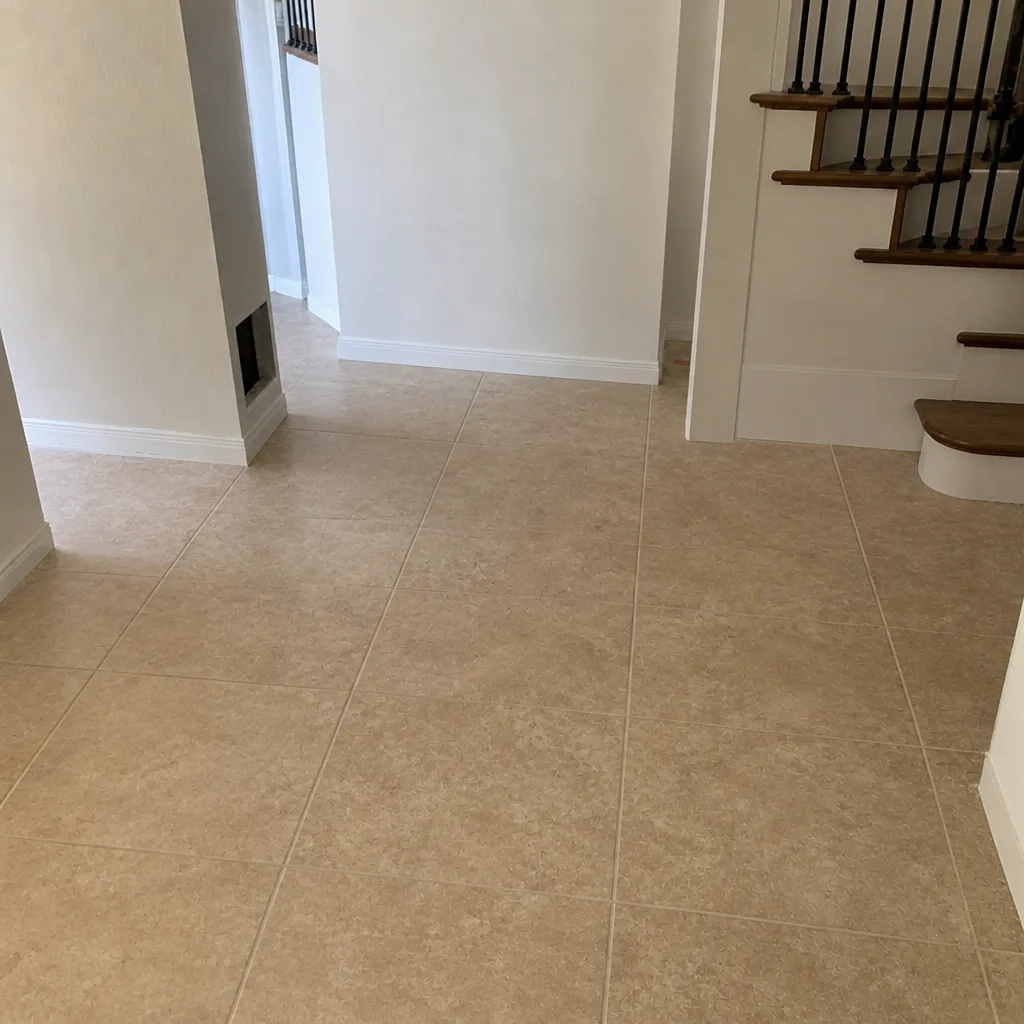 After
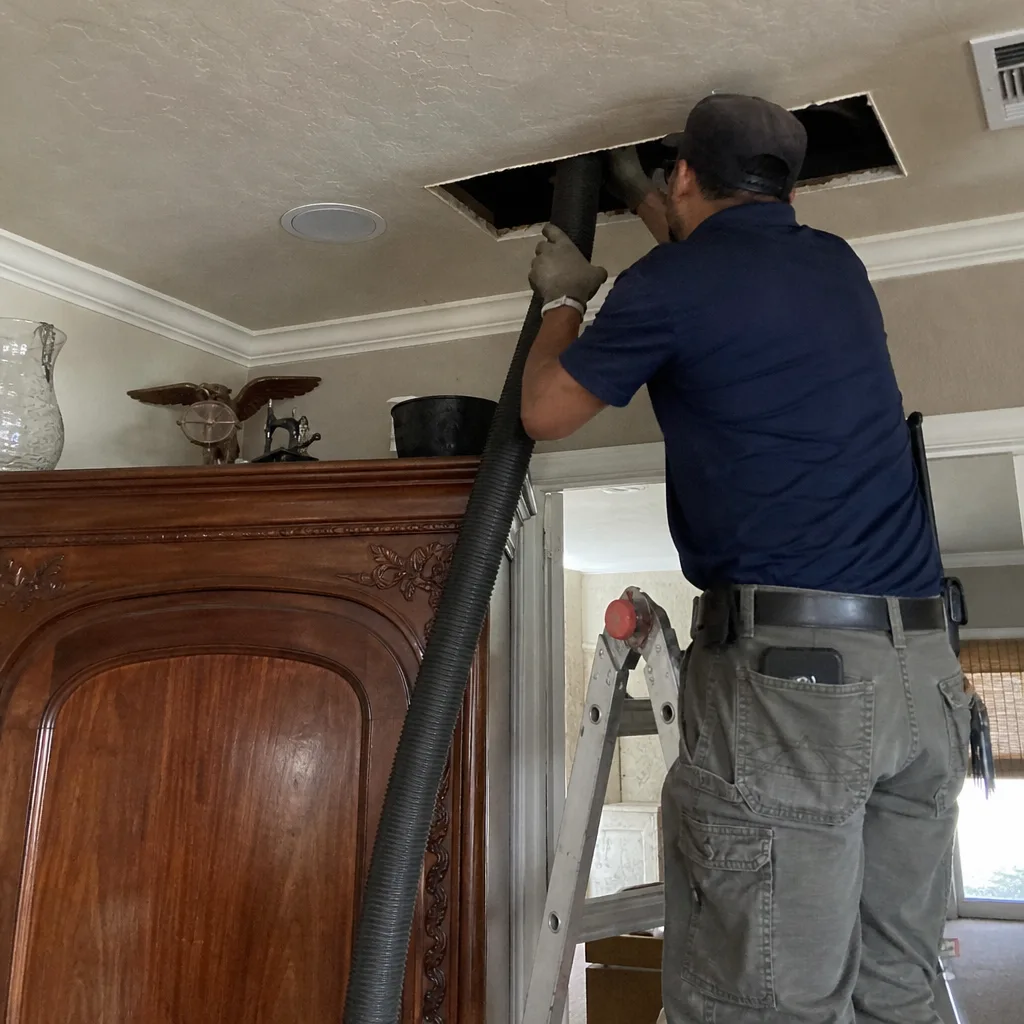 Before
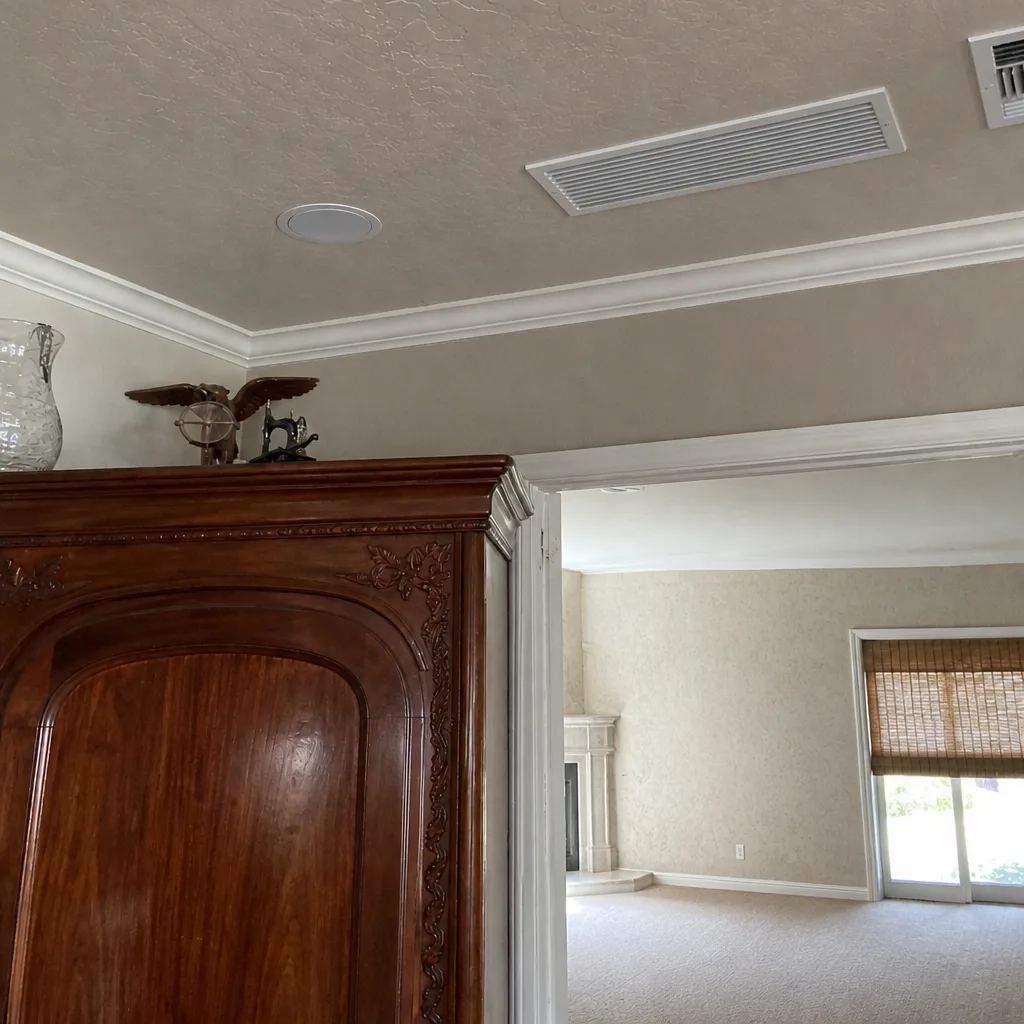 After
When to Call a Professional
Some tasks belong in a homeowner’s routine: filter changes, monthly drain pan checks, and visual inspection at accessible joints. Others should be handled by a trained technician. Call when you notice a musty odor that returns every time the system starts, when a filter loads faster than it used to, after a renovation that produced significant drywall dust, or when you can’t remember the last time the system was cleaned. Call also if you’ve noticed a spike in allergy symptoms that correlates with the HVAC system, or if you have a new pet whose hair is showing up on return grilles. High-tension springs, electrical components in the air handler, and gas heat exchangers are not homeowner territory – leave those to a trained professional. Air Duct Cleaning Spring Branch offers free estimates in Spring Branch – call (855) 359-1727. We answer 24/7. Fast dispatch from 7am to 7pm, Sunday through Friday.
Frequently Asked Questions
Once a year is the baseline for most Spring Branch homes, scheduled in late April or May after pollen season. Homes with older systems, slab or crawl space ductwork, or recent renovations often benefit from a spring cleaning plus a fall inspection, effectively a twice-yearly schedule. The right frequency depends more on your system’s runtime pattern and construction type than on the calendar alone.
Late April through mid-May is the best window for a full cleaning, because pollen season has finished and the system hasn’t yet started its continuous summer run. The second-best window is early October, for a pre-heating inspection – but that’s more often an inspection than a full cleaning unless the inspection finds contamination. Call (855) 359-1727 for an exact quote – estimates are free.
The first cool week of October is the highest-risk restart period because the system switches to heating mode after weeks of reduced runtime. During the low-airflow shoulder months, fine particulate settles on the duct walls. When the blower ramps up for the heating season, that settled material gets re-suspended into the airstream. It’s not that the duct got dirtier in October – it’s that the dirt that was already there becomes airborne.
Yes. The Hill Country corridor west of Spring Branch produces heavy cedar and oak output each spring, and prevailing winds carry fine pollen particulate across the area. Homes here pull pollen in through return-air grilles whenever the system runs during peak season, and pollen that bypasses the filter settles in the ductwork. A late-spring cleaning after cedar and oak have finished is the most effective way to clear it.
Air duct cleaning in Spring Branch is priced per system by a written estimate rather than per vent or per hour, and the total depends on system size, accessibility, and whether repair or sealing is needed. A full-system cleaning is quoted as a flat price agreed before work starts, so there’s no surprise when the technician is on site. Call (855) 359-1727 for an exact quote – estimates are free.
A spring cleaning typically holds through the summer if the filter change interval is maintained and no duct leaks are pulling unfiltered air into the system. Mid-summer service is usually a filter change and drain pan check rather than a second full cleaning. If you notice a musty odor or reduced airflow mid-summer, that’s worth a call – see what’s actually inside your ducts, then decide.
The Bottom Line
Spring Branch’s climate doesn’t distribute HVAC stress evenly across the year, and the two transition windows – spring and fall – create contamination risks that peak-season cleaning misses. The most important single window is the fall transition, when settled particulate from the shoulder months re-suspends on the first heating cycle. The best full-cleaning window is late April through mid-May, after cedar and oak pollen has finished. Build a calendar around your construction type and system age. Keep filter changes tight during continuous-run periods. Inspect the drain pan monthly in summer. Check liner condition and consider filtration upgrades in winter. If you’ve been skipping seasonal transitions, call (855) 359-1727 for a free estimate. We answer 24/7. Fast dispatch from 7am to 7pm, Sunday through Friday.
Written by the team at Air Duct Cleaning Spring Branch.