
Last updated November 25, 2026
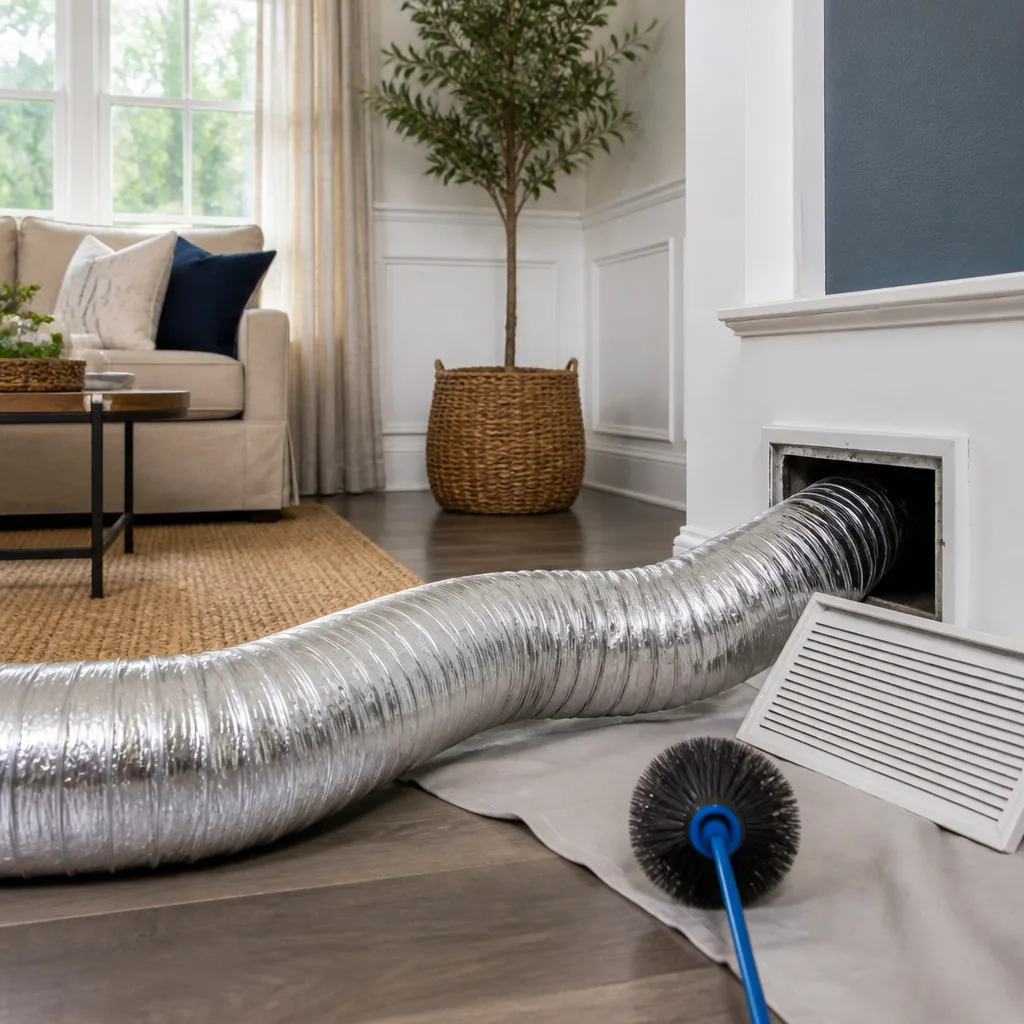 Whole-home duct cleaning
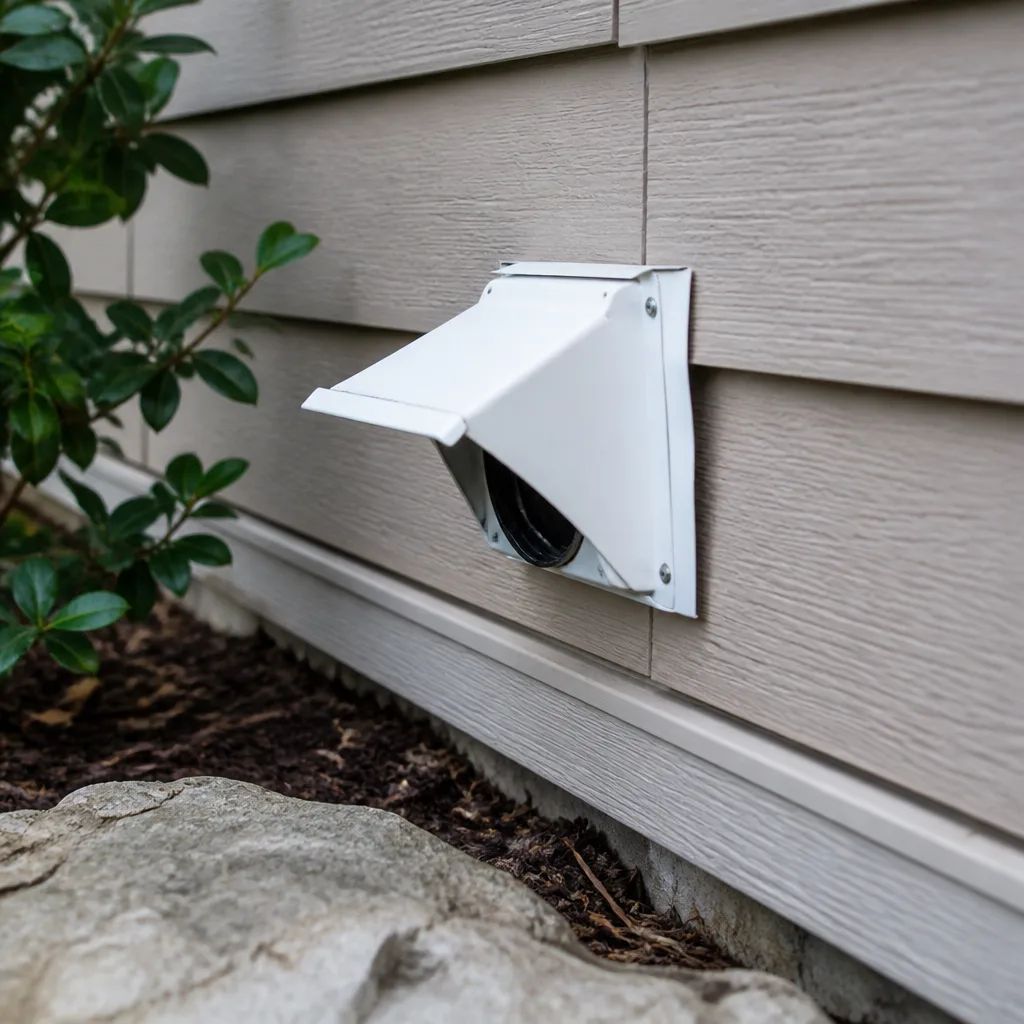 Dryer vent cleaning
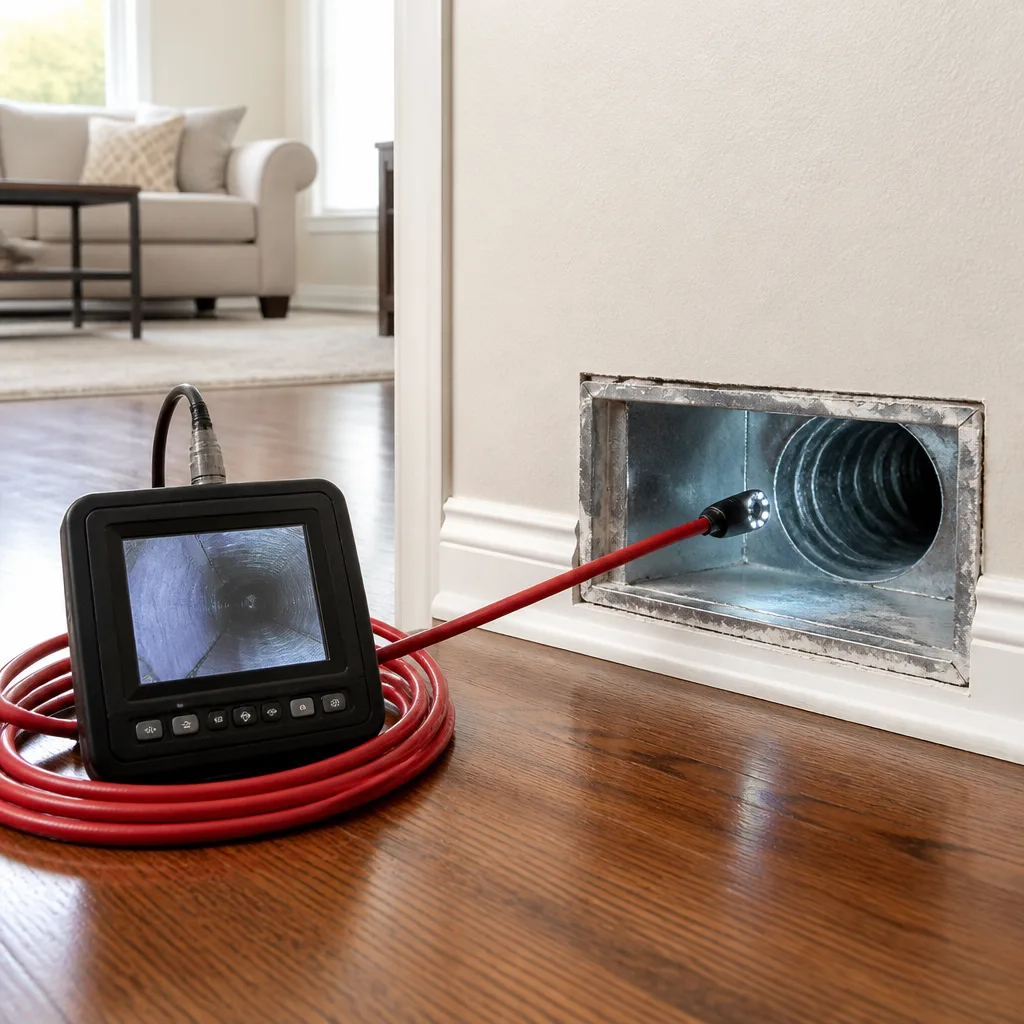 Camera inspection
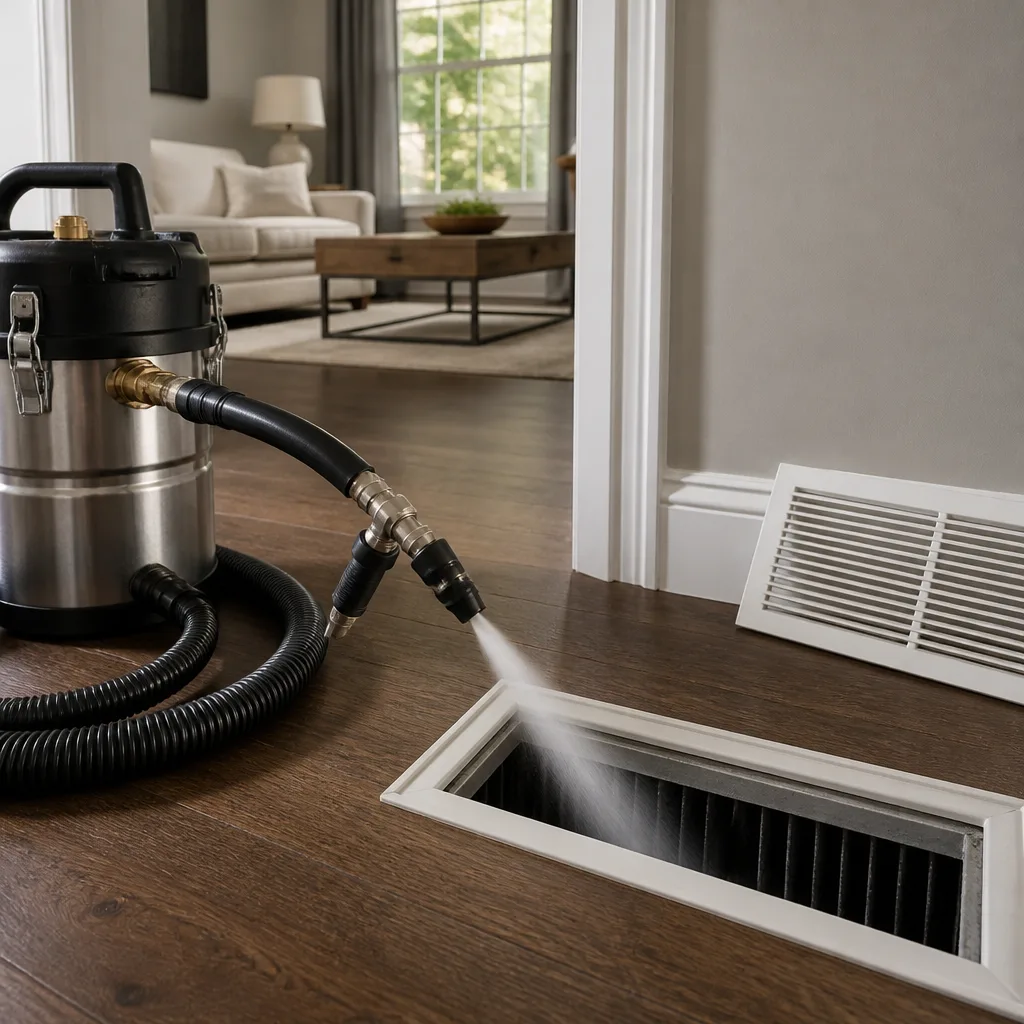 Sanitizing & deodorizing
Whole-system duct and dryer vent check with before-and-after photos - you see exactly what came out of your vents
That "$99 whole-house special" is a bait ad - the real number appears once they are in your hallway, or the "clean" is a shop-vac at the register. We photograph the inside of your ducts before and after instead.
Air Duct Cleaning Emergency Preparedness Guide for Spring Branch Homes
The most dangerous duct problem after a disaster is the one you can’t see. Water that touched the air handler, smoke pulled in through a return grille, or humid air sitting in a system that lost power will not always leave obvious signs. But once the blower starts pushing air through contaminated ductwork, a settled problem becomes an active one, spread into every room. Knowing which emergencies need immediate attention and which can wait a day for a measured response is the whole point of this guide. You’ll learn the timelines, the decision points, and how to vet a contractor under pressure here in Spring Branch.
Quick Answer
After water intrusion, wildfire smoke, or a prolonged power outage, the duct system has a 48 to 72 hour assessment window before contamination spreads through the whole house. Ductwork that had standing water contact at the air handler needs professional assessment before the system runs; smoke infiltration and dust loading usually allow a scheduled cleaning. In Spring Branch, the humid climate makes microbial growth inside ducts the main concern after any water event or long system-off period.
Styles & brands we work with
- Whole-home duct cleaning
- Dryer vent cleaning
- Camera inspection
- Sanitizing & deodorizing
Table of Contents
- Flood and Water Intrusion: The 48-72 Hour Window
- Freeze Events: Duct Insulation vs. Duct Lining
- Wildfire Smoke Infiltration and Fine Particulate
- Power Outages and Long No-Airflow Windows
- How to Vet a Duct Company Under Pressure
- Emergency Triage: What Needs Immediate Action
- Preparedness Checklist Before the Next Event
- What Contaminated Duct Work Costs in Spring Branch
Flood and Water Intrusion: The 48-72 Hour Window
The 48 to 72 hour window matters because water damage inside a duct system follows a predictable curve. In the first two days, water sits in insulation, on the lining, and in the air handler cabinet. After that, in Spring Branch’s humidity, microbial growth starts and the system becomes a distribution network for spores rather than a neutral vessel. Running the blower during that window pushes moisture and particulate into the supply runs and into the rooms at the end of them.
Here’s what typically happens after a water event reaches the air handler or any portion of the ductwork:
- Water contact is identified at the air handler or supply trunk. The system should stay off until someone has assessed the interior of the cabinet and the nearest runs.
- Contamination is verified. A technician opens access points and inspects for standing water, saturated insulation, and visible growth. This is not a job for a flashlight through a register.
- Affected material is removed or dried and treated. Saturated fiberglass insulation inside an air handler or duct wrap typically cannot be dried effectively and has to come out rather than be treated in place.
- The full system is cleaned and sanitized. Guardsman-branded sanitizing treatments are applied after cleaning so the process is documented and traceable, not a generic spray.
- Leaks are sealed and the system is verified. A breach found during cleaning is repaired the same visit, which is where an in-house air duct cleaning and repair scope makes the difference.
The mistake many homeowners make is turning the system back on to “dry things out.” That’s how a localized water problem turns into a whole-house contamination event. Get the assessment first; the drying and treatment decisions come after.
Freeze Events: Duct Insulation vs. Duct Lining
Winter here is mild, so most of the freeze-event damage we see discussed in Spring Branch comes indirectly, through a burst line or an attic water event rather than from ductwork freezing. The key distinction for a homeowner is that duct insulation and duct lining behave very differently when they get wet. Fiberglass wrap insulation around a flex duct or a trunk line absorbs water and holds it against the duct surface. Duct lining, the interior acoustic and thermal layer inside sheet metal, may wet at the surface but is not the same sponge.
That difference matters for decisions:
- Wet insulation usually means removal. Saturated wrap doesn’t dry in place well and holds moisture against the duct, feeding growth on the outside surface and eventually at the seams.
- Wet lining can often be cleaned and dried if it hasn’t been sitting wet for days and if the underlying metal is intact.
- Attic water damage needs a full attic-side inspection of the duct runs and the air handler, not just the visible trunk.
- Condensation on cold duct surfaces during a short cold snap plus high indoor humidity can leave moisture where none was expected.
A technician with the right equipment can tell the difference during a single inspection. A generalist with a shop vacuum cannot. This is one place where bringing commercial-grade gear to a residential job matters. We use Rotobrush rotary brush systems and Abatement Technologies HEPA vacuums because the interior of ductwork is not something a consumer-grade vacuum reaches effectively.
Wildfire Smoke Infiltration and Fine Particulate
Wildfire smoke from regional burn events, including those in the Hill Country west of Spring Branch, doesn’t just pass through the house. It gets pulled into the return-air system, and the fine particulate in smoke is a very different load than household dust. The particles that make smoke visible and irritating are small enough to pass through ordinary filters and settle on duct surfaces and in the air handler, which is why a standard dust cleaning protocol doesn’t fully address them.
What a smoke-remediation cleaning looks like:
- Source-side assessment. The filter, the return plenum, and the air handler cabinet are inspected first, because that’s where smoke particulate concentrates.
- HEPA vacuuming of the full system. Negative-air and HEPA equipment capture fine particulate rather than agitating it back into the room. We run Abatement Technologies HEPA equipment for this reason.
- Filtration review. A filter that was adequate before a smoke event may not be the right one afterward. Honeywell and Aprilaire filtration products, properly installed, address the source rather than just removing the visible debris.
- Sanitizing where indicated. Post-cleaning treatment with Guardsman-branded products helps address odors and surface conditions left behind.
- Sealing. Gaps and leaks found during the job are sealed so future smoke events don’t infiltrate as easily.
If your ducts haven’t been cleaned in a while, the smoke event is a good trigger. Our guide to HVAC cleaning explains how the air handler and coil are handled alongside the ductwork in the same visit.
Power Outages and Long No-Airflow Windows
When the air conditioning is off for an extended period in Spring Branch’s humidity, the conditions inside ductwork change. Standing moisture has nowhere to evaporate to, and any surface contamination has the time and humidity it needs to develop. A long no-airflow window is the quiet version of a water event: nothing looks wrong, but the interior of the system has been sitting wet and warm.
What to check before restarting the system after an extended outage:
- Any musty smell at a register when the system first starts, which is a sign of active growth.
- Visible moisture or staining around the air handler or at duct seams.
- Condensation on the air handler cabinet after power returns, which can signal an underlying drainage or insulation problem.
- The filter condition. A filter that was loaded before the outage should be replaced before restart, not after.
If everything is dry and there’s no odor, restarting is fine. If a musty smell appears, shut the system down and have the interior inspected before running it again. A single post-outage inspection is far cheaper than a full remediation after two weeks of running contaminated air.
How to Vet a Duct Company Under Pressure
Post-disaster contractor vetting happens under stress, which is exactly when bad actors show up. The practical test is to ask three questions and require concrete answers. A competent company answers all three without hesitation.
- What equipment will you bring? A legitimate duct-cleaning job requires rotary brushing and HEPA-grade negative-air vacuuming. Ask for the brands. Rotobrush and Nikro are industry-recognized professional systems; a shop vacuum and a hose is not. The local pro we connect you with is licensed and insured as their state requires, and the technician should be able to describe the equipment without being prompted.
- What’s the price, and is it per system or per vent? A per-vent quote is the classic setup for a bait-and-switch. Ask for one flat price per system, agreed before work starts, based on what’s actually in the ductwork.
- Will you show me the before-and-after photos? A real job produces real photos of your own ducts. Ask to see them; a company that can’t produce them has a problem.
Two additional checks help in a disaster scenario. Ask whether they offer repair and sealing in-house, since a leak found during cleaning that requires a second contractor means the system sits open longer. And ask what sanitizing product they use. Guardsman-branded treatment is named and traceable; a generic “antimicrobial spray” is not.
Emergency Triage: What Needs Immediate Action
Not every air quality event is an emergency. Knowing the difference prevents both over-reaction (paying for a post-disaster cleaning you didn’t need) and under-reaction (letting a contaminated system distribute for weeks). Here’s how to triage:
Immediate action (same-day assessment)
- Standing water contact at the air handler or supply trunk.
- A musty or moldy smell from a register, especially right after a water event.
- Visible growth inside a register boot or on the air handler cabinet.
- Heavy smoke infiltration from a nearby burn event with occupants who have respiratory conditions.
Scheduled action (within a few days)
- Light smoke infiltration with no odor complaint, after a regional burn event.
- Dust or debris visible on registers after a renovation.
- Post-outage restart with no odor and no visible moisture.
Monitoring only
- No visible moisture, no odor, and a functioning filter after an outage or a minor water event that didn’t reach the system.
When in doubt, phone it in. We answer 24/7. Fast dispatch from 7am to 7pm, Sunday through Friday. Use the call to get an actual assessment, not a guess.
Preparedness Checklist Before the Next Event
The best time to prepare for a duct emergency is when nothing is wrong. This is the checklist we’d give a Spring Branch homeowner today, before the next event:
- Know where your air handler is and how to shut the system off. If water or smoke reaches the system, the first move is the off switch.
- Photograph the inside of your registers now. A baseline photo makes it much easier to see what changed after an event.
- Learn your filter size. Keep a spare on hand so you’re not making a store run in the middle of a water event.
- Schedule a full-system cleaning if it’s overdue. A clean system has far less to feed on when moisture arrives.
- Have the dryer vent checked. It’s a separate fire-safety risk from HVAC ductwork, and dryer vent cleaning is part of the same whole-home air pathway.
- Fix known leaks and gaps. Duct repair and sealing is cheaper as maintenance than as emergency repair.
- Write down the number of a duct company you trust. Not the one that shows up uninvited after a storm.
One visit covers the full air pathway: ducts, vents, and the dryer line. Getting those on a regular schedule makes every future emergency smaller.
What Contaminated Duct Work Costs in Spring Branch
Pricing for post-disaster ductwork is not one number because the scope varies enormously. A standard cleaning after smoke infiltration is a different job from a full remediation after water contact at the air handler. The ranges below are typical estimates for the categories a Spring Branch homeowner is likely to face; the written estimate sets the final price for your specific system.
| Scope | Typical estimated range |
|---|---|
| Standard full-system air duct cleaning | $300-$600 |
| Post-smoke cleaning with HEPA protocol | $400-$800 |
| Post-water remediation with sanitizing | $600-$1,500+ |
| Duct repair and sealing (per affected area) | $250-$600 |
| Dryer vent cleaning | $100-$200 |
Two caveats on pricing. First, per-vent pricing is a red flag. One flat price per system agreed up front is the only reliable structure. Second, “cheap” post-disaster cleaning is usually cheap because it skips the HEPA step, the sanitizing, or the verification. Those are the parts that actually address contamination. Call (855) 359-1727 for an exact quote on your situation – estimates are free.
Common Mistakes to Avoid
- Running the system to “dry out” after water contact. The blower distributes moisture and particulate into every room. Get the assessment first; the system stays off until then.
- Treating duct insulation and duct lining the same way. Wet wrap insulation usually has to go; wet lining can often be cleaned and dried. A generalist who doesn’t know the difference will make the wrong call.
- Skipping the air handler during a smoke cleanup. Smoke particulate concentrates at the return and the cabinet. Cleaning only the ducts leaves the source in place.
- Restarting after an outage without checking for odor. A musty smell at a register is the first sign of growth, and running the system spreads it. Shut it off and get an inspection.
- Accepting a per-vent quote after a storm. In a disaster market, per-vent pricing is where the bait-and-switch starts. Demand one flat price per system, before work starts.
- Not asking for before-and-after photos. If the company can’t show you your own ducts after the work, you have no way to verify the job happened.
- Over-reacting to a light smoke event or under-reacting to standing water. Both have a cost. Triage carefully: water contact and musty odor are same-day calls; light smoke with no odor can wait for a scheduled cleaning.
See the difference
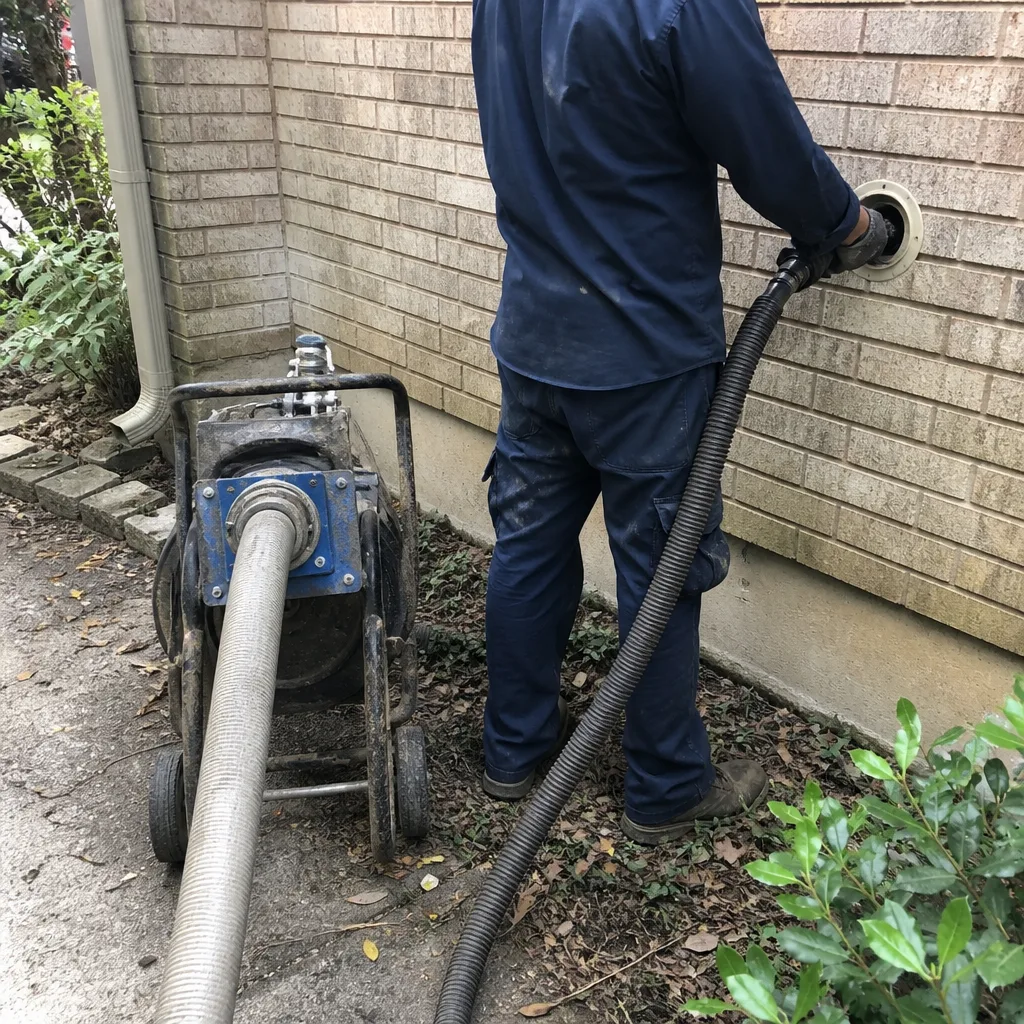 Before
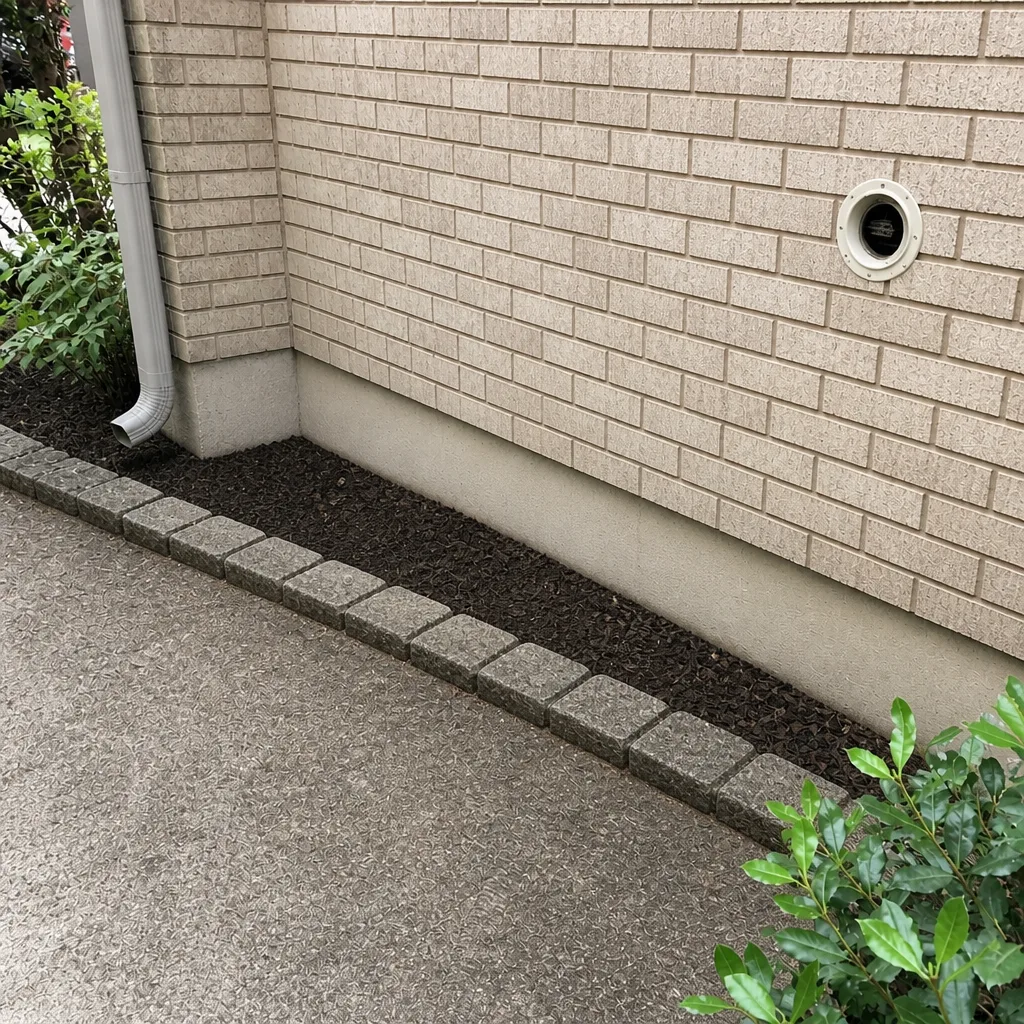 After
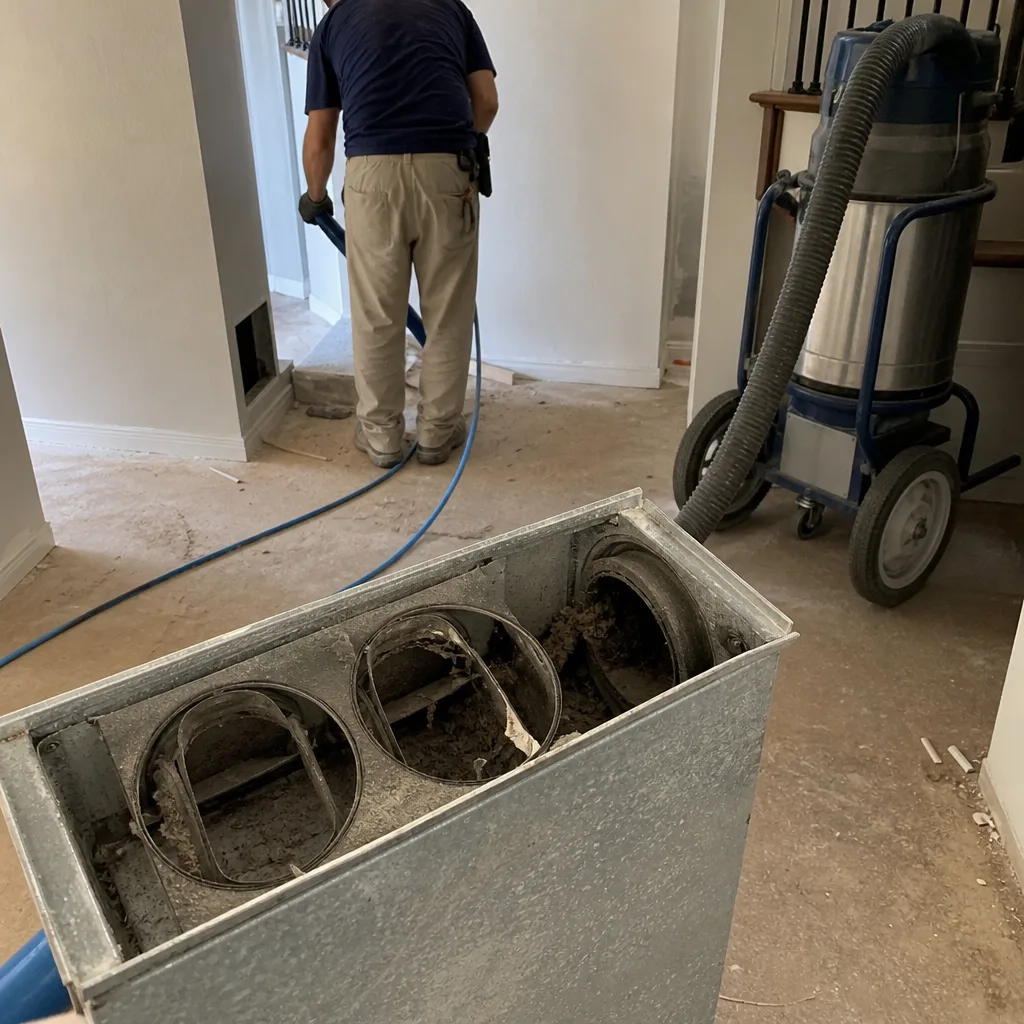 Before
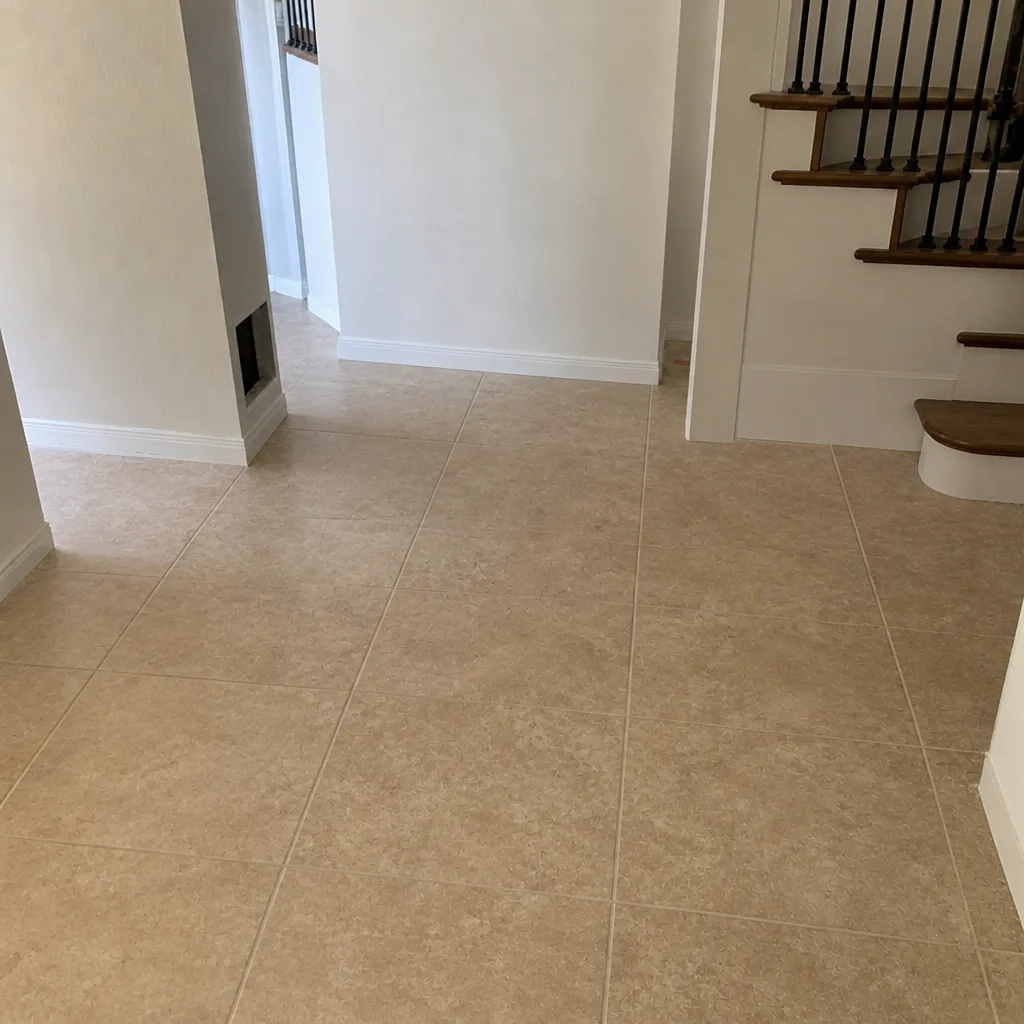 After
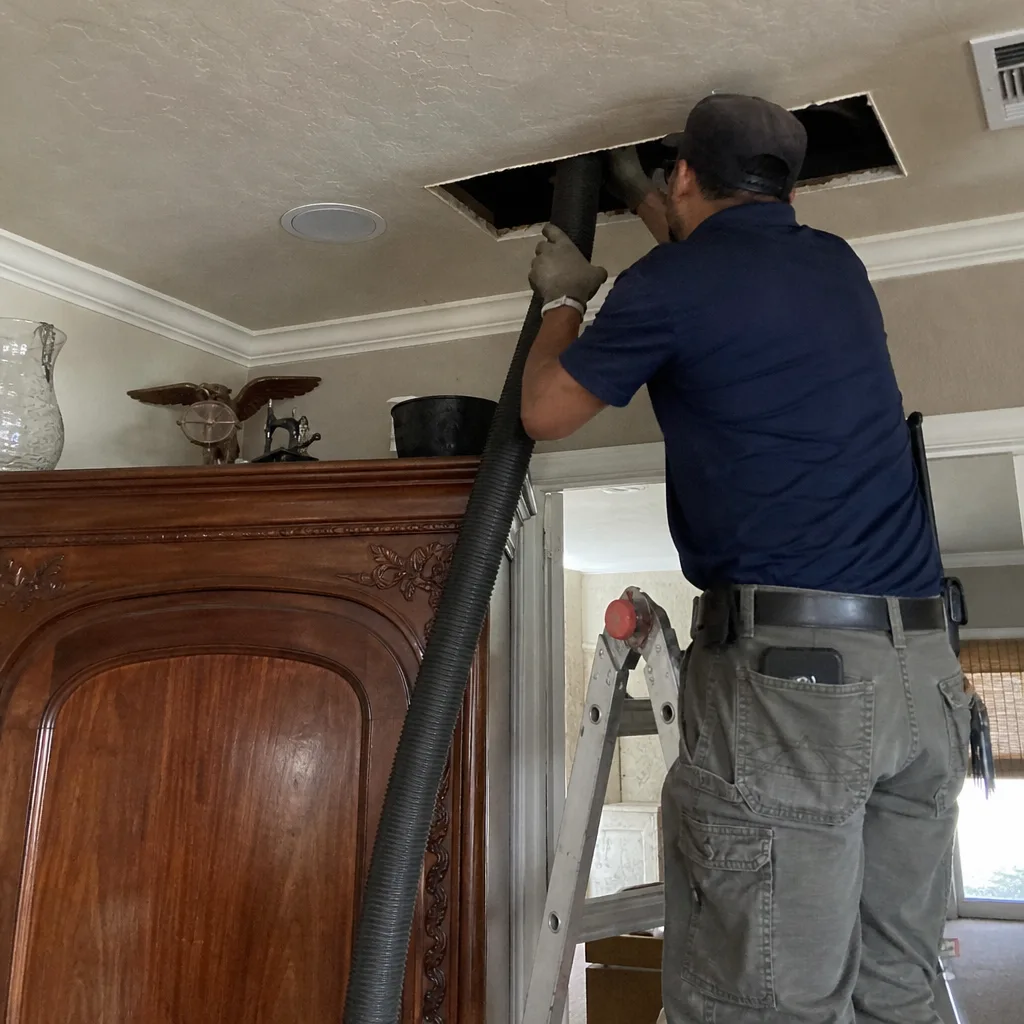 Before
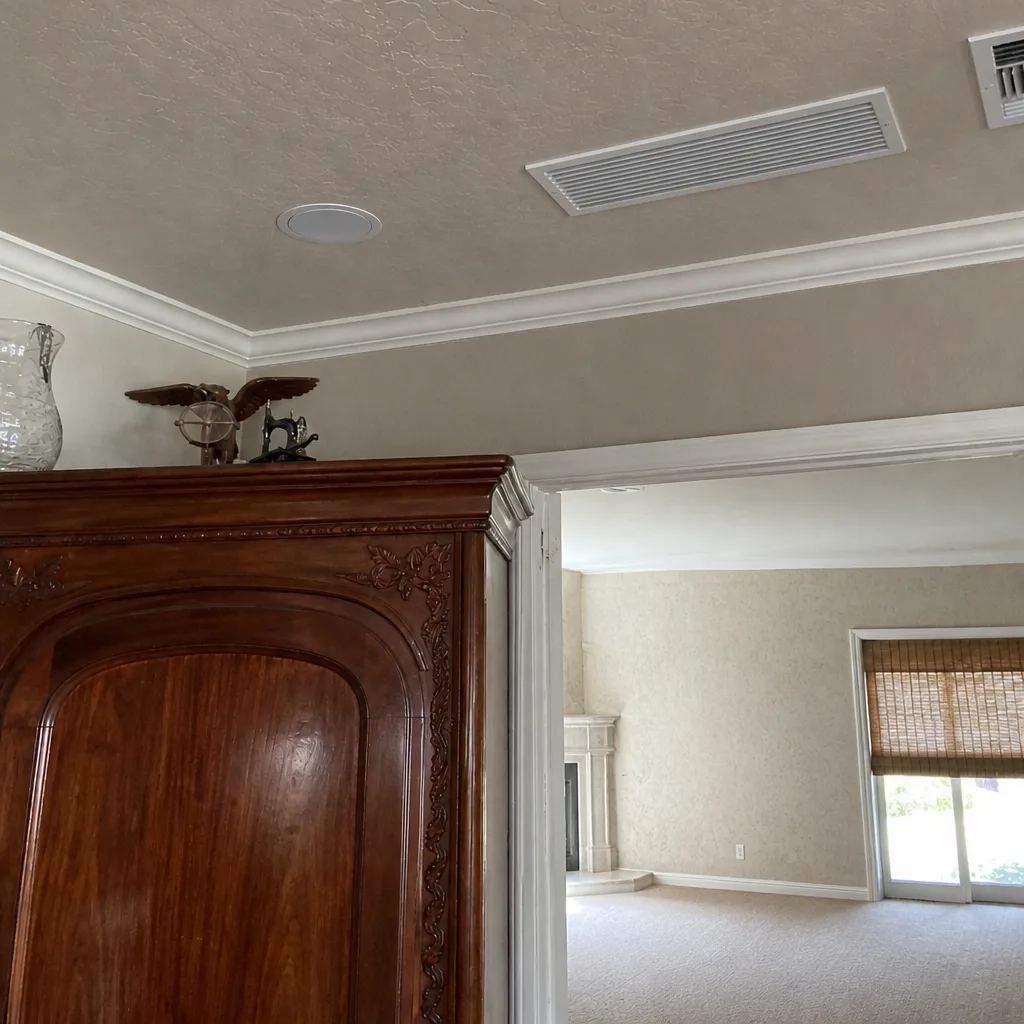 After
When to Call a Professional
Call for an assessment if any of the following is true: water reached the air handler or supply trunk; you smell a musty or moldy odor at a register; you can see growth inside a register boot; a regional smoke event filled the house and someone in it has respiratory concerns; or the system restarted after a long outage and something smells wrong. All of those need a trained technician with HEPA equipment, not a filter change. The local pro we connect you with brings commercial-grade gear, inspects the full pathway, and can repair and seal leaks the same visit. Air Duct Cleaning Spring Branch offers free estimates in Spring Branch – call (855) 359-1727. We answer 24/7. Fast dispatch from 7am to 7pm, Sunday through Friday.
Frequently Asked Questions
Within 48 to 72 hours, and the system should stay off in the meantime. In Spring Branch’s humidity, microbial growth inside wet ductwork starts inside that window, and running the blower is what turns a localized water problem into a whole-house contamination event. Call (855) 359-1727 for an exact quote – estimates are free.
A filter change alone doesn’t remove fine particulate that has already settled in the return plenum, the air handler, and the duct surfaces. Smoke particulate is much finer than household dust, which is why a HEPA-based cleaning protocol addresses it and a standard filter swap doesn’t. If you’re not sure, an assessment is the right next step. Call (855) 359-1727 for an exact quote – estimates are free.
Insulation wrap around a duct absorbs water and holds it against the duct surface, which typically means removal. Duct lining is the interior acoustic and thermal layer, and it can often be cleaned and dried if it hasn’t been wet for long. A technician can tell the difference during a single inspection. Call (855) 359-1727 for an exact quote – estimates are free.
Ask for before-and-after photos of your own ducts, not stock images. A real job produces real photos, and a company that can’t produce them hasn’t given you a way to verify. We can show you what’s actually inside your ductwork, before and after. Call (855) 359-1727 for an exact quote – estimates are free.
Not always, but it’s worth shutting the system off and getting it checked before running it again. A long no-airflow window in Spring Branch’s humidity is enough time for surface contamination inside the system to develop, and the register smell is the first sign of it. Call (855) 359-1727 for an exact quote – estimates are free.
Cheap quotes usually skip steps: no HEPA vacuuming, no sanitizing, no verification, and sometimes no inspection of the air handler at all. In a post-disaster market, cheap is often a bait-and-switch that grows into a much bigger invoice once the technician is on site. One flat price per system, agreed before work starts, is the honest structure. Call (855) 359-1727 for an exact quote – estimates are free.
The Bottom Line
In a duct emergency, the difference between a settled problem and a spreading one is usually time and whether the system is running. Water at the air handler, musty odors, and visible growth get attention within 48 to 72 hours and the blower stays off until they do. Smoke infiltration and post-outage dust load can wait for a scheduled cleaning. In Spring Branch’s humidity, the microbial risk after any moisture event is the thing to take seriously. A quick triage, a contractor who can name their equipment, and one flat price per system agreed before work begins make every emergency smaller. That’s the whole strategy.
If you’d like an assessment, call (855) 359-1727. We answer 24/7. Fast dispatch from 7am to 7pm, Sunday through Friday. Learn more about Air Duct Cleaning Spring Branch and how we handle the full air pathway in one visit.
Written by the team at Air Duct Cleaning Spring Branch.