
Last updated November 25, 2026
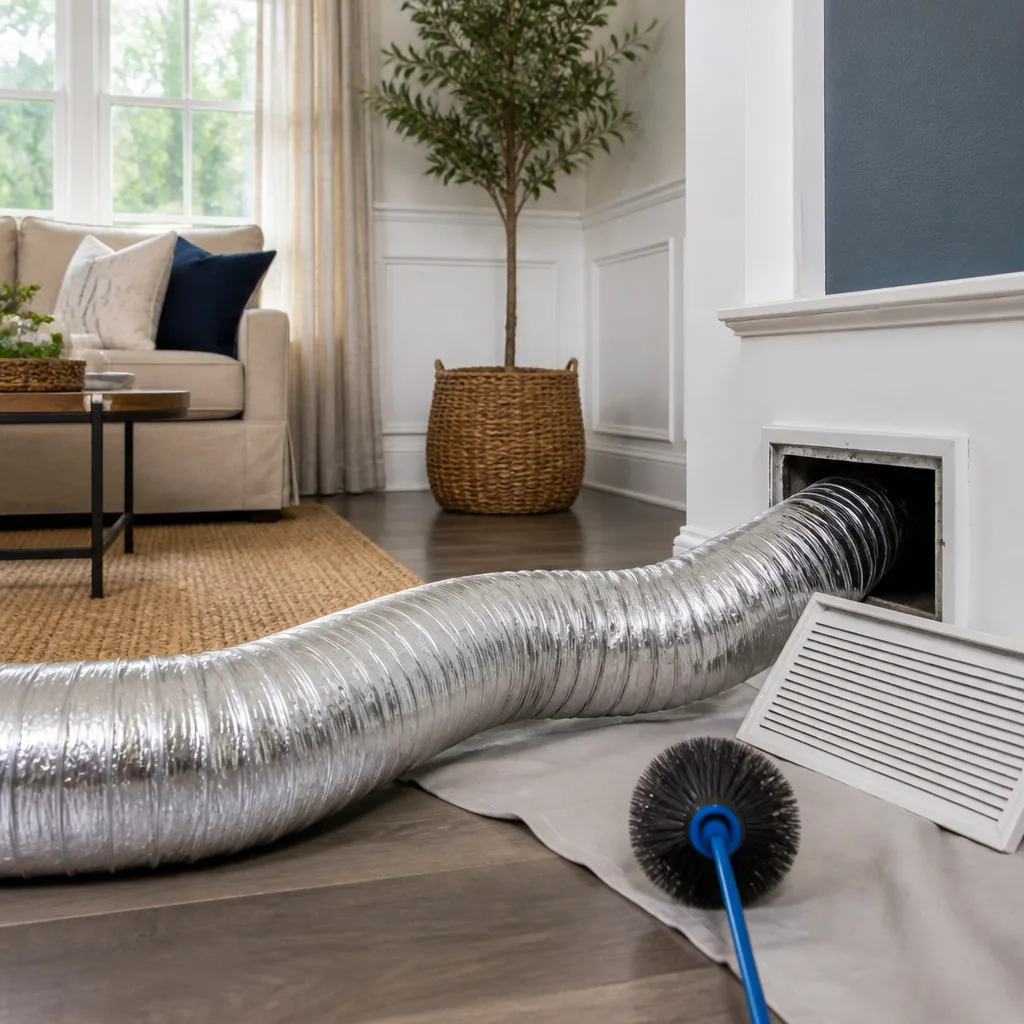 Whole-home duct cleaning
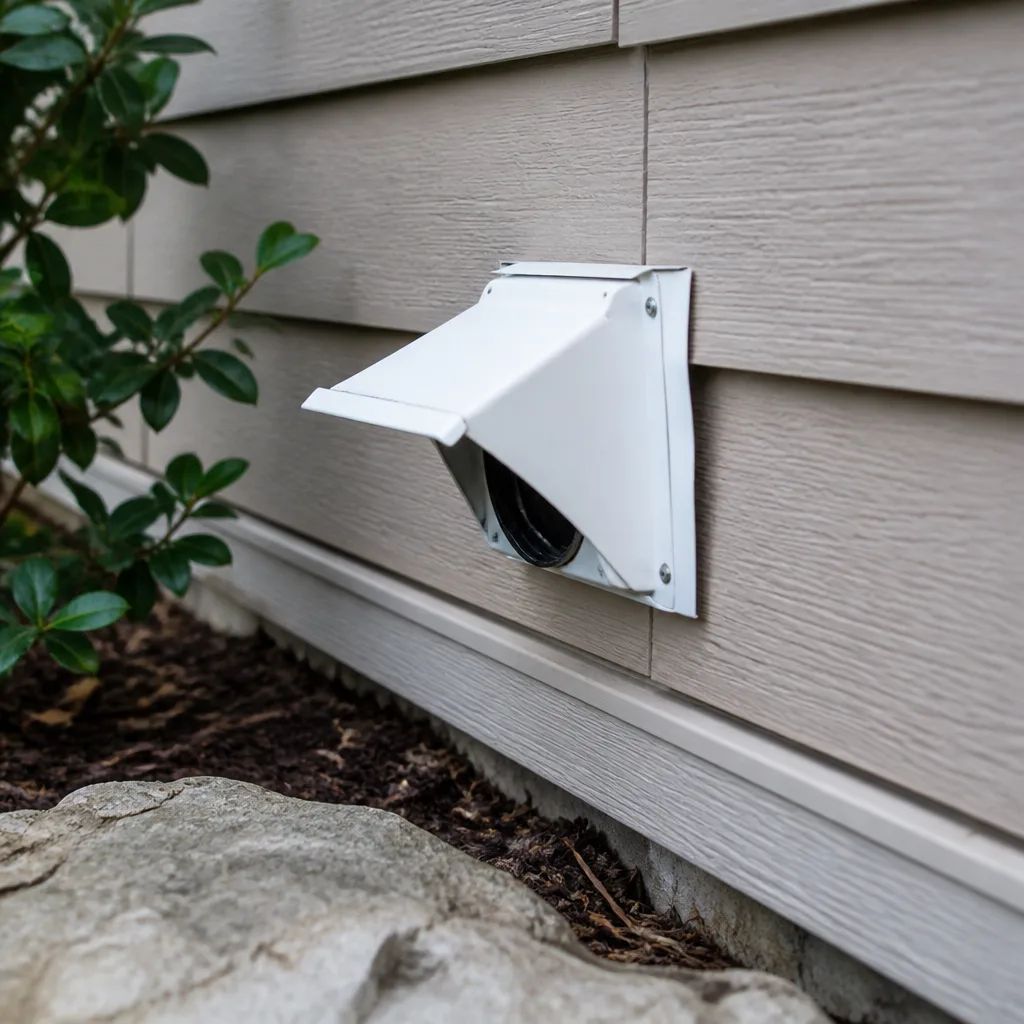 Dryer vent cleaning
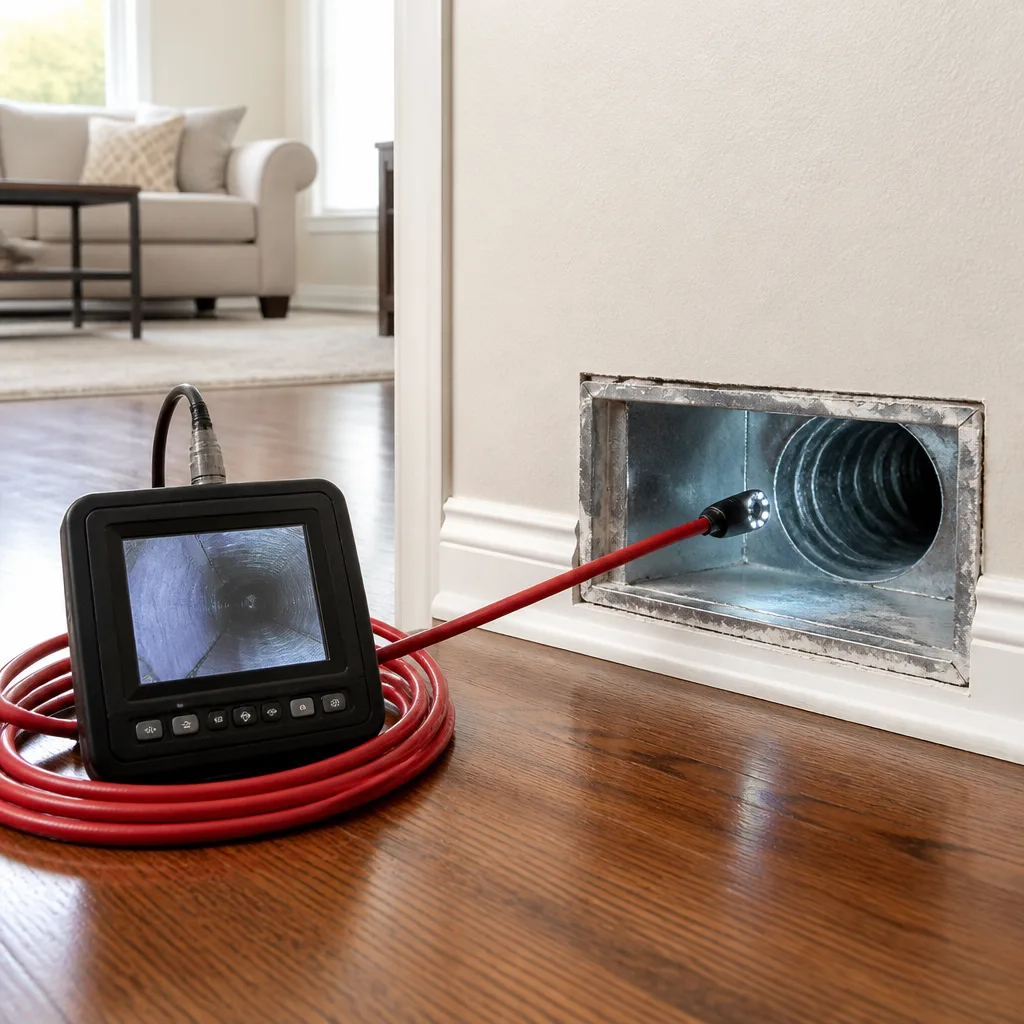 Camera inspection
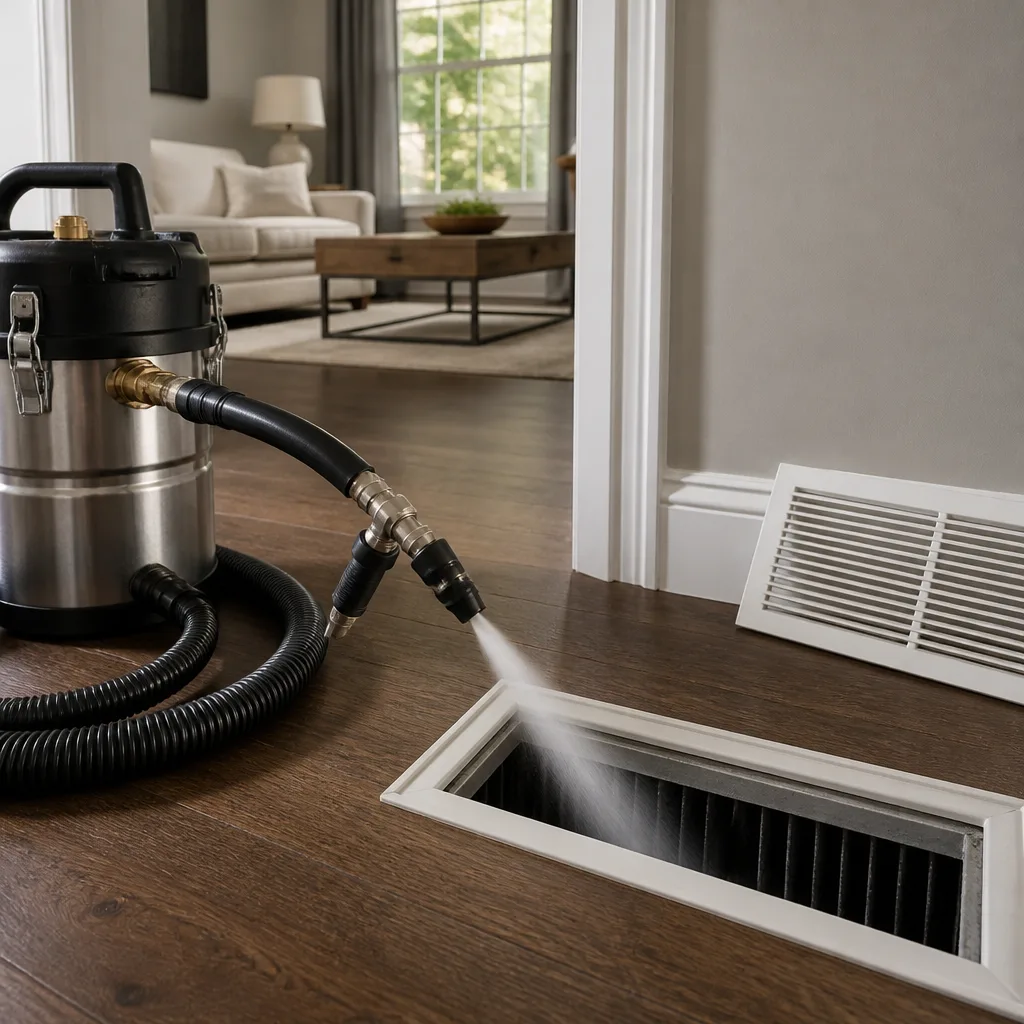 Sanitizing & deodorizing
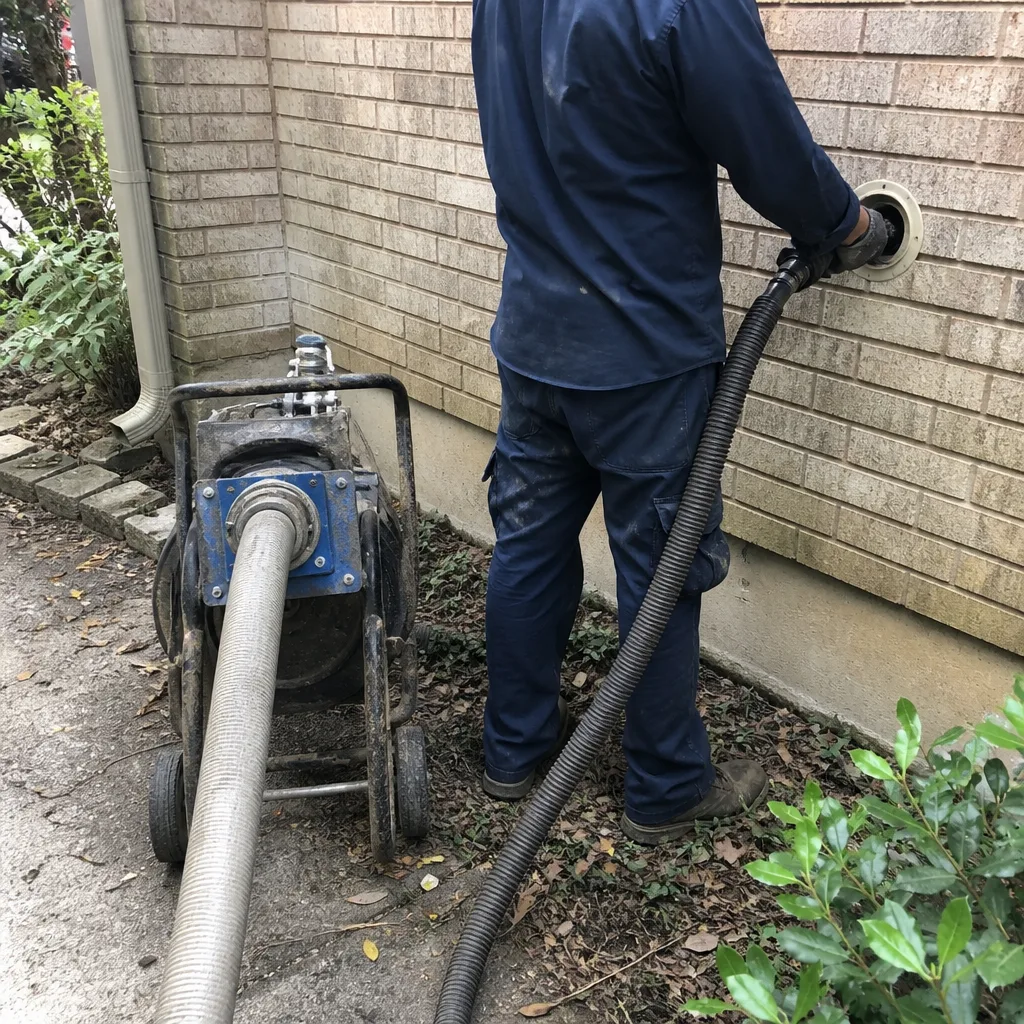
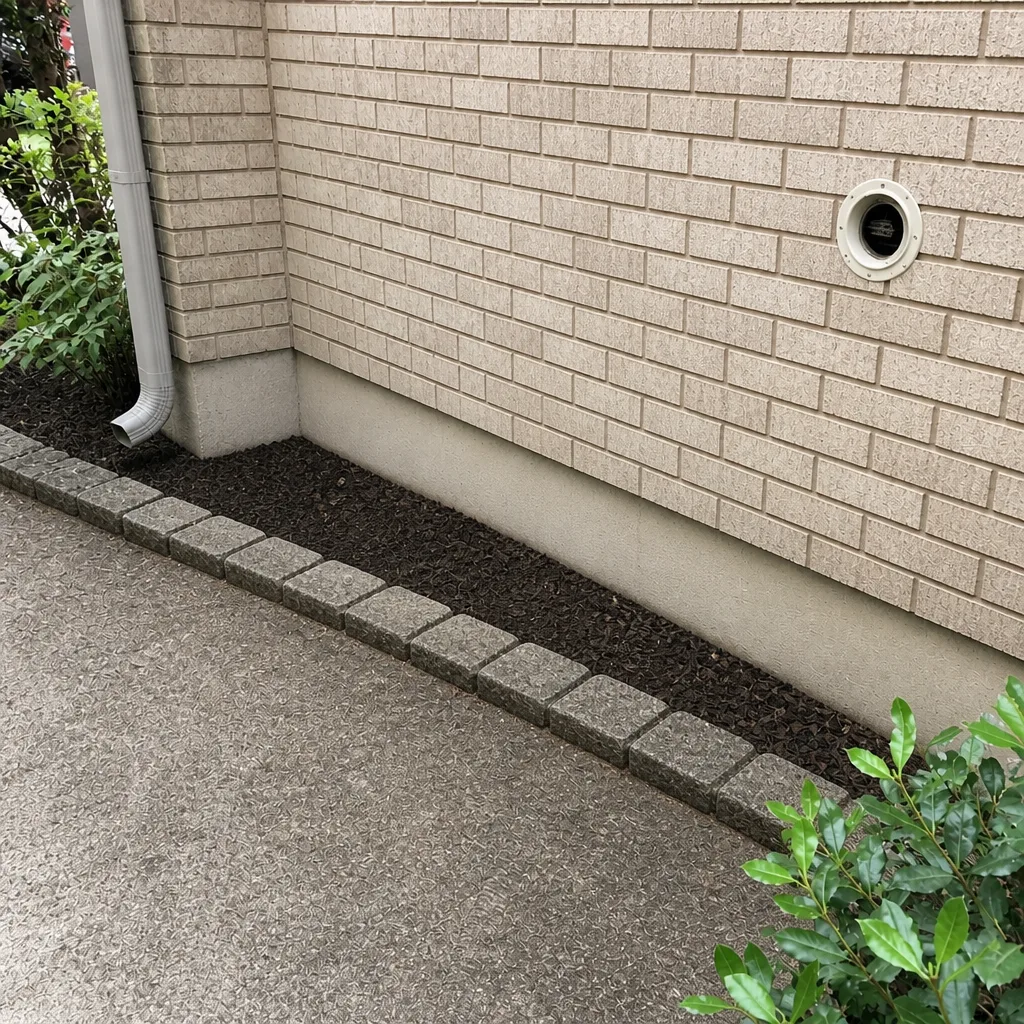
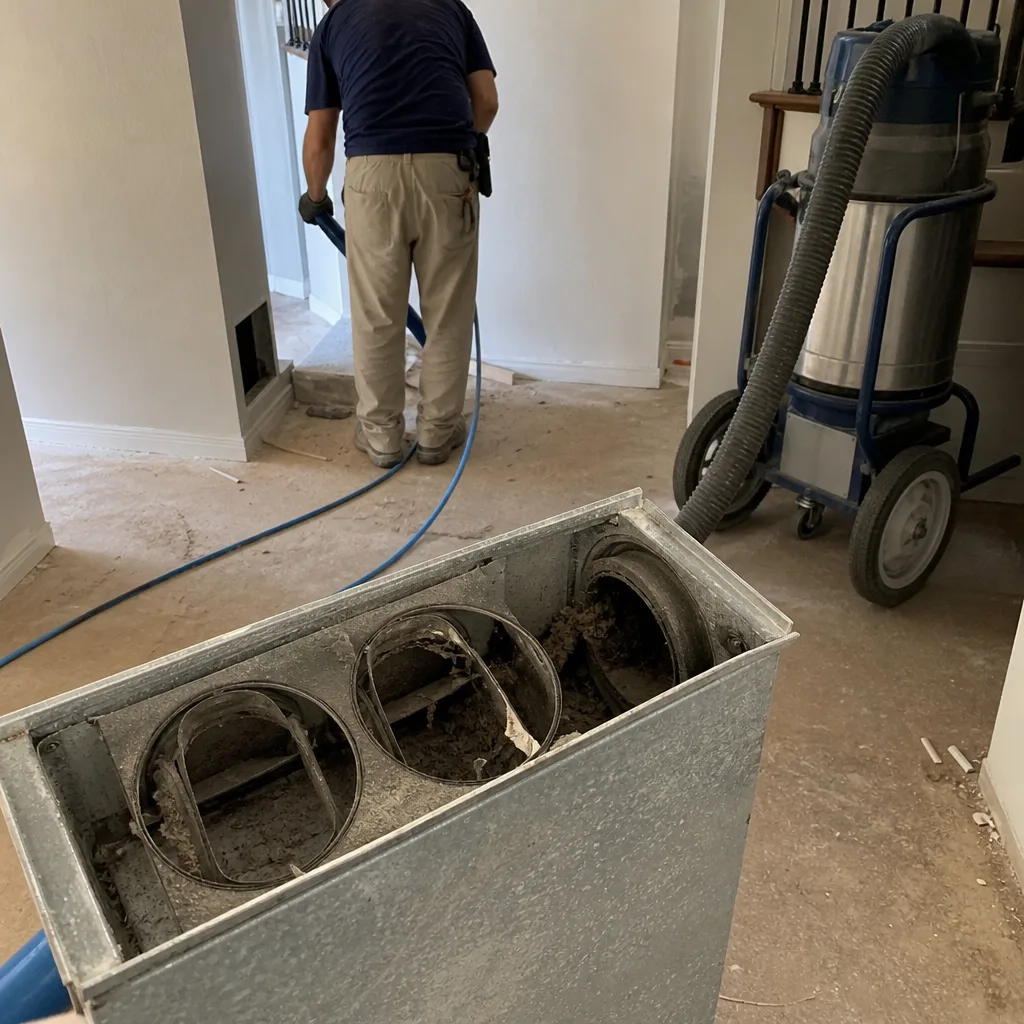
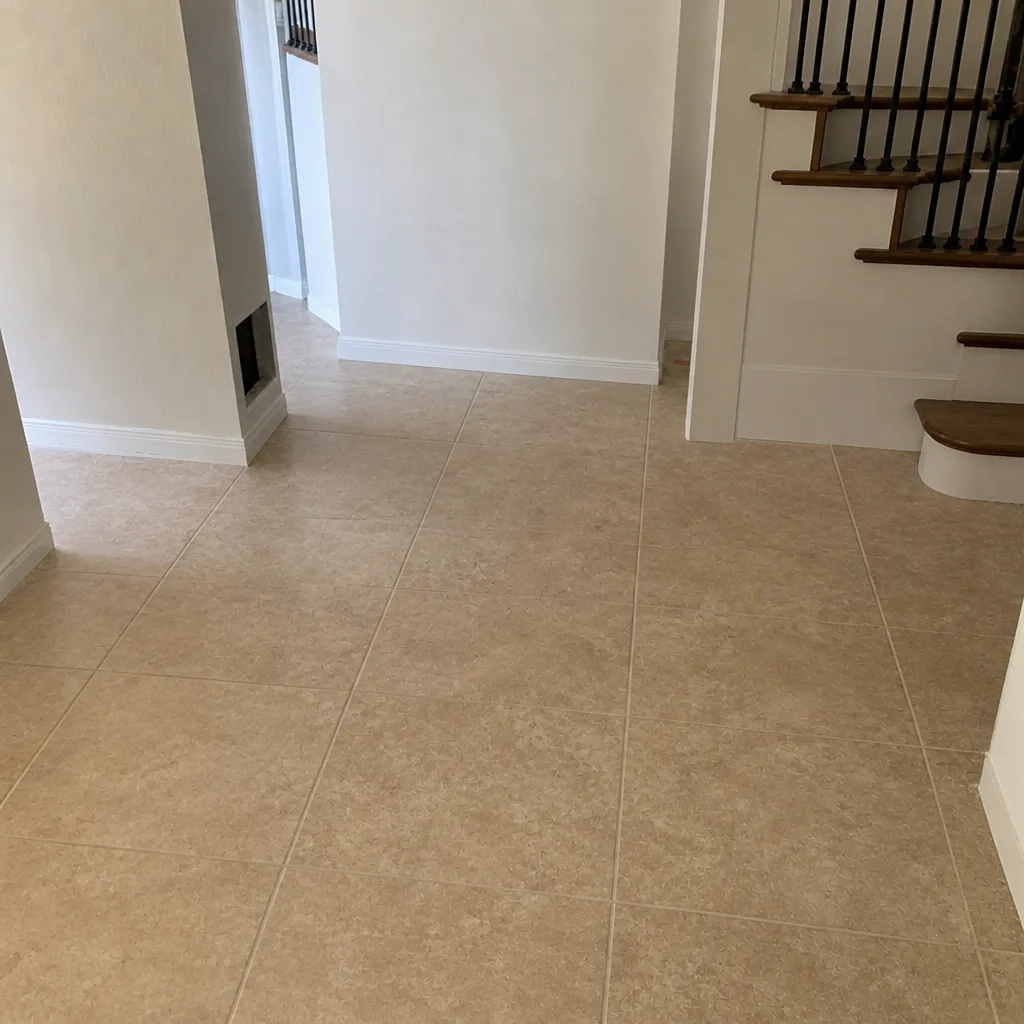
Whole-system duct and dryer vent check with before-and-after photos - you see exactly what came out of your vents
That "$99 whole-house special" is a bait ad - the real number appears once they are in your hallway, or the "clean" is a shop-vac at the register. We photograph the inside of your ducts before and after instead.
Choosing the Right Air Duct Cleaning Brand: A Buyer’s Guide for Spring Branch
Most duct cleaning companies list equipment brands on their website the same way contractors list tool brands: as credibility signals rather than explanations. You see logos for Rotobrush, Nikro, Abatement Technologies, and it looks impressive, but you still have no idea whether the right tool is being matched to your actual duct system. A continuous-contact rotary brush does something structurally different from a negative-air machine, and neither one substitutes for the other. This guide explains what each equipment category actually does, how the physics differs, and how to question a Spring Branch contractor until their equipment choice makes sense for your home.
Quick Answer
The right air duct cleaning brand in Spring Branch is the one that matches equipment to your duct material and contamination type, not the one with the longest logo list. Rotary brush systems like Rotobrush suit flexible ductwork, negative-air machines like Nikro trap dislodged debris, and HEPA scrubbing equipment like Abatement Technologies handles post-remediation air quality. Ask a contractor to justify which system they will use on your ducts and why before anyone arrives.
Styles & brands we work with
- Whole-home duct cleaning
- Dryer vent cleaning
- Camera inspection
- Sanitizing & deodorizing
Table of Contents
- Why equipment brands matter more than marketing lists
- Rotobrush systems: continuous-contact cleaning for flex duct
- Nikro negative-air machines and the specifications that matter
- Abatement Technologies HEPA equipment and humidity-driven contamination
- Why equipment combination matters for a full-system clean
- How duct material, system age, and contamination history drive tool choice
- Questions to ask a Spring Branch contractor about their equipment
- Sealing, sanitizing, and dryer vents: the rest of the air pathway
Why Equipment Brands Matter More Than Marketing Lists
Equipment logos on a website tell you what a company has bought. They don’t tell you whether those tools are used correctly, or whether they’re matched to the job in front of them. A crew that owns one brush system and applies it to every duct type is structurally unable to adapt. Rigid sheet metal and flexible insulated duct behave completely differently under mechanical agitation, and the wrong tool either misses the debris entirely or damages the duct liner trying to reach it.
The distinction is worth understanding because it changes what you get for your money. Generic shop vacuums and portable consumer-grade units move a small volume of air and filter poorly. Professional equipment like Rotobrush, Nikro, and Abatement Technologies is engineered around different airflow physics and built for source removal rather than surface dusting. When a Spring Branch home has visible debris at the registers or a musty smell that won’t clear, the equipment tier is the first thing that determines whether the problem is actually addressed.
Spring Branch’s humid Gulf Coast climate compounds this. Ductwork that stays damp at any point in the year holds dust differently than dry-climate ductwork, and debris that sticks to a duct wall doesn’t come loose with a light pass of a small vacuum. The tool has to agitate, capture, and filter at a level that matches the contamination.
That’s why the equipment conversation isn’t niche. It sets the ceiling on what any cleaning visit can accomplish.
Rotobrush Systems: Continuous-Contact Cleaning for Flex Duct
Rotobrush rotary brush systems work by pushing a rotating brush head through the duct while a vacuum pulls loosened material back toward a collection unit at the same time. The continuous-contact design is what separates it from a manual brush-and-vacuum approach: the brush doesn’t stop agitating, and the vacuum doesn’t stop capturing. On flexible duct, which is corrugated on the inside and traps debris in the ridges, that continuous contact is the difference between a clean duct and a duct that looks clean from the register.
Here’s when a Rotobrush system is usually the right tool:
- Flexible duct runs where corrugated ridges hold fine particulate.
- Routine maintenance cleaning of ducts that haven’t been badly compromised.
- Residential systems where the duct interior needs agitation without abrasive scrubbing.
- Light-commercial jobs with long, accessible runs of flex or hybrid ductwork.
On rigid sheet metal, the physics change. Sheet metal is smooth inside, so debris loosens easily but can travel further before it’s captured. A rotary brush system works, but the vacuum capture rate and the number of passes matter more than the brush pressure. A contractor who can explain this distinction is telling you they understand the tool, not just that they own it.
When you book air duct cleaning, ask which duct material they expect to encounter and which tool they’ll run on it. If the answer is the same brush for every home in Spring Branch, that’s a warning sign.
Nikro Negative-Air Machines and the Specifications That Matter
Nikro negative-air machines create pressure differentials that keep dislodged debris moving toward the collection unit instead of drifting back into the living space. This is the capture half of the job. Brush agitation without adequate negative pressure just releases particulate into the air, which defeats the purpose of cleaning a duct system in the first place.
Two specifications matter most when you’re evaluating a contractor’s setup:
- CFM (cubic feet per minute). Higher CFM moves more air, which matters on longer duct runs and larger homes. A low-CFM unit can’t maintain capture across an entire system at once.
- Filtration efficiency. The unit’s filter determines what escapes the vacuum and what gets captured. HEPA-grade filtration captures fine particulate that standard filters miss.
Asking a contractor for their unit’s actual performance specs is a reasonable question, and the answer tells you a lot. A technician who can tell you their machine’s CFM and filter rating without checking is someone who knows their equipment. A technician who gives a vague answer is someone who bought a machine and put it on a truck.
This is also where the difference between consumer-grade and professional-grade becomes concrete. A portable shop vacuum and a Nikro negative-air unit both move air, but only one of them maintains the pressure and filtration needed to actually remove contamination from a Spring Branch home’s duct system. Equipment capture is what makes the cleaning real instead of cosmetic.
Abatement Technologies HEPA Equipment and Humidity-Driven Contamination
Abatement Technologies HEPA equipment is the standard applied in mold remediation and hazardous-material abatement work. It runs at HEPA-grade filtration, moves high volumes of air, and scrubs the air to remove fine particulate that standard filtration leaves behind. Using it on routine residential duct cleaning is unusual. Using it after a contamination event or during post-remediation is where it belongs.
Spring Branch’s humidity makes this equipment category more relevant than it would be in a dry climate. Duct systems here can develop moisture issues when condensate, high indoor humidity, or a poorly sealed system leaves damp patches inside the ductwork. Where there’s sustained moisture, there’s potential for biological growth, and that growth releases spores into the airstream. Routine cleaning alone doesn’t address it; air scrubbing with HEPA filtration plus targeted sanitizing does.
This is why Abatement Technologies equipment on a truck matters. A contractor who owns it can respond when the job turns out to be more than dirty ductwork. A contractor who doesn’t own it will clean what’s visible, collect the invoice, and leave the rest for someone else to discover. When a Spring Branch home has a musty smell that returns after a cleaning, the equipment gap is often the reason. The contamination was treated at the surface but never scrubbed from the air.
If you’ve had recent water intrusion, a renovation that generated fine dust, or you’re dealing with a persistent smell that a standard cleaning didn’t resolve, ask specifically whether HEPA air scrubbing is part of the visit.
Why Equipment Combination Matters for a Full-System Clean
A contractor who owns one equipment category and applies it to every job type is structurally unable to match tool to problem. The comparison works like this:
- Brush-only crews can agitate duct surfaces, but they rely on the brush’s built-in vacuum for capture. On heavy contamination or long runs, capture is limited.
- Negative-air-only crews maintain strong pressure and filtration, but they don’t agitate the duct walls. Stuck-on debris stays stuck.
- HEPA-only crews scrub the air but don’t reach into the duct runs at all.
- Full-equipment crews combine agitation, negative pressure, HEPA capture, and post-cleaning sanitizing into one visit.
The physics of contamination removal requires all of them in sequence: loosen the material, capture it, filter the exhaust, then sanitize what remains. Skip any step and the result is partial. That sequencing is what we build every visit around, using Rotobrush, Nikro, and Abatement Technologies equipment as the different stages of the same process.
Alongside the core cleaning equipment, we also bring in filtration and purification knowledge from Honeywell and Aprilaire product lines. That matters because cleaning is only useful when the system stays clean afterward, and better filtration at the return is one way to keep the problem from recurring.
For homeowners who want this done properly rather than cosmetically, that full-system scope is the standard to look for. Air Duct Cleaning Spring Branch brings the whole equipment lineup to every job, and the technician assigned to your home can explain which system handles which phase.
How Duct Material, System Age, and Contamination History Drive Tool Choice
The right tool depends on three things: what your ducts are made of, how old the system is, and what’s happened inside them since they were last cleaned. A good contractor asks about all three before recommending anything. A contractor who skips straight to pricing hasn’t gathered the information needed to do the work right.
Here’s how those variables usually shape the choice:
- Duct material. Flexible duct needs the continuous-contact rotary brush to reach into the corrugated ridges. Rigid sheet metal needs stronger negative-pressure capture because debris travels further before it’s collected.
- System age. Older systems often have original ductwork with small leaks and accumulated dust on the joints. Newer systems may have tighter ductwork but debris from construction activity.
- Contamination history. A home with a prior water event, a major renovation, or an unresolved musty smell needs HEPA scrubbing and possibly sanitizing, not just mechanical cleaning.
Spring Branch neighborhoods vary here. Homes in older parts of Spring Branch with original ductwork may need repair and sealing alongside cleaning, while newer construction in surrounding neighborhoods more often needs construction-debris removal and system checks. The answer isn’t a single tool applied everywhere. It’s a tool that matches the specific conditions on the day of the visit.
That’s why the walkthrough before the estimate is valuable. It’s the moment when duct material, age, and history get looked at directly. If a contractor can’t explain how those factors lead to a particular equipment choice at your home, the choice probably isn’t being made at all.
Questions to Ask a Spring Branch Contractor About Their Equipment
A contractor’s answers to a few specific questions will tell you whether they understand their equipment or whether they’ve just listed brand names on a website. Bring these to the estimate conversation.
- Which duct cleaning system will you use on my flexible duct runs, and why that one? The answer should reference the ridges and the continuous-contact brush design, or explain why a different tool fits the material.
- What is your negative-air unit’s CFM and filter rating? A real answer tells you the machine is professional-grade and the filtration is adequate.
- Do you carry HEPA scrubbing equipment for post-remediation or air quality work? The answer tells you whether they can address contamination beyond visible dust.
- Will you check for leaks and seal them, or hand off to another contractor? Duct repair and sealing done the same visit keeps the system tighter and the work complete.
- What happens if you find evidence of biological growth? A crew that owns HEPA equipment and sanitizing solutions handles it; one that doesn’t refers it out.
- Can I see before-and-after photos of my own ducts at the end of the visit? Photos are the check on whether the equipment was actually used correctly.
The technician’s answers to these questions reveal the depth of their training. Our technicians have up to 14 years of experience with residential duct systems and professional-grade machines, which is why they can walk you through each choice instead of giving a general pitch.
HVAC cleaning work runs on the same equipment logic, since the coil and air handler are part of the same air pathway as the duct runs. Ask a Spring Branch contractor to explain how cleaning the HVAC unit fits with cleaning the ducts, and whether they can do both in a single visit.
Sealing, Sanitizing, and Dryer Vents: The Rest of the Air Pathway
Duct cleaning is one phase of a whole-home air pathway, and equipment tier matters through each of the others. After cleaning, the system needs sealing to keep the dust from returning through small joint and seam leaks. In-house duct repair and sealing is part of the scope here, so any breach found during cleaning can be closed the same visit. That eliminates the second-contractor delay most cleaning crews require.
Sanitizing comes next. Guardsman-branded sanitizing treatments are applied after cleaning to address what remains on the duct walls. Named products matter here because you can look up what’s being applied and ask your own questions. An unnamed spray applied as an upsell isn’t a treatment plan; it’s a line item.
Filtration and purification products from Honeywell and Aprilaire round out the picture. Those products are installed rather than sold as accessories, which means they seal tightly into the system and work as designed. A whole-home filter that leaks at the housing doesn’t do much for air quality.
Dryer vent cleaning is the final piece, and it’s structurally separate from HVAC ductwork. The dryer vent is a different pathway with its own fire-safety risk profile. A blocked dryer vent creates heat buildup behind the dryer, and that risk is unrelated to the air handler. dryer vent cleaning is part of the service scope because the same professional-grade equipment that cleans ducts also handles the dryer line.
Together, these pieces form a complete air pathway: cleaning, sealing, sanitizing, filtering, and the dryer line. A brand that covers all five is a brand that can address whatever the visit uncovers without handing you off mid-job.
Common Mistakes to Avoid
- Choosing a company based on logo count. A website that lists eight equipment brands has told you what they own, not whether they know how to match tools to duct material. Ask what will be used on your specific ducts.
- Booking a cleaning before the contractor has looked at your ductwork. Phone-only quotes skip the inspection that determines which equipment category is right. If nobody asks what your duct material is, the recommendation isn’t grounded in facts.
- Treating a musty smell as a routine cleaning problem. Persistent odor in a Spring Branch home usually points to moisture or contamination that needs HEPA scrubbing, not another pass of a brush. Ask whether HEPA works with Abatement Technologies equipment before you book.
- Accepting a per-vent price with no system-level detail. A per-vent price tells you almost nothing about what will actually happen on the visit. Whole-system pricing reflects the actual scope of work.
- Forgetting the dryer vent. It’s easy to treat dryer vent cleaning as optional, but it’s a fire-safety concern separate from the HVAC ducts. Ask for it on the same visit.
- Letting a leak go until the next contractor is available. If the cleaning inspection finds a breach, the right move is to seal it the same visit. Waiting means dust re-enters the system within weeks.
- Choosing a company that hands off whenever the job gets interesting. A contractor who refers out every contamination issue, every sealing need, and every air quality concern is running a vacuum and not much else.
See the difference
 Before
 After
 Before
 After
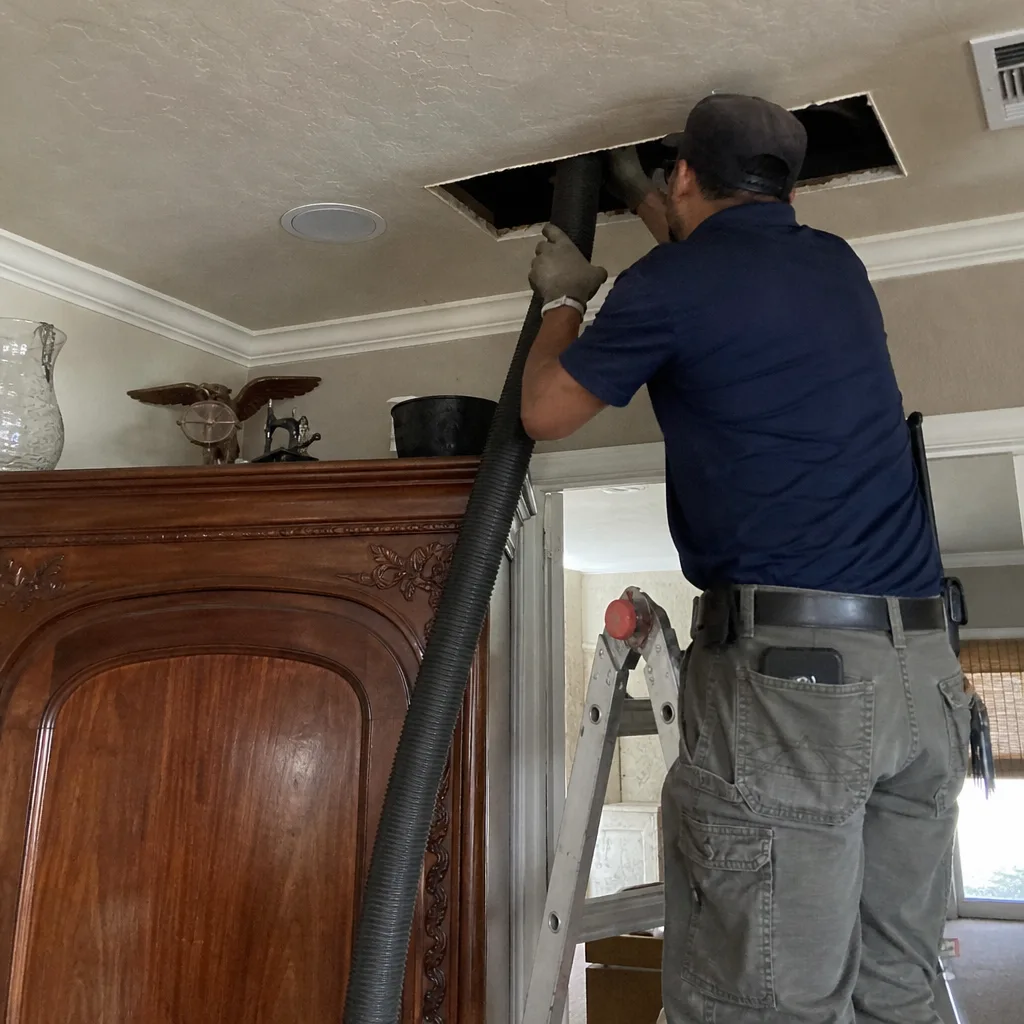 Before
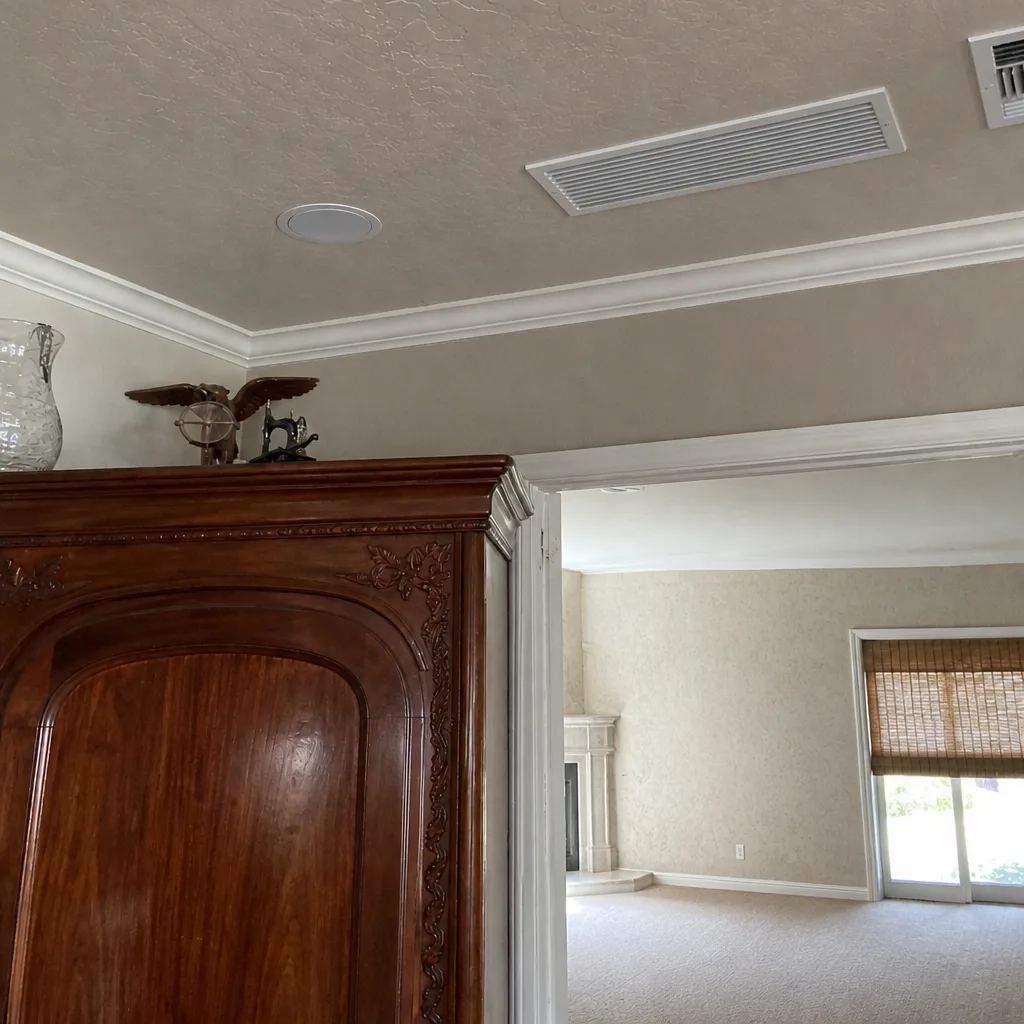 After
When to Call a Professional
Call a professional when you notice a musty smell that returns after cleaning, visible debris at the supply registers, a rise in allergy symptoms that tracks with time spent indoors, or dust collecting on surfaces immediately after the HVAC cycles on. Call after a renovation that generated fine dust, a water intrusion event, or a new pet, since all three change what’s inside the ductwork. Call when the dryer takes longer than usual to dry a load, or when the vent line hasn’t been checked since the last cleaning cycle. Call when you can’t remember the last time the system was cleaned at all. Air Duct Cleaning Spring Branch offers free estimates in Spring Branch. Call (855) 359-1727. We answer 24/7. Fast dispatch from 7am to 7pm, Sunday through Friday.
Frequently Asked Questions
Ask the contractor to identify the specific systems they’ll use on your ductwork and to show you the machines at the start of the visit. Rotobrush rotary brush units, Nikro negative-air machines, and Abatement Technologies HEPA units are all identifiable by their housings and fittings. If the crew arrives with a shop vacuum, the equipment tier is not what was described. Call (855) 359-1727 for an exact quote. Estimates are free.
Flexible duct usually calls for a continuous-contact rotary brush system like Rotobrush, because the corrugated ridges hold debris that other methods leave behind. Rigid sheet metal responds better to strong negative-pressure capture, which is why Nikro-class machines are used on those runs. The best setups use both systems in the same visit.
Routine cleaning doesn’t always need HEPA equipment, but a Spring Branch home with prior water intrusion, a musty smell, or a recent renovation might. Abatement Technologies HEPA units handle those cases. A contractor without them has to refer the job out rather than finish it. Call (855) 359-1727 for an exact quote. Estimates are free.
Yes, if the contractor runs a brush without adequate negative-air capture, dislodged particulate can drift back into the living space instead of being collected. That’s why the machines matter: high-CFM negative pressure plus HEPA filtration is what keeps debris moving toward the collection unit. Ask before anyone starts work.
Cleaning alone is not enough when the duct system has leaks. Gaps at joints and seams let dust back into the ducts within weeks. Having duct repair and sealing available on the same visit keeps the cleaning result intact. Ask the contractor whether sealing is part of their scope or whether they’ll hand it off.
The price depends on system size, duct material, and contamination level, and the written estimate sets the final price. Ask for a whole-system price rather than a per-vent figure, and ask what the price includes: brushing, negative-air capture, sanitizing, and any sealing needed. Call (855) 359-1727 for an exact quote. Estimates are free.
The Bottom Line
The right air duct cleaning brand is the one that can explain what each piece of equipment does and why it’s being used on your specific ductwork. Rotobrush systems handle continuous-contact agitation on flexible duct. Nikro negative-air machines maintain capture and filtration. Abatement Technologies HEPA equipment adds post-remediation air scrubbing for the humid, moisture-prone conditions in Spring Branch. A contractor who owns all three can match tool to problem. One who owns a single system can’t. Add sealing, sanitizing, and dryer vent cleaning to the scope, and you’re looking at the full air pathway in one visit instead of three. That’s the standard to hold any Spring Branch contractor to.
Ready for a free estimate? Call (855) 359-1727. We answer 24/7. Fast dispatch from 7am to 7pm, Sunday through Friday. We’ll walk through your duct material, system age, and contamination history before recommending which equipment fits your home.
Written by the team at Air Duct Cleaning Spring Branch.