
Last updated November 25, 2026
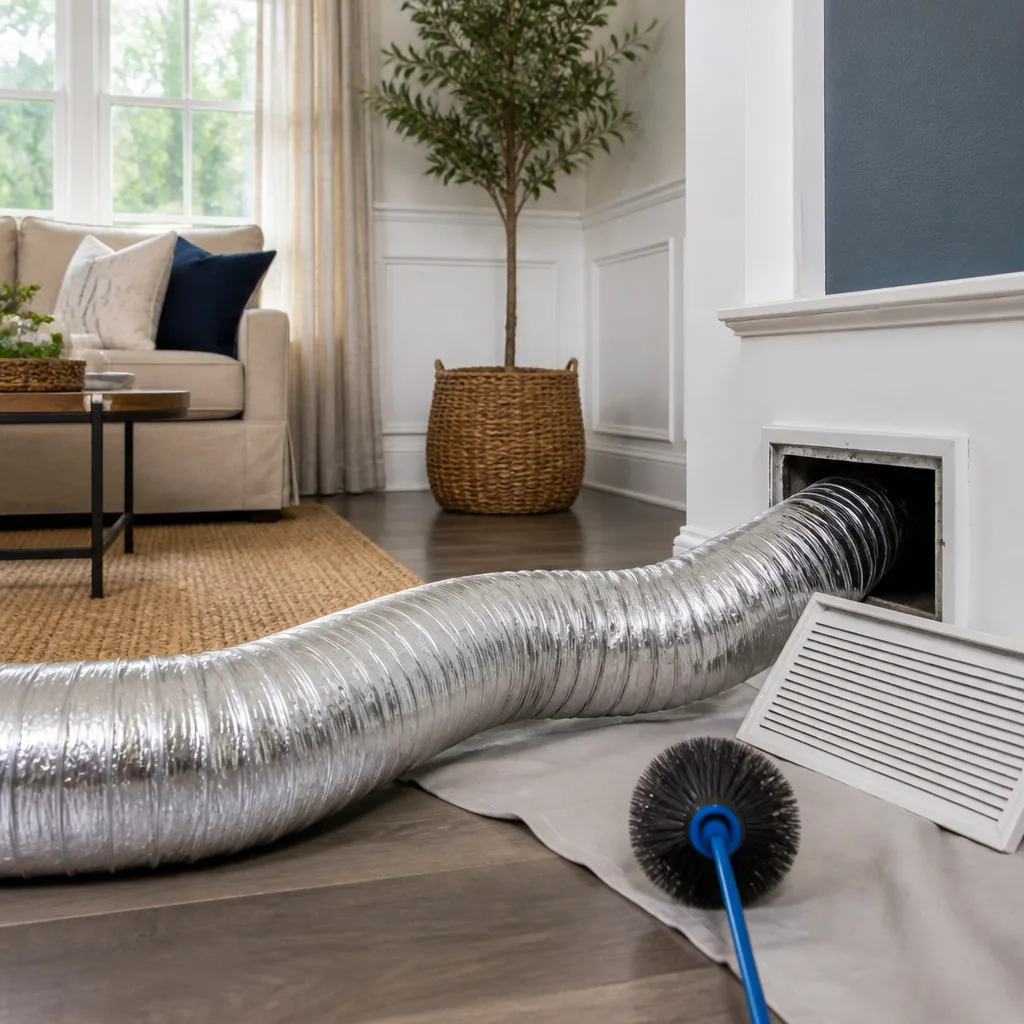 Whole-home duct cleaning
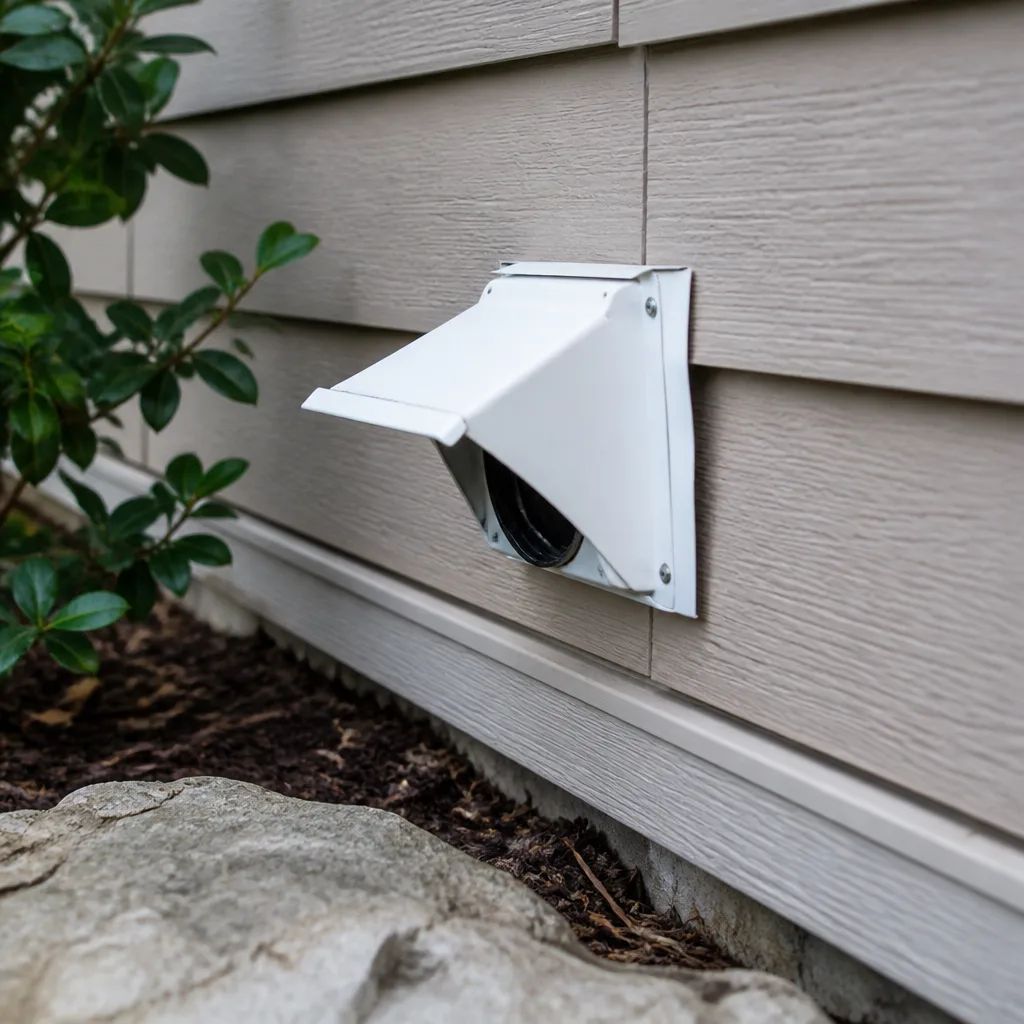 Dryer vent cleaning
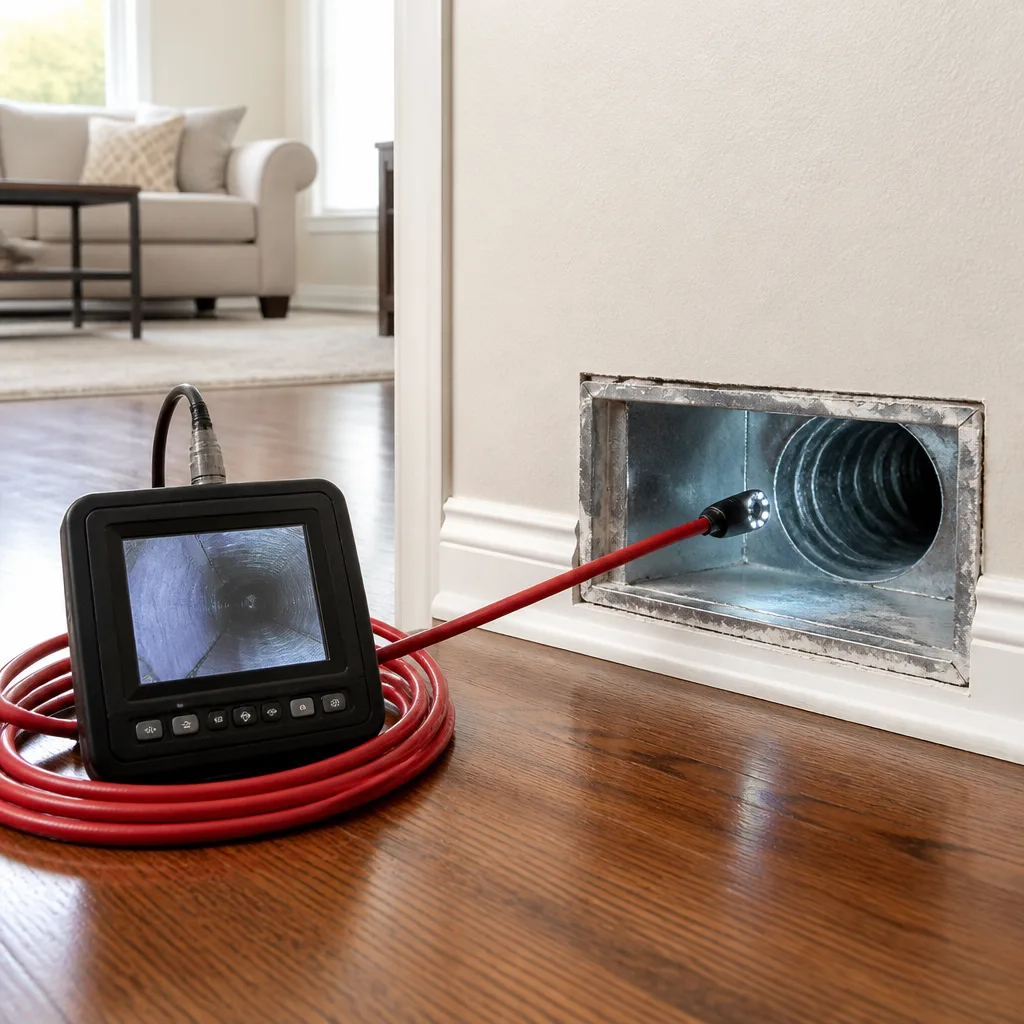 Camera inspection
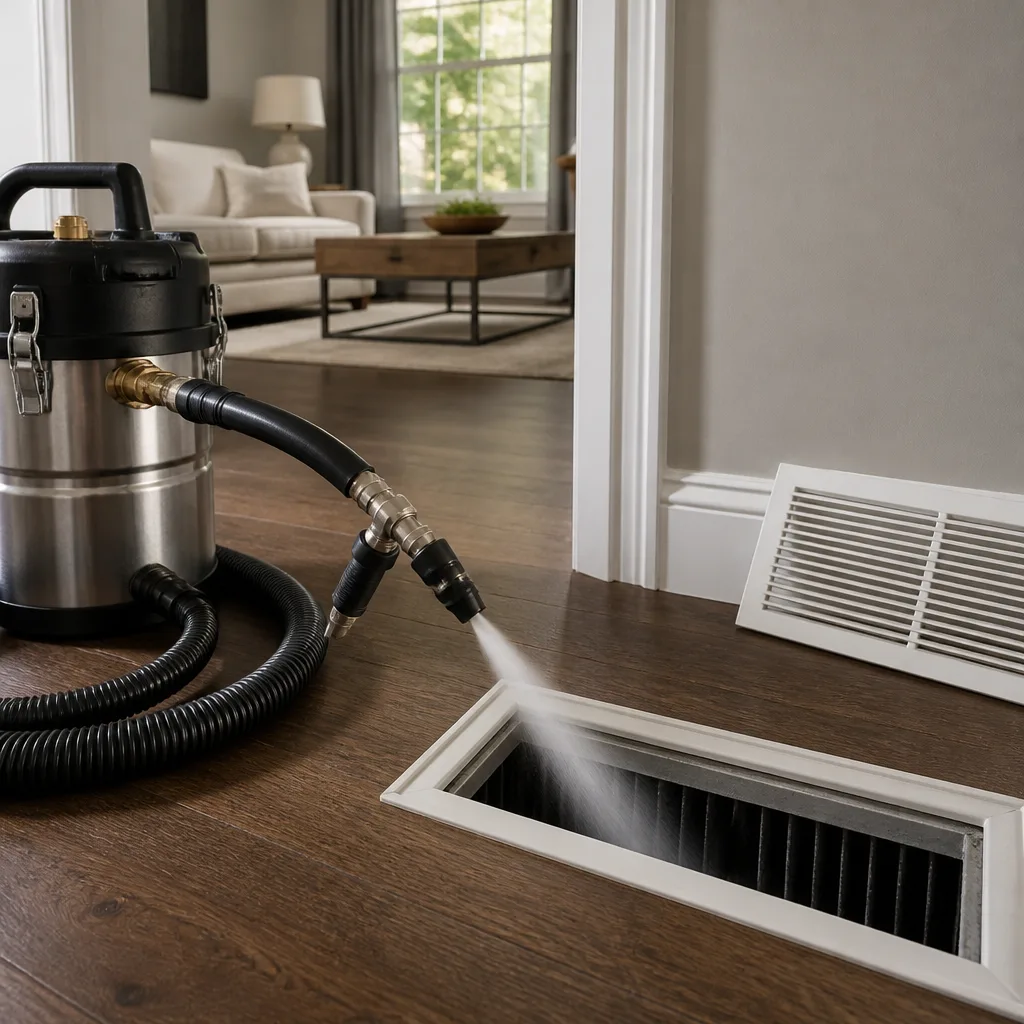 Sanitizing & deodorizing
Whole-system duct and dryer vent check with before-and-after photos - you see exactly what came out of your vents
That "$99 whole-house special" is a bait ad - the real number appears once they are in your hallway, or the "clean" is a shop-vac at the register. We photograph the inside of your ducts before and after instead.
Air Duct Cleaning Maintenance Schedule: What to Do and When
A Spring Branch home with two shedding dogs and flex duct can reach the same contamination level in 18 months that a pet-free home with sheet metal ducts takes six years to hit. Most maintenance advice treats those two homes identically. The industry’s default “clean every three to five years” number is an average of wildly different situations, and averages are a poor guide to what your own ductwork actually needs. What follows is a schedule built around the variables that genuinely drive contamination rate: pet load, renovation dust, humidity, insulation type, and how hard your HVAC runs. By the end you’ll know how often your system needs attention, when in the year to schedule it, and which between-cleaning habits are worth your time.
Quick Answer
In Spring Branch, most homes need professional duct cleaning every 3 to 5 years, but that interval shortens to 2 years or less for homes with multiple pets, recent renovations, or flex duct in a hot attic. Schedule around September rather than spring, because Houston-area summers push the system hardest and deposit the most debris through the cooling season. Add dryer vent cleaning to the same visit and you’ll save the cost of a second trip.
Styles & brands we work with
- Whole-home duct cleaning
- Dryer vent cleaning
- Camera inspection
- Sanitizing & deodorizing
Table of Contents
- Why the “Every 3-5 Years” Rule Fails Most Spring Branch Homes
- The Variable Matrix: What Shifts Your Cleaning Interval
- Seasonal Timing: Why September Beats Spring Here
- Between Cleanings: What Actually Helps vs. What’s Theater
- Building a Filter Log That Predicts Your Next Cleaning
- Bundling Dryer Vent and Coil Cleaning: Why One Visit Costs Less
- Sealing the Leaks: The Step Most Schedules Leave Out
- Common Mistakes to Avoid
Why the “Every 3-5 Years” Rule Fails Most Spring Branch Homes
The three-to-five-year figure gets repeated everywhere because it’s easy to remember, not because it’s accurate for any one house. It’s an average drawn across climates, building styles, and household habits that have almost nothing in common. In Spring Branch, where the cooling season runs long and attics get genuinely hot, the system pulls a large volume of air through the same ductwork for months on end. That runtime is a contamination multiplier that a homeowner in a mild climate never experiences.
Think about what actually travels through your ducts. Every cubic foot of return air carries dust, lint, pet dander, and whatever else is floating in the rooms. The filter catches some of it. The rest settles on duct walls, collects at fittings and elbows, and coats the blower and evaporator coil. The question isn’t whether your ducts have debris. They do. The question is how fast the debris accumulates in your specific house, and that rate varies by a factor of three or more between two homes on the same street.
So a fixed calendar interval is a guess. A schedule built from your actual conditions is closer to a measurement. That’s what the rest of this guide builds. It’s also why we ask homeowners about pets, recent work, duct material, and filter habits before quoting a cleaning: the answers change how the job is scoped. Our technicians have up to 14 years of experience, and in that time the single most common surprise is how much faster a high-pet, flex-duct home loads up than its owner expected.
What the interval is really measuring
Contamination rate is a function of four things: how much particulate enters the system, how well the filter captures it, how much air volume moves through, and how smooth the duct interior is. You control the first two. The climate and the duct material drive the last two. A schedule that ignores any of these is just a number on a refrigerator magnet.
The Variable Matrix: What Shifts Your Cleaning Interval
Use the table below to adjust the baseline interval for your home. Start at 4 years for a typical single-story Spring Branch house with one pet or none, sheet metal ducts, and a filter changed on schedule. Then move up or down based on each factor. Treat the result as an estimate, not a guarantee; a visual inspection by a technician resolves the real answer.
- Two or more pets: subtract 1 to 2 years. Shedding dogs and cats produce the largest single jump in debris load we see.
- One pet: subtract 1 year.
- Recent renovation or ongoing construction: subtract 2 years, and consider a cleaning within weeks of finishing the work. Drywall dust and sawdust settle into ducts long after the crew leaves.
- Flex duct instead of sheet metal: subtract 1 year. The ribbed interior catches debris and is harder to clean thoroughly.
- Attic-mounted air handler in a hot, unsealed attic: subtract 1 year. More runtime means more airflow and more deposit.
- High-efficiency filter (MERV 11 or better), changed on time: add 1 year. Better filtration genuinely slows the load.
- Single occupant, no pets, no carpet: add 1 year.
- Musty odor or visible dust streaks at supply vents: stop adjusting and schedule an inspection now. Smell and visible streaks override any calendar math.
Run the numbers and you’ll see the range isn’t 3 to 5 years across the board. It’s more like 2 to 6 years depending on the home. A two-dog household in a Spring Branch ranch with flex duct can be due again well before a childless couple with sheet metal and a good filter. Same neighborhood, same climate, very different schedules.
Insulation and duct location matter more than most people think
Ducts run through a hot attic pull in far more air by volume during a Houston-area summer than the same ducts in a conditioned chase, because the system runs longer to hold temperature. That runtime compounds with duct leakage: gaps at joints pull attic air directly into the supply stream. Sealing the leaks is how you keep a cleaning from going stale, which is why we do air duct cleaning and duct repair in the same visit rather than sending two contractors.
Seasonal Timing: Why September Beats Spring Here
Most people think about duct cleaning in spring, following the general “spring cleaning” instinct. In Spring Branch, September is the better window, and the reason is simple: your system just finished doing its heaviest work. Air conditioning runs hard from May through August, moving the most air and depositing the most debris. Cleaning in spring means you pay to remove last year’s load, then spend the whole summer adding to it. Cleaning in early fall means the ducts are at their dirtiest point right when you clear them out.
September also lines up with the seasonal turn. Cooling demand drops, the system gets a break, and a cleaning plus a coil inspection sets you up for the milder months without interrupting peak-season comfort. If your home has gas heat, the same visit can flag concerns in the heating pathway before you need it.
A rough annual calendar for Spring Branch
- Late February to March: change the filter, note the condition, and decide whether this is a cleaning year based on your variable matrix. Don’t wait for a symptom to appear.
- May, before peak heat: replace the filter, confirm return grilles are clear, and check the drain line for the air handler.
- July: mid-season filter check. If it’s loaded well before the scheduled change, that’s a signal to move your cleaning up.
- September: the priority cleaning window. Book professional duct and coil cleaning, and add the dryer vent.
- November, before heating season: fresh filter, visual check of vents, and a note in your log.
- Any month: if you smell mustiness or see dust streaks at supply registers, schedule an inspection regardless of the calendar.
That’s a working schedule, not a rigid one. Homes with heavy pet load or recent renovation may clean every other September instead of every fourth. The calendar is the skeleton; the variables decide the flesh.
Between Cleanings: What Actually Helps vs. What’s Theater
Plenty of advice about home duct maintenance is well-meaning and mostly useless. Some of it helps meaningfully. Here’s an honest split.
Tasks that genuinely reduce debris load
- Change the filter on the schedule your system calls for, not the calendar you remember. A loaded filter stops capturing and starts bypassing. This is the single highest-impact habit you have.
- Vacuum and dust the return grille and its surrounding area. Debris piled near the return gets pulled in. Clean the source and the ducts stay cleaner.
- Keep the return path unobstructed. Furniture over a return reduces flow and changes how air moves through the system.
- Cover return grilles with a temporary filter during renovation. If you’re doing drywall work, sealing the returns off during the mess prevents a load of construction dust from going straight into the ducts.
- Run the bathroom and kitchen exhaust fans during and after cooking and bathing. Pulling moisture and grease out at the source keeps it out of the HVAC system.
- Brush pets regularly and, ideally, outside. Fewer loose hairs in the air means fewer in the ducts.
Tasks that sound helpful but mostly aren’t
- Fragrance sprays or “duct fresheners.” They mask a smell without removing its source. If your ducts smell musty, the cause is contamination or moisture, and a spray doesn’t touch either.
- Consumer-grade “duct cleaning” kits for do-it-yourself brushing. They can’t reach the full run and can dislodge debris into places you can’t retrieve it.
- Wiping the visible inside of a supply register by hand. It looks productive, but the register boot is a small fraction of the system. The contamination you can see from a stepstool is a tiny slice of what’s in the run.
- Relying on a high-MERV filter to “solve” dirty ducts. Better filtration slows new debris; it doesn’t remove what’s already there.
The useful habits share one feature: they stop particulate from entering the system. The theater tasks try to fix a symptom at the far end. If you only have time for one thing, change the filter properly and leave the duct fresheners on the shelf.
Building a Filter Log That Predicts Your Next Cleaning
A filter log turns a guess into a signal. Instead of asking “is it a cleaning year?”, you look at how fast your filters load and let that tell you. The method is simple, and it beats any calendar by a wide margin. Here’s how to set one up.
- Get a small notebook or a note on your phone. That’s your log. No fancy app required.
- Record the date and filter size every time you change it. Note the brand and MERV rating too. Consistency helps comparisons.
- Photograph the dirty filter when you pull it. A photo taken in the same lighting each time reveals load patterns a glance misses. Lay it next to something with a fixed size for scale, like the new filter’s packaging.
- Note what changed since the last change. New pet, renovation dust, a big pollen week, more people home. Context makes the pattern readable.
- Watch for the shortening trend. If your filters used to last three months and now load out in six weeks, the debris load in the system has risen. That’s your trigger to inspect the ducts, whether or not the calendar says it’s time.
- Time the cleaning from the trend, not the interval. Two consecutive short filter cycles is the clearest predictive signal that a professional cleaning is due.
We’ve seen this work in Spring Branch homes where pollen and pet load shift seasonally. A homeowner who logs for a year usually knows their own system better than a generic schedule ever could. The filter log is the single best diagnostic tool you own, and it costs almost nothing.
What to look for in the photos
Even load across the filter face is normal. A filter that’s dirty on one side and clean on the other means air is finding a bypass path, usually around the filter frame. That’s a sign to check the seal, and a good reason to mention it when a technician visits. We use commercial-grade equipment on our visits, including Rotobrush rotary brushes and Nikro negative-air machines, which let us pull debris out without pushing it into the living space, but a well-sealed filter frame does a lot of the work before that equipment ever arrives.
Bundling Dryer Vent and Coil Cleaning: Why One Visit Costs Less
Every service visit carries a fixed cost: the travel, the setup, the equipment. Adding dryer vent cleaning or a coil cleaning to a duct cleaning visit spreads that fixed cost across more work, so the second service usually runs cheaper than a standalone booking. That’s arithmetic, not a sales pitch. Two separate trips means paying twice for the parts of a job that don’t change between visits.
The dryer vent is a structurally separate pathway from the HVAC ductwork, which is why it’s easy to forget. Lint builds up in the vent line independently, and a clogged dryer vent is a genuine fire-safety concern regardless of the state of your HVAC ducts. Standard advice is to clear it annually in most homes and more often in heavy-use households. We treat it as part of the same whole-home air pathway, so a single visit covers the ducts, the vents, and the dryer line.
When to fold each service into the same trip
- Duct cleaning: on your variable-matrix interval, ideally in September.
- Dryer vent: annually, or whenever you notice clothes taking longer to dry. Bundle it with the duct cleaning for the simplest schedule.
- Coil cleaning: every 1 to 2 years in Spring Branch homes, given how hard the cooling side runs. Watch for reduced cooling performance or higher energy use.
- HVAC cleaning and air quality assessment: when you change the filter cadence, notice a smell, or finish a renovation.
- Dryer vent only: if you’re mid-cycle on ducts, a dryer vent visit stands alone fine. But if the visit is coming up anyway, it’s cheaper together.
We also carry Guardsman-branded sanitizing treatments and can offer Honeywell and Aprilaire filtration products, which is useful when the cleaning reveals a source of contamination rather than just surface dust. Cleaning removes the buildup; filtration and source treatment keep it from returning.
Sealing the Leaks: The Step Most Schedules Leave Out
A cleaning schedule that ends with “vacuum out the ducts” is missing half the job. Ducts leak. Gaps at joints, poorly sealed boots at the registers, and disconnected runs let attic or crawlspace air into the supply stream. That means the ductwork you just cleaned starts pulling in new debris the moment the system runs again. Sealing the leaks is the step that keeps a cleaning from going stale.
Spray-in and mastic sealing happen during the same visit as the cleaning when the leaks are accessible. Not every gap is, and not every home needs it, but the inspection during a cleaning tells you exactly which runs are losing air and where. We offer duct repair and sealing in-house specifically because it belongs on the same visit. Sending a second contractor out weeks later usually means the ducts have already collected new debris before the seals are in place.
Signs your ducts are leaking
- Rooms that never quite cool or heat like the rest of the house.
- Dust streaks on walls or ceilings near supply registers.
- Higher-than-expected energy use for the square footage.
- Visible gaps or torn insulation at duct joints in the attic.
- Whistling or hissing at supply boots.
If you notice these, don’t wait for your regular interval. Leaking ducts are a maintenance priority regardless of the calendar, and addressing them alongside a cleaning usually saves the labor of a follow-up visit. The same goes for the HVAC cleaning side, where a leaking system loads the coil faster and costs more to run.
Common Mistakes to Avoid
- Treating “every 3 to 5 years” as a rule. It’s an average of wildly different homes. Build a schedule from your pet load, duct material, and filter trends instead. A two-dog Spring Branch home can be due again in 18 months while a quiet single-occupant home goes six years.
- Scheduling in spring because that’s the habit. Here, September is the higher-priority window. Your ducts are at their dirtiest after a long cooling season, and cleaning in spring means collecting last year’s debris before you clear it.
- Filling a filter log by memory, not by date. A filter log only predicts accurately if it’s dated. Photograph every dirty filter with scale and note the context. Memory is a poor substitute for the photos.
- Booking a duct cleaning without asking about duct repair. If the ducts leak, a cleaning alone goes stale quickly. Ask whether sealing is on the table before the crew arrives, and make sure the company can do it in the same visit.
- Forgetting the dryer vent. It’s a separate pathway with a genuine safety concern, and it’s cheaper to bundle with the duct cleaning than to schedule separately. Annual clearing is the standard for most households.
- Using a duct freshener to cover a smell. If your Spring Branch home has a musty smell at the vents, there’s a moisture or contamination source. A can of fragrance doesn’t fix either, and it delays the diagnosis.
- Skipping the filter change “because it’s not that bad.” A loaded filter stops capturing and lets debris through to the coil. If your filters load in half the expected time, that’s a signal to inspect the ducts, not to stretch the interval.
See the difference
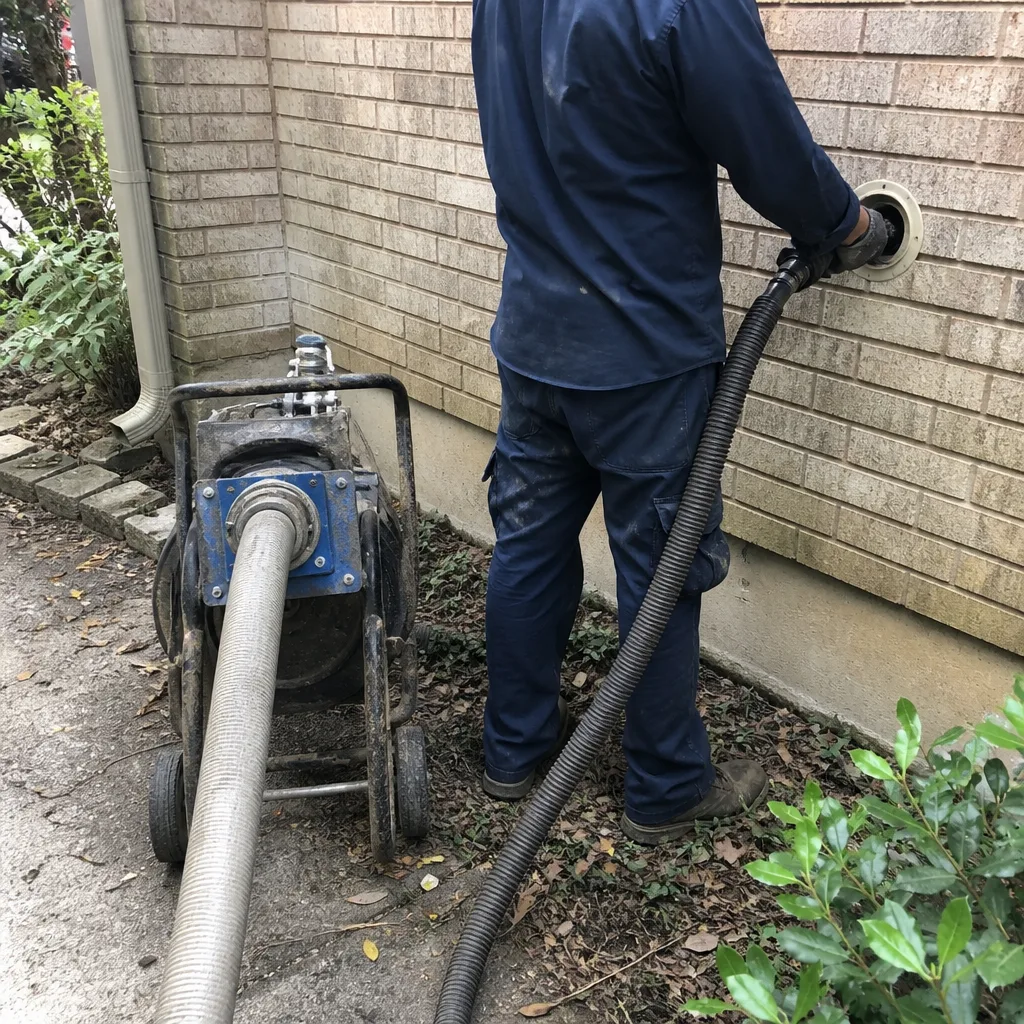 Before
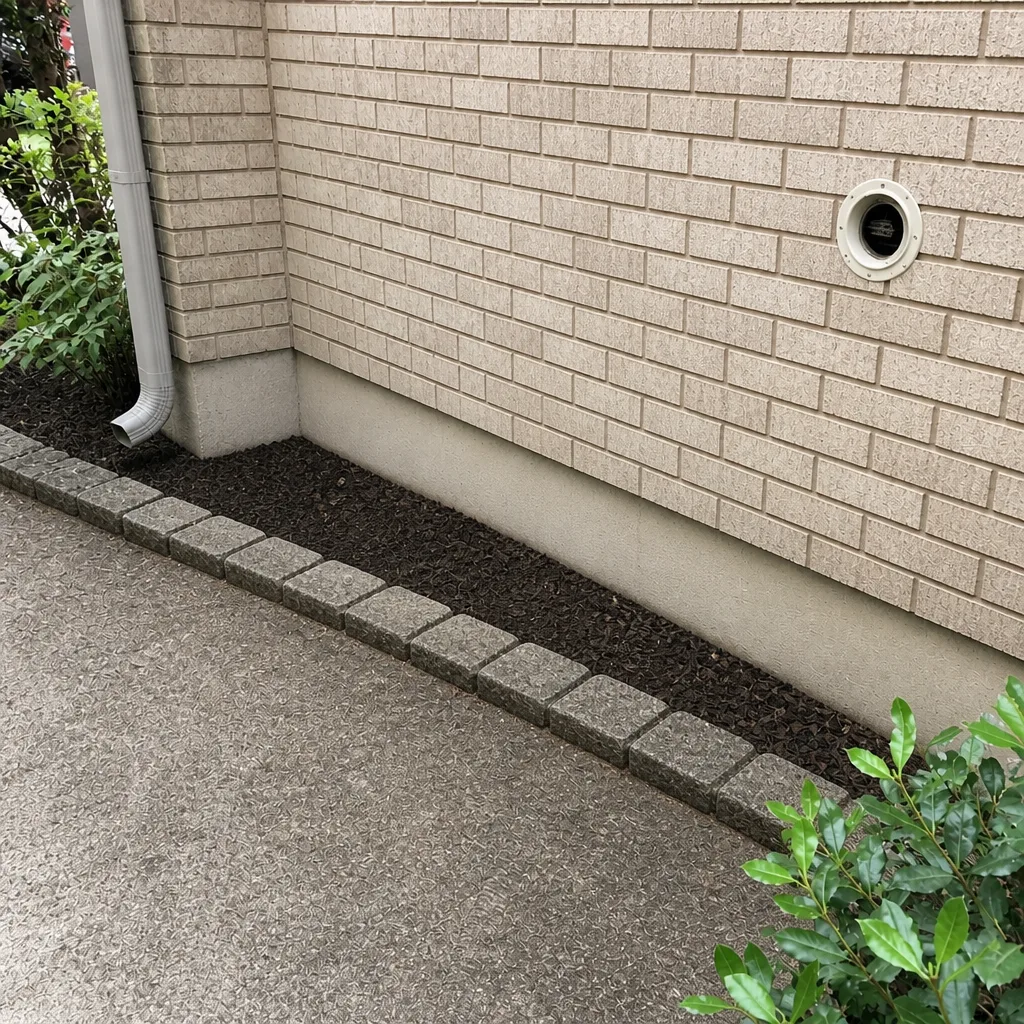 After
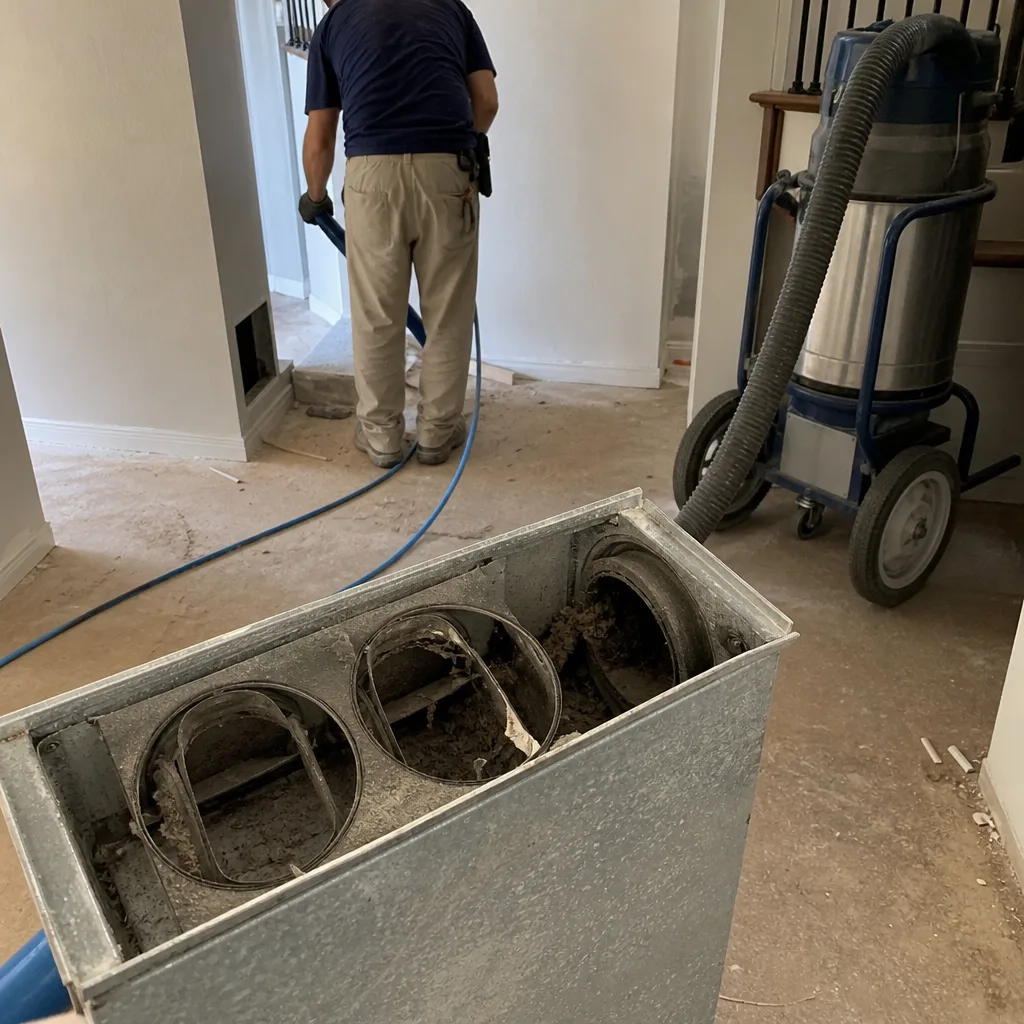 Before
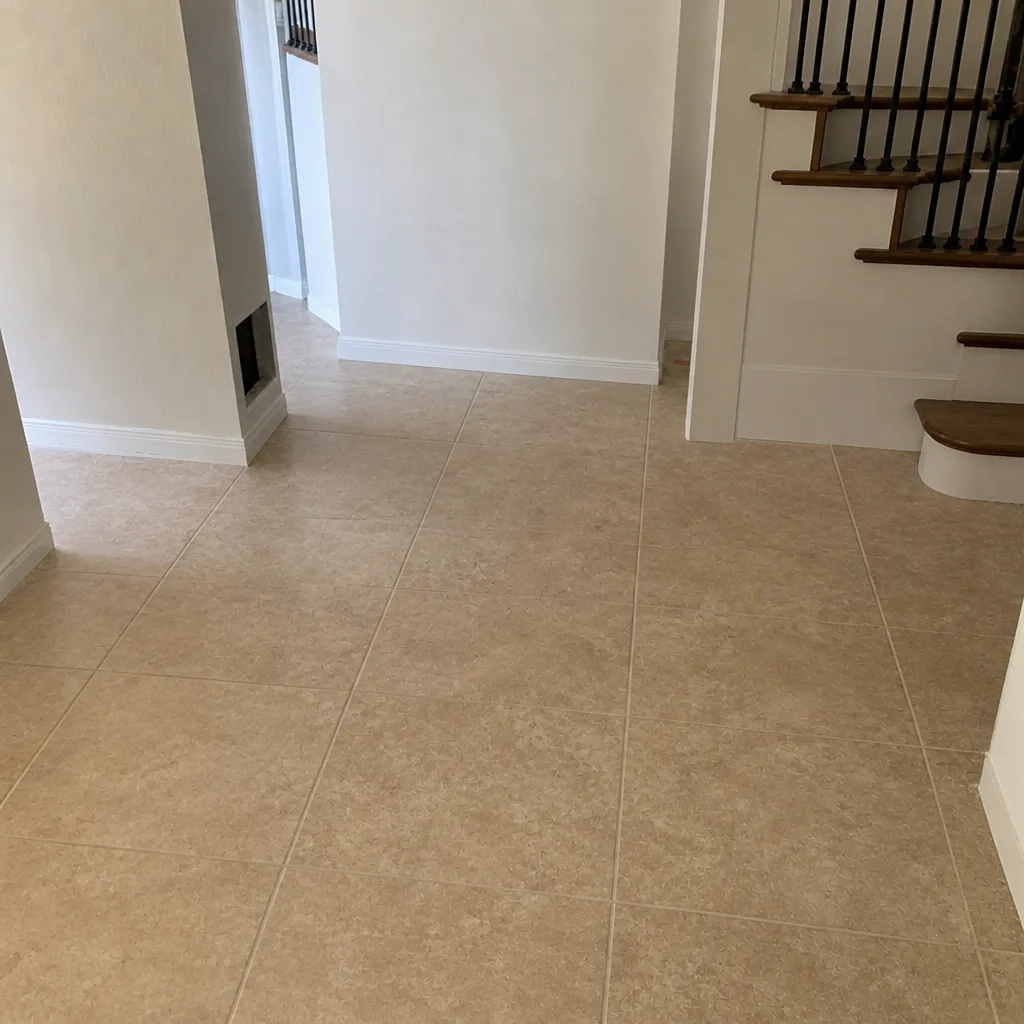 After
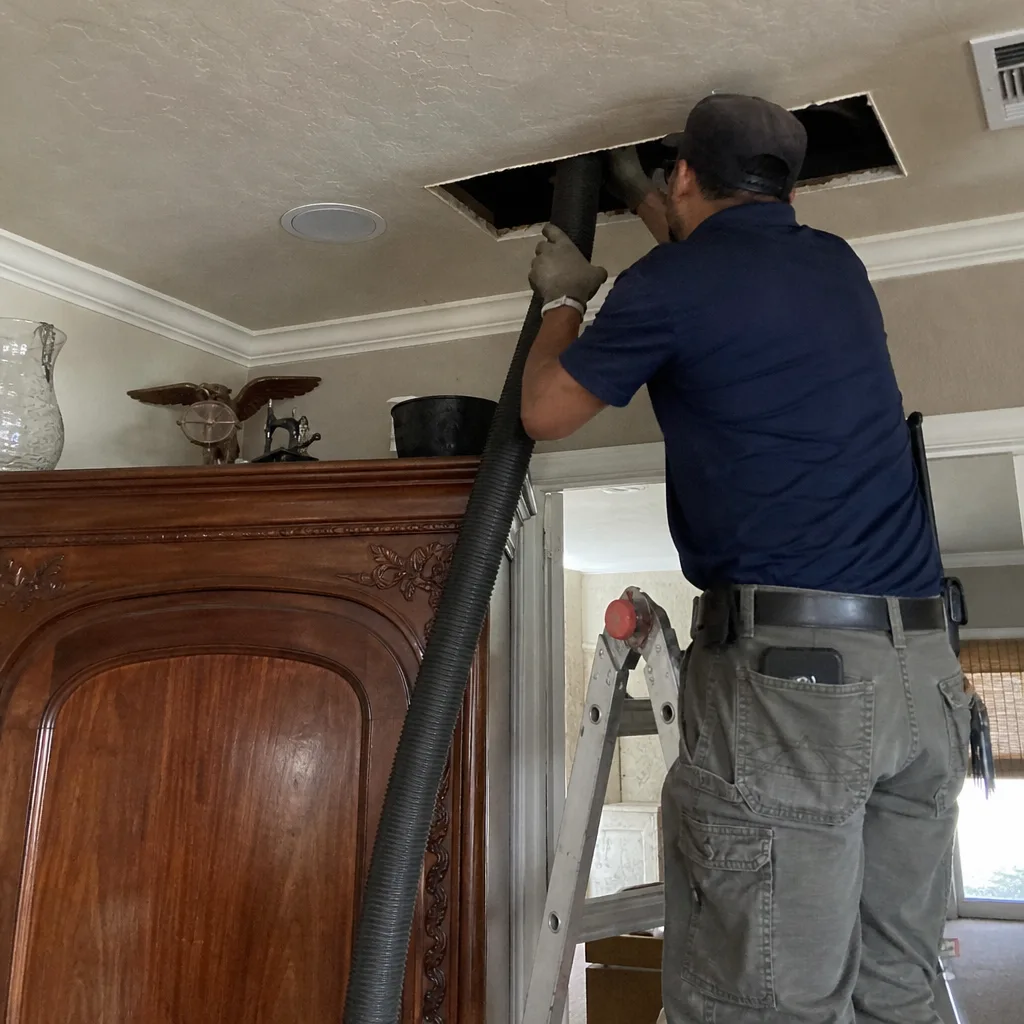 Before
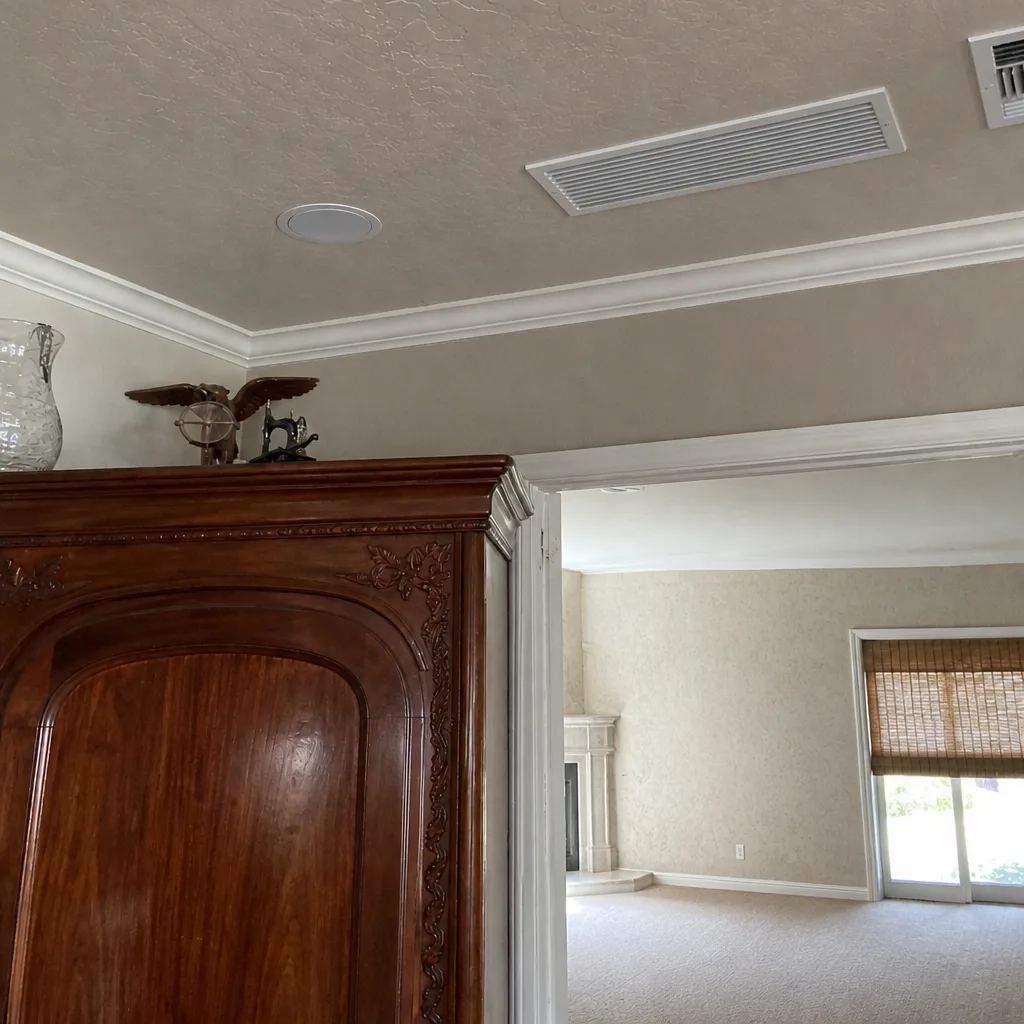 After
When to Call a Professional
Call a professional if any of these is true for your home: your ducts haven’t been cleaned in five years or more, you’ve had a renovation or major construction, you’ve noticed musty odor at the supply registers, visible dust streaks on walls or ceilings near vents, or consistently higher energy bills with no other explanation. Call if you have two or more pets and haven’t cleaned in two years, or if your filter log shows filters loading noticeably faster than before. Call if you see visible gaps or torn insulation at duct joints in the attic, since sealing belongs on the same visit as cleaning. And call if you smell gas or see visible mold around vents; those are priorities a routine cleaning schedule shouldn’t wait on.
Air Duct Cleaning Spring Branch offers free estimates in Spring Branch – call (855) 359-1727. We answer 24/7. Fast dispatch from 7am to 7pm, Sunday through Friday. We operate with professional-grade equipment from Rotobrush, Nikro, and Abatement Technologies, so a routine visit is a thorough one.
Frequently Asked Questions
Most Spring Branch homes need professional duct cleaning every 3 to 5 years, with the actual interval shorter for homes with pets, recent renovations, or flex duct in a hot attic. A two-dog household with flex duct can be due in 18 months; a pet-free home with sheet metal and a good filter can stretch to six years. Build your own interval from the variable matrix rather than accepting the average. Call (855) 359-1727 for an exact quote based on your home’s conditions.
September is the better window in Spring Branch because your air conditioning has just finished its heaviest season. Cleaning in early fall removes the year’s densest debris load instead of clearing last year’s just before summer adds more. Spring cleanings aren’t wrong, they’re just less efficient given the local cooling season. Call (855) 359-1727 to book a September cleaning.
A higher-efficiency filter (MERV 11 or better) can genuinely extend your cleaning interval by a year, provided it’s changed on time and your system can handle the airflow. Ask your technician whether your equipment supports the filter rating before upgrading; a filter your blower can’t handle can cause more problems than it solves. Call (855) 359-1727 for an air quality assessment alongside your cleaning quote.
A whole-system cleaning covers the supply and return ducts, the registers and grilles, the blower, and the evaporator coil, using negative-air equipment to pull debris out rather than spreading it into the room. If the inspection finds leaks, repair and sealing can happen on the same visit. Our technicians use Rotobrush rotary brush systems and Nikro negative-air machines, the same tools used in commercial and remediation work. Call (855) 359-1727 for a free estimate.
Yes, if the duct cleaning is coming up anyway. The dryer vent is a separate pathway with its own fire-safety concern, and bundling it with the duct cleaning spreads the fixed travel and setup cost across both jobs, so the second service usually runs cheaper. Annual vent clearing is the standard for most homes. Call (855) 359-1727 to bundle both.
A very low quote usually means a narrower scope: supply registers only, or a quick surface pass without negative air, or no coil and blower cleaning. The work that matters is the full pathway, and that takes equipment and time a low number doesn’t account for. When we quote, the price is set per job by a written estimate covering the full-system scope. Call (855) 359-1727 for a free, specific estimate.
The Bottom Line
The right cleaning schedule for your Spring Branch home isn’t a number lifted from a brochure. It’s built from your pet load, your duct material, your renovation history, your filter trends, and the local cooling season. Start at 3 to 5 years for a baseline, adjust with the variable matrix, schedule around September, keep a dated filter log with photos, and bundle the dryer vent and coil cleaning to save on total annual cost. Then fix the leaks so your next cleaning isn’t wasted. See what’s actually inside your ducts – then decide. Call (855) 359-1727 for a free estimate and a schedule built around your home, not an industry average.
Written by the team at Air Duct Cleaning Spring Branch.